
How to Turn a Hobby into a Profitable Business

Somewhere between “this is just for fun” and “this is now how I pay rent” lies the actual process to turn hobby into business — and it’s messier than Instagram makes it look.
Test Whether People Will Actually Pay
The first mistake people make is assuming that because friends and family compliment their hobby, strangers will pay for it. Compliments and cash are very different signals.
Quick answer: To successfully turn hobby into business, first sell to strangers (not friends) at a real price point, track whether demand holds beyond your immediate circle, and only then invest in tools, branding, or scaling.
Picture a woman I know in Jaipur who baked cakes as a stress-reliever after work. She started selling to coworkers at cost, just to see if people would actually pay. Within two months, strangers were ordering — that’s the real signal, not the compliments from friends.
Price It Like a Business, Not a Favor
Hobbyists massively underprice their work out of guilt. “It only took me two hours” ignores years of skill-building behind that two hours.
A simple rule: calculate your materials cost, add your hourly rate, then add a margin. Don’t discount just because it feels like “just a hobby” to you.
Separate Personal Enjoyment From Client Work
This is the part nobody warns you about. Once money’s involved, deadlines, difficult clients, and quality expectations show up too. The hobby you loved doing freely can start to feel like a job — because it is one now.
I’d genuinely push back on people who romanticize this transition completely. It’s not always fun once it’s a business. Go in with eyes open.
Build Minimal Systems Early
You don’t need fancy software. You need:
- A simple way to take orders (Google Form or WhatsApp)
- A basic pricing sheet
- A way to track who owes what
Find Your First 10 Paying Customers
Skip ads initially. Your first customers should come from:
Related resource: Mindset Habits of Successful Entrepreneurs
- Local Facebook/community groups
- Word of mouth from satisfied early buyers
- Instagram posts tagging your city or niche
Decide How Big You Actually Want This to Get
Not every hobby needs to become a huge company. Some people want a side income of Rs. 15,000-20,000/month; others want to quit their job entirely. Be honest with yourself about which one you want, because the systems you build are very different.
Reinvest Before You Scale
Once demand is consistent, reinvest profits into better materials, a simple website, or outsourcing the part of the process you enjoy least. [link to related guide on low investment business ideas here]
FAQ
How do I know if my hobby can become a real business? If strangers are willing to pay full price consistently — not just friends being polite — that’s a strong early signal.
Should I quit my job immediately to pursue my hobby business? No, run it as a side income first until it consistently covers a meaningful portion of your expenses before considering a full switch.
How do I price a hobby-based product or service? Add materials cost, your fair hourly rate, and a profit margin — avoid pricing based on guilt or what feels “modest.”
Will turning my hobby into a business ruin the enjoyment of it? For some people, yes, partially — deadlines and client demands change the experience; it’s worth considering before making the leap.
What’s the first practical step to start monetizing a hobby? Offer it to strangers at a real price, not free or heavily discounted, and see if genuine demand shows up.
Conclusion: Turning a hobby into income is entirely doable, but it isn’t automatic or always fun. Test real demand, price fairly, and stay honest about how big you want it to grow. If you’ve been sitting on a skill people compliment often, this week is a good time to quietly test the waters with strangers.
Related Posts
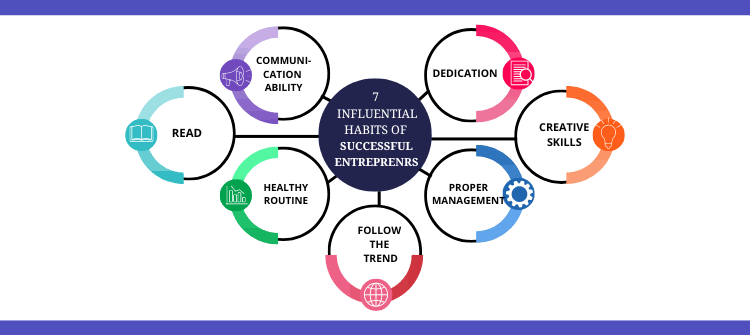
Mindset Habits of Successful Entrepreneurs
I used to roll my eyes at “mindset” content. Felt like fluff dressed up as advice. But after watching several founders up…
Open resource →