
Understanding Corporate Governance and Its Importance
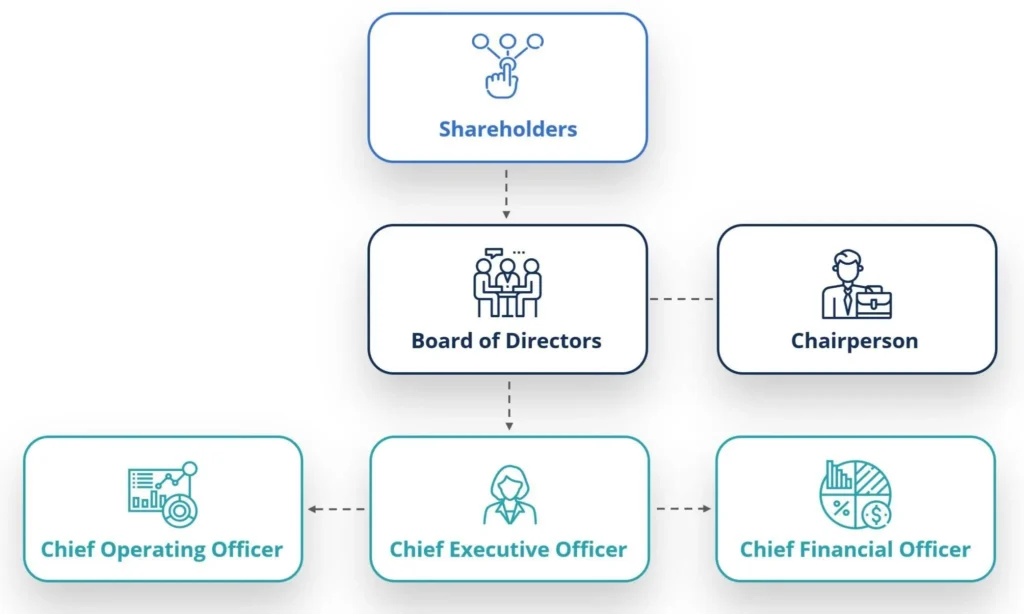
Every time I bring up corporate governance meaning in a conversation with small business owners, eyes glaze over a little. It sounds like something only huge listed companies need to worry about. That assumption is wrong, and it costs businesses more than they realize.
What Corporate Governance Actually Means
Strip away the jargon, and it’s really just this: the system of rules, practices, and processes that decide how a company is directed and controlled.
Quick answer: Corporate governance meaning, in simple terms, refers to the framework of checks, accountability, and decision-making structures that ensure a company is run fairly, transparently, and in the interest of its stakeholders — not just its founders or top executives.
Why Small Businesses Shouldn’t Ignore It
Founders often think governance is only relevant once you’re a listed company with a board and shareholders. But even a 10-person startup benefits from basic governance — clear decision rights, financial transparency between co-founders, and documented policies.
I’ve seen founder disputes get genuinely ugly simply because there was no clear governance structure around who decides what. A little structure early on saves a lot of pain later.
Core Pillars of Corporate Governance
- Accountability — leadership answers for decisions made
- Transparency — financial and operational information is accessible to relevant stakeholders
- Fairness — treating all shareholders, employees, and stakeholders equitably
- Responsibility — the board and leadership act in the company’s genuine long-term interest
Role of the Board of Directors
In larger companies, the board exists to provide oversight, not just approve whatever management proposes. A rubber-stamp board is, frankly, worse than no board at all — it creates a false sense of accountability.
Governance and Investor Confidence
Investors, especially institutional ones, look closely at governance structures before committing capital. Weak governance is a major red flag, often bigger than a shaky revenue number, because it signals unpredictable future decision-making.
Common Governance Failures
- Founders making major financial decisions without documentation
- No clear separation between personal and company finances
- Lack of regular audits or financial reviews
- Concentrated decision-making with zero checks, even at scale
[link to related guide on accounting basics here]
Related resource: Corporate Culture: How to Build a Positive Work Environment
Building Basic Governance as a Startup
You don’t need a formal board immediately. Start with:
- Clear written agreements between co-founders
- Regular financial reviews, even informal ones
- Documented decision-making processes for major spends
FAQ
Is corporate governance only relevant for large companies? No — even small businesses and startups benefit from basic governance practices like documented agreements and financial transparency.
What happens when a company has poor corporate governance? It often leads to founder disputes, financial mismanagement, loss of investor confidence, and in severe cases, legal or regulatory action.
Who is responsible for corporate governance in a company? Primarily the board of directors and senior leadership, though all stakeholders play a role in holding the company accountable.
How does corporate governance affect a company’s reputation? Strong governance builds trust with investors, employees, and customers; weak governance often surfaces publicly during a crisis and damages reputation quickly.
Do startups need a board of directors from day one? Not necessarily a formal board, but clear governance practices around decisions and finances should start early, even informally.
Conclusion: Corporate governance isn’t corporate jargon reserved for big listed companies — it’s basic structure that protects any business from internal chaos and builds external trust. If your business doesn’t have clear, documented decision-making processes yet, that’s worth fixing this month, not after your first major dispute.
Related Posts

Corporate Culture: How to Build a Positive Work Environment
Ask ten HR managers to define corporate culture examples and you’ll get ten vague answers involving words like “synergy” and “values.” Culture…
Open resource →