
Time Management Tips for Busy Managers
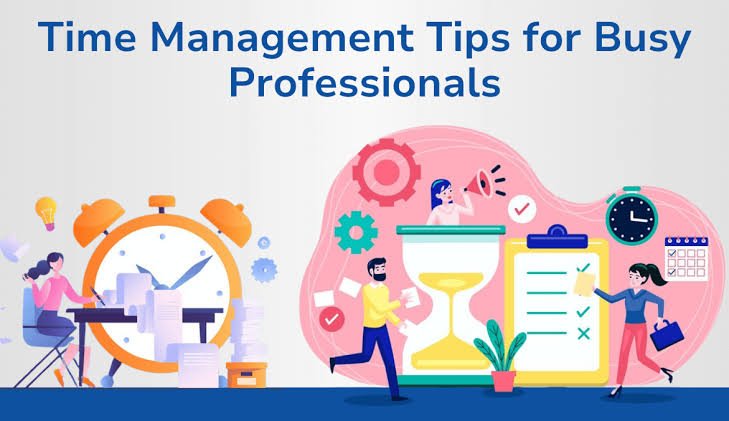
Most time management tips floating around online are written for freelancers with wide-open calendars. Managers don’t have that luxury — half your day is already decided by other people’s meetings before you even log in.
The Real Problem Isn’t Time, It’s Interruption
Managers rarely lack hours in the day. What they lack is uninterrupted blocks long enough to actually think.
Quick answer: The most effective time management tips for managers involve blocking protected focus time before meetings fill the calendar, batching similar tasks together, and delegating decisions that don’t require your specific judgment.
Block Your Calendar Before Anyone Else Does
If you wait to schedule focus time, it simply won’t exist by Wednesday. Block 90-minute chunks first thing Monday morning for the whole week, and treat them as non-negotiable as any client meeting.
I’ve noticed managers who do this consistently get noticeably less reactive by Thursday than ones who let their calendar fill organically.
Batch Similar Tasks Together
Constant context-switching between emails, calls, and reports is exhausting in a way that raw workload alone isn’t. Group similar tasks:
- Check email twice a day, not twenty times
- Do all 1:1s back-to-back on one or two days
- Review reports/approvals in one dedicated block
Delegate Decisions, Not Just Tasks
A lot of managers delegate the work but keep every decision for themselves. That’s not real delegation — it just creates a bottleneck with extra steps. Hand over decision authority for anything below a certain risk threshold.
The Two-Minute Rule for Small Requests
If a request genuinely takes under two minutes, handle it immediately instead of adding it to a growing list. If it needs more thought, schedule it properly instead of half-doing it between other tasks.
Say No to Meetings Without an Agenda
This one’s simple but rarely enforced. If there’s no clear agenda or decision needed, it probably doesn’t need your full hour. Push back — politely, but consistently.
Related resource: Project Management Basics for Beginners
- Ask for the agenda before accepting
- Suggest an async update instead, when possible
- Leave meetings early once your part is done
Protect Your Energy, Not Just Your Schedule
Doing deep strategic work at 5 PM after eight meetings rarely produces good thinking. Schedule your hardest, most important task during your natural peak energy hours — usually morning for most people. [link to related guide on entrepreneur mindset habits here]
Review Your Week Honestly Every Friday
Spend 15 minutes reviewing where your time actually went versus where you planned it to go. This gap is where most managers find their biggest, most fixable time leaks.
FAQ
How much focus time should a manager block per day? At least 90 minutes to 2 hours of protected, meeting-free time is realistic and sufficient for most managers to make real progress on priorities.
Is it okay for managers to decline meetings? Yes, especially meetings without a clear agenda or where your presence isn’t essential to the outcome — politely declining protects your time for higher-value work.
What’s the biggest time management mistake managers make? Delegating tasks but not the corresponding decision-making authority, which creates unnecessary bottlenecks back to the manager.
Should managers check email constantly throughout the day? No — batching email checks to 2-3 set times daily reduces context-switching and improves focus on deeper work.
How can managers avoid burnout while managing time efficiently? Protecting energy (not just hours) by scheduling demanding tasks during peak focus times and genuinely disconnecting after work hours.
Conclusion: Good time management for managers isn’t about cramming more into each day — it’s about protecting focus time, delegating real authority, and batching similar work together. Block your calendar for next week right now, before meeting requests fill it for you.
Related Posts
Project Management Basics for Beginners
Somebody hands you your first real project to run, and suddenly terms like “sprint,” “milestone,” and “critical path” start flying around. Let’s…
Open resource →