
Best Platforms to Sell Products Online in 2026
Picking from the best ecommerce platforms available today feels overwhelming, especially with new options popping up every year. Let’s simplify this based on what actually matters for different types of sellers.
Match the Platform to Your Business Stage
The biggest mistake I see: choosing a platform based on what’s trending rather than what your specific business actually needs right now.
Quick answer: Among the best ecommerce platforms, Shopify suits brand-focused stores wanting full control, Meesho and Amazon work well for reach without heavy upfront investment, and WooCommerce fits sellers wanting a fully customizable, self-hosted store.
Shopify — Best for Building a Brand
Shopify gives you full control over design, customer experience, and branding. It’s ideal if you’re building a long-term brand identity, not just moving products quickly.
- Monthly cost starts around $19-39
- Wide app ecosystem for added features
- Requires driving your own traffic (no built-in customer base)
Amazon and Flipkart — Best for Immediate Reach
These marketplaces come with built-in customer trust and massive existing traffic. You lose some brand control, but gain access to millions of ready buyers immediately.
Picture a small home-based spice business — listing on Amazon gave them access to customers across states they’d never have reached through their own website alone in the first year.
Meesho — Best for Low-Investment Reselling
Particularly strong for small town and reselling businesses. Low listing costs and simple onboarding make it accessible even for first-time online sellers with minimal technical knowledge.
- Very low barrier to entry
- Strong reach in tier-2 and tier-3 cities
- Lower margins compared to your own branded store
WooCommerce — Best for Full Customization
If you’re comfortable with WordPress, WooCommerce offers nearly unlimited customization at a lower ongoing cost than Shopify, though it requires more technical setup effort upfront.
Instagram and WhatsApp — Best for Very Early-Stage Sellers
Before investing in any formal platform, many small businesses successfully sell entirely through Instagram DMs and WhatsApp orders. It’s worth validating demand this way before committing to platform fees. [link to related guide on low investment business ideas here]
Related resource: How to Start an Online Store Without Inventory (Dropshipping)
Consider Fees and Payouts Carefully
Every platform takes a cut — commission fees, payment gateway charges, or subscription costs. Calculate your actual margin after these fees before assuming a platform is profitable for your specific product.
Don’t Spread Across Too Many Platforms Too Early
Managing inventory and orders across five different platforms simultaneously as a solo seller creates operational chaos. Master one or two platforms first before expanding further.
FAQ
Which ecommerce platform is best for beginners in India? Meesho and Instagram/WhatsApp-based selling are typically the easiest entry points due to low costs and minimal technical setup required.
Is Shopify worth the monthly cost for a small business? It’s worth it if you’re focused on building a distinct brand identity rather than just competing purely on price within a larger marketplace.
Can I sell on multiple ecommerce platforms simultaneously? Yes, but it requires solid inventory and order management systems to avoid overselling or fulfillment confusion, especially as a small team.
What fees should I expect on marketplace platforms like Amazon? Typically referral fees ranging from 5-20% depending on category, plus additional fulfillment and storage fees if using their logistics services.
Do I need my own website if I’m already selling on Amazon or Meesho? Not immediately, but having your own website eventually helps build direct customer relationships and reduces dependency on marketplace algorithms and fees.
Conclusion: The best ecommerce platform depends entirely on your business stage, budget, and whether brand control or reach matters more right now. Pick one platform that matches your current stage this week, and resist the urge to spread across too many at once.
Related Posts
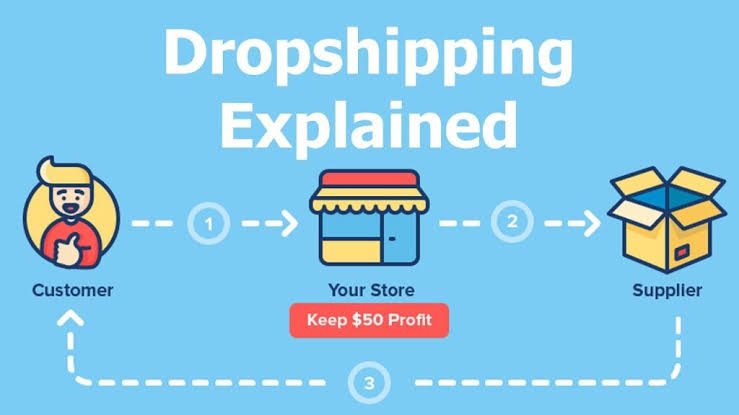
How to Start an Online Store Without Inventory (Dropshipping)
Every third YouTube ad seems to promise instant riches from dropshipping. Let’s skip the hype and cover how to start dropshipping the…
Open resource →