
Building Maximum Value: A Smarter Approach to Growing and Selling a Private Business

Running a business is often about dealing with whatever is in front of you. A customer needs attention, an employee has a problem, sales need to improve, and there’s always another decision waiting around the corner. Thinking years ahead can feel like a luxury.
But eventually, most owners face a bigger question: What is this business really worth, and what do I want to do with it?
That question matters whether you’re planning to sell, bring in a partner, transfer ownership to family, or simply build a stronger company. The businesses that create lasting value usually aren’t built through one dramatic move. They’re improved through hundreds of practical decisions made over time.
Start by Understanding What Creates Value
Business value isn’t based on revenue alone.
A company generating $5 million a year can be less attractive than one generating $3 million if its margins are weak, customers are leaving, or the owner has to personally manage every important function.
Buyers and investors tend to look at profitability, cash flow, recurring revenue, customer concentration, management depth, intellectual property, operating systems, and growth prospects.
That means owners should look beyond the monthly sales report.
Ask yourself: If I weren’t here tomorrow, could this business continue operating smoothly?
If the answer is no, there’s probably an opportunity to improve it.
Build a Business That Doesn’t Depend on One Person
Founder dependence is common, especially in smaller and privately owned companies.
The owner may approve every major purchase, handle the biggest customer relationships, negotiate with suppliers, and make every strategic decision. It works—but it can also become a ceiling on growth.
Delegating responsibility can change that.
Train managers. Document important processes. Create clear reporting systems. Make sure customer relationships belong to the company rather than only to the founder.
For owners of privately held businesses, these improvements can have benefits far beyond a future transaction. A business that operates effectively without constant owner involvement is usually less stressful to run.
And frankly, having the ability to take a two-week vacation without your phone exploding is valuable too.
An Expert Strategy Starts With Preparation
There is no universal formula for increasing the value of a business. What works for a manufacturing company may not work for a professional services firm.
That’s why an expert strategy should begin with understanding the company’s specific strengths and weaknesses.
Perhaps margins are being squeezed by unnecessary costs. Maybe customer retention needs work. Another company might have excellent products but weak sales systems.
The first step isn’t making changes just for the sake of change. It’s identifying where improvement is most likely to create meaningful results.
Once those priorities are clear, owners can focus their time and money where they’ll matter most.
Improve Financial Visibility
Good financial reporting is one of the foundations of a valuable company.
Owners should know their gross margins, operating expenses, cash flow, debt obligations, working-capital needs, and customer profitability.
Related resource: Business Registration Process Explained Step by Step
It’s surprisingly common for business owners to know that sales are “up” without knowing whether those additional sales are actually profitable.
Better reporting can change that.
Regular financial reviews can reveal which products or services generate the strongest returns, where expenses are rising, and whether growth is consuming too much cash.
Clean financial records also become extremely important if an investor or buyer eventually appears.
Recurring Revenue Can Create Stability
Predictable revenue is attractive because it gives a business greater visibility.
Subscription arrangements, maintenance contracts, recurring service agreements, and long-term customer relationships can provide more consistency than businesses that constantly have to find new customers just to maintain revenue.
Of course, recurring revenue isn’t automatically good. Contracts still need healthy margins and satisfied customers.
The goal is to build revenue that customers genuinely want to continue paying for.
That kind of stability can make planning easier and may reduce perceived risk when the company is eventually evaluated by outside parties.
Don’t Ignore Customer Concentration
A company might look highly profitable until you discover that one customer represents 40% of its revenue.
That’s a serious risk.
If that customer leaves, the impact could be immediate and painful.
Owners can work toward diversification by developing new customer segments, expanding geographically, improving marketing, or introducing additional services.
The objective isn’t to eliminate large customers. It’s to avoid becoming dangerously dependent on them.
A balanced customer base generally gives a company more resilience when market conditions change.
Strengthen the Management Team
A capable management team can make a major difference to business value.
If everything flows through the owner, growth becomes difficult. Decisions take longer, employees wait for approval, and the owner becomes the bottleneck.
Strong managers change the equation.
Give them clear responsibilities. Measure performance. Let them make decisions. Hold them accountable.
It may feel uncomfortable at first, particularly for an owner who built the company from scratch. But learning to trust capable people is often part of the transition from being an operator to becoming a business leader.
Think About Growth Carefully
Growth is attractive, but bigger isn’t always better.
A company that doubles revenue while its margins collapse hasn’t necessarily created value.
Related resource: How to Start a Business with No Money in 2026
Growth should ideally improve the overall economics of the business rather than simply increase the size of the operation.
Before expanding, consider whether the company has enough employees, working capital, systems, and management capacity to handle the additional demand.
Sometimes the smartest growth decision is improving the existing operation before chasing new markets.
Prepare for a Future Transaction Early
You don’t have to be planning a sale to prepare the business for one.
Organize contracts. Maintain accurate financial statements. Document processes. Protect intellectual property. Reduce unnecessary owner dependence. Keep important corporate records in order.
These steps make the business easier to understand for anyone who might eventually invest in or acquire it.
They also make everyday management easier.
That’s the interesting part: many improvements that increase potential sale value also make the company a better place to work and operate today.
Think About Maximum Value, Not Just a Higher Price
Owners sometimes focus entirely on getting a higher valuation.
But maximum value isn’t necessarily created by simply asking for more money.
It comes from building a business that buyers genuinely want.
A company with dependable revenue, strong margins, loyal customers, capable management, organized systems, and clear growth opportunities can command more confidence than a business that merely has impressive sales numbers.
Value is ultimately connected to quality, predictability, and future potential.
Give Yourself Options
The strongest position for a business owner is having choices.
You might sell. You might continue operating. You might bring in a partner. You might transfer the company to the next generation. You might acquire another business and grow further.
You don’t need to decide today.
What you can do today is build a company strong enough to support those possibilities.
That means improving financial performance, developing people, strengthening customer relationships, and creating systems that work consistently.
Business building isn’t always dramatic. Often, it’s a series of small improvements that don’t seem important on their own.
Then one day you look back and realize the company has become something much stronger.
And when that moment arrives—whether you’re preparing for a transaction or simply enjoying the business you’ve built—you’ll have something every owner wants: more choices and greater control over what comes next.
Related Posts
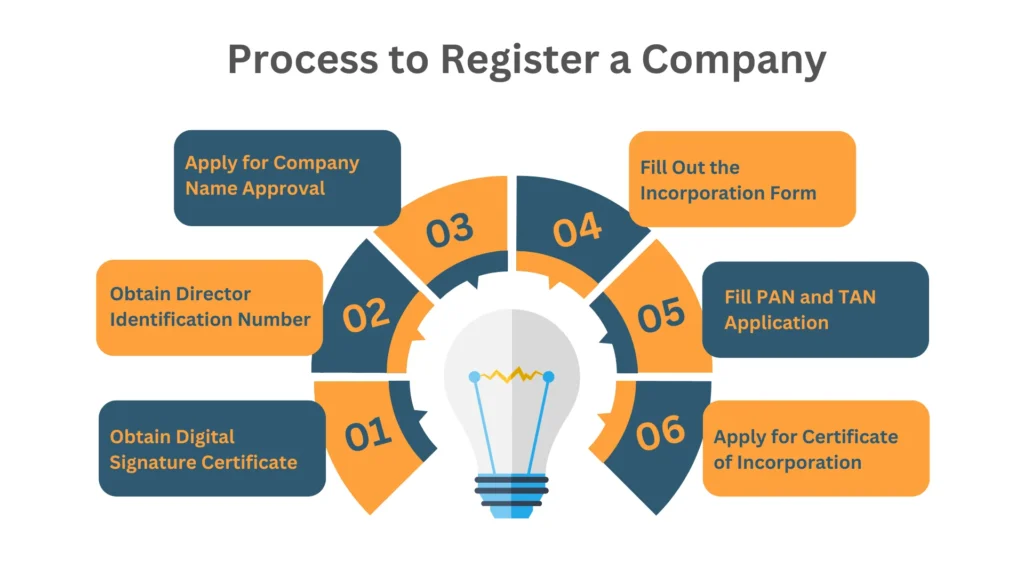
Business Registration Process Explained Step by Step
Registering a company sounds intimidating until you actually sit down and do it. I remember helping a cousin register her boutique business…
Open resource →
How to Start a Business with No Money in 2026
So you want to start a business with no money. I get asked this at least twice a month, usually by someone…
Open resource →