
Business Registration Process Explained Step by Step
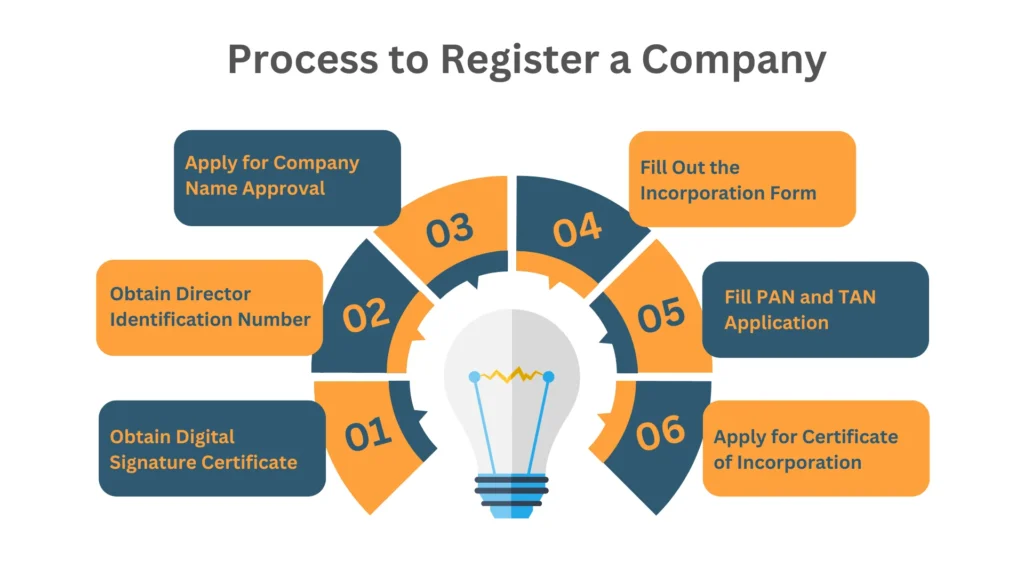
Registering a company sounds intimidating until you actually sit down and do it. I remember helping a cousin register her boutique business last year — we thought it’d take weeks. It took four days. Knowing how to register a business properly saves you that panic entirely.
Why Registration Actually Matters
Before the “how,” let’s talk “why,” because a lot of small business owners skip this step for years.
Quick answer: Registering your business gives you legal identity, access to business loans, tax benefits under GST, and protection of your brand name — none of which are available to an unregistered, informal setup.
Without registration, you can’t open a proper current account, can’t bid for most contracts, and you’re personally liable for everything. That last part is the scary bit nobody explains upfront.
Step 1: Choose the Right Business Structure
This is the decision everything else depends on:
- Sole Proprietorship — simplest, cheapest, but no separation between you and the business
- Partnership Firm — for two or more founders, moderate paperwork
- LLP (Limited Liability Partnership) — protects personal assets, good for services
- Private Limited Company — best if you’re planning to raise funding later
If you’re a solo freelancer, don’t overcomplicate this — a proprietorship is usually enough to start.
Related resource: Building Maximum Value: A Smarter Approach to Growing and Selling a Private Business
Step 2: Gather Your Documents
You’ll typically need:
- PAN card of the owner(s)
- Aadhaar card
- Address proof of the business location
- Passport-size photographs
- Rental agreement or NOC (if not owned property)
Missing even one of these is the number one reason applications get delayed.
Step 3: Apply for GST Registration
If your annual turnover crosses Rs. 20 lakhs (Rs. 10 lakhs in some states), GST registration becomes mandatory. Even below that threshold, I’d honestly recommend it — clients, especially B2B ones, often won’t work with unregistered vendors.
Step 4: Register on the MCA Portal (For Companies/LLPs)
If you’ve chosen Pvt Ltd or LLP, this happens through the Ministry of Corporate Affairs portal. You’ll need a Digital Signature Certificate (DSC) and Director Identification Number (DIN) first — this part usually takes 2-3 working days.
Step 5: Open a Current Bank Account
Once your registration certificate is in hand, open a business current account. Don’t run your business through a personal savings account — it makes accounting a nightmare and looks unprofessional to vendors. [link to related guide on basic accounting terms here]
Step 6: Apply for Local Licenses
Depending on your business type, you may also need:
- Shop and Establishment license
- FSSAI license (for food businesses)
- Trade license from local municipal body
How Long Does It Actually Take?
- Proprietorship: 1-3 days
- Partnership Firm: 7-10 days
- LLP: 10-15 days
- Private Limited Company: 10-20 days
FAQ
Related resource: How to Start a Business with No Money in 2026
Can I register a business without a physical office? Yes, a home address works fine for most registration types in India, especially for proprietorships and LLPs.
How much does business registration cost? Proprietorship can cost as little as Rs. 2,000-5,000; Private Limited Company registration typically ranges from Rs. 8,000-15,000 including professional fees.
Do freelancers need to register a business? Not strictly required, but registering (even as a proprietorship) helps with GST invoicing and building client trust.
Is GST registration mandatory for all businesses? No — only mandatory above the turnover threshold, though many businesses register voluntarily for credibility.
Can I convert my proprietorship into a Pvt Ltd company later? Yes, this is common as businesses grow and need to raise funding or bring in co-founders.
Conclusion: The business registration process isn’t the maze people imagine — it’s a handful of clear, sequential steps. Pick your structure, gather documents, register, then get your licenses sorted. Don’t let paperwork anxiety keep your business “unofficial” for another year — start the process this week.
Related Posts

Building Maximum Value: A Smarter Approach to Growing and Selling a Private Business
Running a business is often about dealing with whatever is in front of you. A customer needs attention, an employee has a…
Open resource →
How to Start a Business with No Money in 2026
So you want to start a business with no money. I get asked this at least twice a month, usually by someone…
Open resource →