
Common Reasons Startups Fail (And How to Avoid Them)
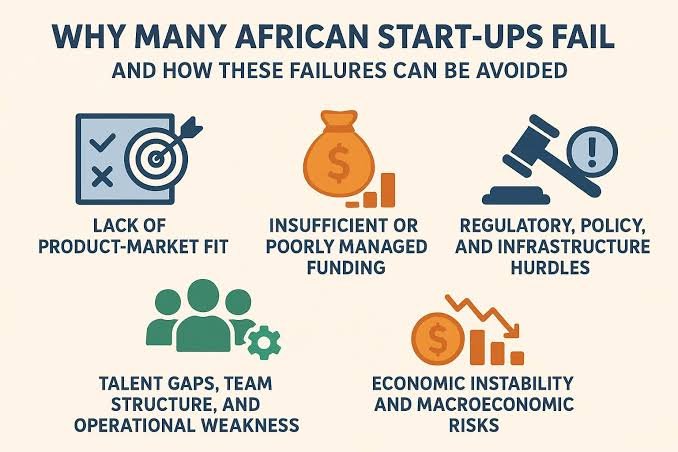
Roughly 90% of startups fail. You’ve probably heard that number thrown around. But nobody really explains why startups fail in plain language — it’s usually vague stuff like “poor execution.” Let’s actually get specific.
No One Wanted the Product
This is the big one. Founders fall in love with their own idea and skip the boring step of checking whether anyone actually wants it.
Quick answer: The most common reason startups fail is building a product nobody needs — founders assume demand instead of validating it with real customers before investing serious time and money.
I’ve seen this happen with a genuinely talented team that built a beautiful app for something people simply didn’t have a problem with. Six months of work, zero users. Painful to watch.
Running Out of Cash
Second most common reason, and often connected to the first. Founders burn cash on office space, hiring, and marketing before there’s product-market fit.
A rough rule I tell people: don’t hire beyond what your current revenue justifies, no matter how promising things “feel.”
Wrong Co-Founder Fit
This one’s underrated. A startup with a strong idea but a broken founder relationship rarely survives. Disagreements over equity, vision, or work ethic tend to surface exactly when the pressure is highest.
Ignoring Competition
Some founders genuinely believe they have “no competition.” That’s almost never true — and if it is true, it usually means there’s no market either.
Scaling Too Fast, Too Early
Growth feels good. But scaling before your operations, support, or product can actually handle volume creates chaos. Customers churn, reviews turn negative, and momentum reverses fast.
- Hiring 10 people before revenue supports 3
- Expanding to 5 cities before 1 city is profitable
- Adding features before core users are happy
Poor Marketing (or None at All)
A common founder mistake: “if the product is good, people will find it.” They won’t. Distribution is a skill, not an accident.
Related resource: Top Funding Options for Startups Without Investors
Legal and Compliance Issues
Skipping registration, ignoring GST filing, or mishandling contracts can quietly sink a startup long before the product even fails on its own merit. [link to related guide on business registration process here]
Not Listening to Customers
Founders who treat every piece of feedback as an attack instead of data tend to build in the wrong direction for months, sometimes years.
FAQ
What percentage of startups fail in India? Estimates suggest around 80-90% of startups fail within the first 5 years, similar to global averages.
Is running out of money the top reason startups fail? It’s one of the top two, usually tied closely with building something the market didn’t actually want.
Can a startup recover after early failure signs? Yes — many successful companies pivoted significantly after their first product or model didn’t work.
How important is co-founder compatibility? Extremely — many failed startups point to co-founder conflict as a root cause, even when the product itself was decent.
Should a startup focus on growth or profitability first? For most bootstrapped and early-stage startups, sustainable profitability should come before aggressive scaling.
Conclusion: Startups fail for very human, very avoidable reasons — not because failure is some mysterious force. Validate demand first, manage cash carefully, and pick co-founders as seriously as you’d pick a spouse. Before you build your next feature, go talk to five real customers instead.
Related Posts
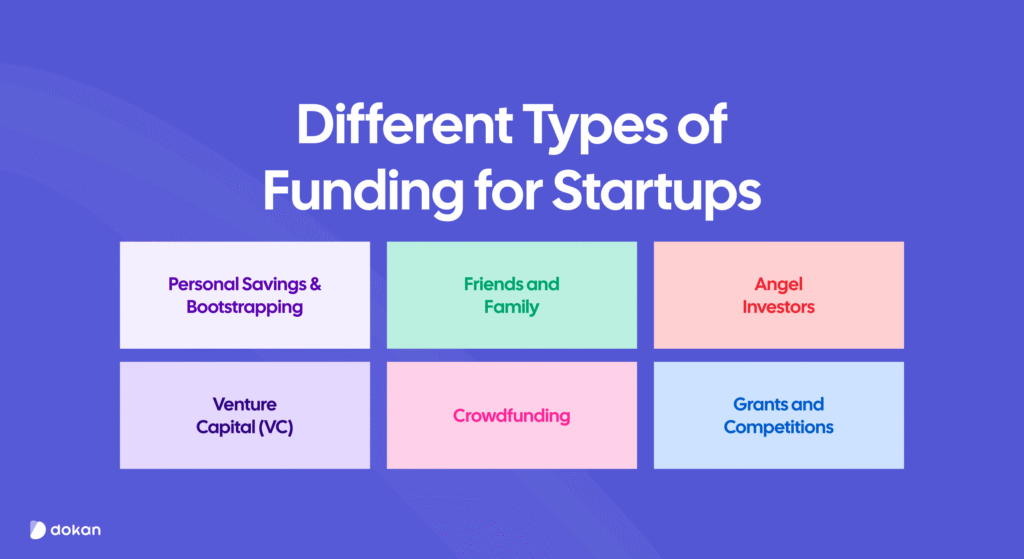
Top Funding Options for Startups Without Investors
Every second founder I meet assumes startup funding options begin and end with venture capital. They don’t. In fact, most startups in…
Open resource →