
Top Funding Options for Startups Without Investors
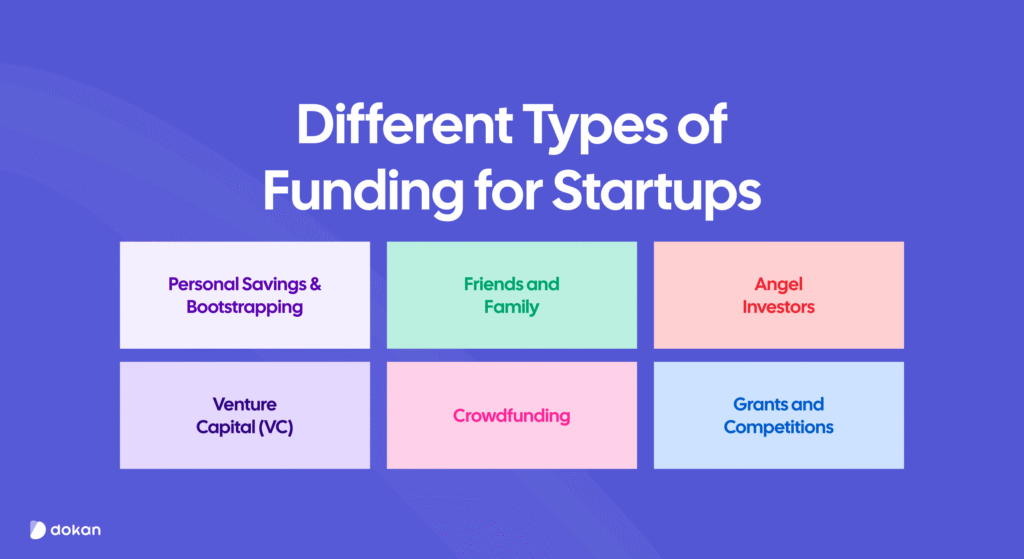
Every second founder I meet assumes startup funding options begin and end with venture capital. They don’t. In fact, most startups in India never raise a single rupee from an investor — and plenty of them do just fine.
Why “No Investors” Isn’t a Weakness
There’s this narrative that raising money validates your idea. Honestly? I think it’s overrated. Funding brings pressure, dilution, and sometimes founders who lose control of their own company. Bootstrapped businesses move slower, sure, but they keep decision-making power.
Quick answer: The main startup funding options without investors include bootstrapping from personal savings, government schemes like Mudra and Stand-Up India, bank loans against collateral, crowdfunding, and revenue-based financing.
Bootstrapping — Still the Most Common Route
This just means funding the business from your own savings, or early customer revenue. It’s slow. It’s also the reason you own 100% of your company when it becomes profitable.
Picture a two-person edtech startup in Pune I know — they ran the whole thing on savings and freelance income for 18 months before taking a single external rupee. Painful? Yes. Necessary? Also yes, in their case.
Government Schemes Worth Knowing
India actually has a decent number of programs for early-stage founders:
- Mudra Loan — up to Rs. 10 lakhs, no collateral required
- Stand-Up India — targeted at women and SC/ST entrepreneurs
- Startup India Seed Fund Scheme — for validated, early-stage startups
- SIDBI Fund of Funds — indirect funding via approved VC partners
These aren’t instant money, and there’s paperwork involved, but they’re real options that don’t require giving up equity.
Bank Loans and NBFCs
Traditional, unglamorous, but reliable if you have some collateral or a strong credit history. Interest rates vary — anywhere from 9% to 18% depending on the lender and your profile.
Crowdfunding Platforms
Platforms like Kickstarter (global) or Indian equivalents like Ketto work well for product-based startups with a compelling story. This works best when you already have some audience or social proof — cold crowdfunding rarely takes off.
Related resource: Common Reasons Startups Fail (And How to Avoid Them)
Revenue-Based Financing
This is newer in India but growing fast. Companies like GetVantage or Velocity give you capital against a percentage of future revenue, instead of equity. It suits startups with predictable monthly revenue already coming in.
Strategic Partnerships and Vendor Credit
Sometimes the “funding” you need is just breathing room. Negotiating 30-60 day payment terms with a supplier can free up working capital just as effectively as a loan, without any interest attached.
FAQ
Is bootstrapping better than raising investor money? Neither is universally “better” — bootstrapping keeps control with you but slows growth; investor money speeds growth but dilutes ownership.
Can a startup get a bank loan without collateral? Yes, schemes like Mudra Loan offer collateral-free loans up to Rs. 10 lakhs specifically for small businesses and startups.
What is the Startup India Seed Fund Scheme? It’s a government initiative providing financial assistance to early-stage startups for proof of concept, prototype development, and market entry.
How does revenue-based financing work? The lender provides capital and takes a fixed percentage of your monthly revenue until the agreed amount is repaid — no equity is given up.
Do I need a registered company to apply for government schemes? Usually yes — most schemes require at least basic business registration and sometimes DPIIT recognition under Startup India. [link to related guide on business registration here]
Conclusion: Investors are one path, not the only one. Between government schemes, bank loans, crowdfunding, and plain old bootstrapping, there are enough realistic startup funding options to get most businesses off the ground. Map out which of these fits your stage right now, and start there — not with a pitch deck.
Related Posts
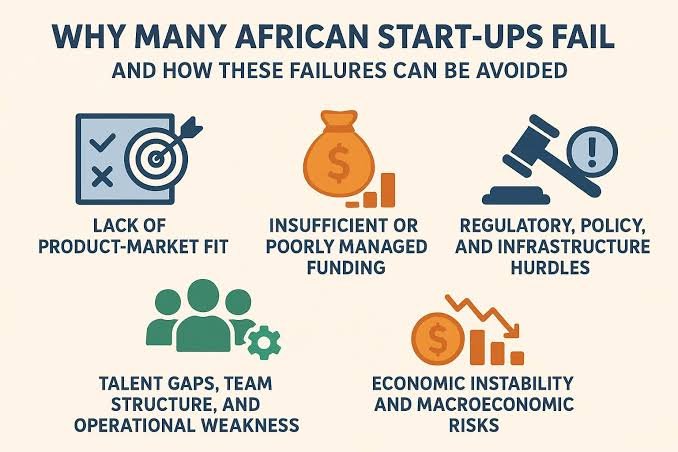
Common Reasons Startups Fail (And How to Avoid Them)
Roughly 90% of startups fail. You’ve probably heard that number thrown around. But nobody really explains why startups fail in plain language…
Open resource →