
How a Thoughtful Gutter System Can Protect Your Home From Water Problems
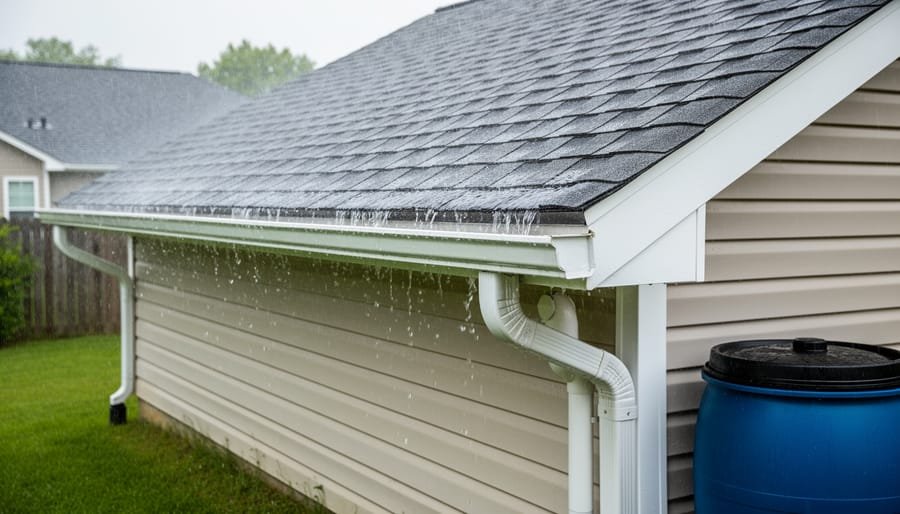
Most people don’t think much about gutters until they’re standing beneath one that’s overflowing during a downpour. Then suddenly, every detail seems important. Where is the water going? Why is it pouring over this corner? Is the foundation getting soaked?
It’s a fair question because the humble gutter has a bigger job than it gets credit for.
Rainwater coming off a roof can carry a surprising amount of force. Without a controlled path, it can wash away soil, stain exterior walls, damage landscaping, and collect around the foundation. Over months and years, repeated exposure can turn a minor drainage issue into an expensive headache.
A properly planned system doesn’t need to be complicated. It simply needs to collect water efficiently, move it safely, and discharge it somewhere appropriate.
Start With the Roof, Not Just the Gutter
A gutter system is closely connected to the roof.
The size and shape of the roof influence how much water reaches the gutters. A large roof plane can send a significant volume of runoff toward a relatively small section of gutter during heavy rain.
That means sizing matters.
So does the placement of downspouts. Long gutter runs may need careful consideration of slope and drainage points so water doesn’t sit in one area or move too slowly.
Before installing or replacing anything, look at the roof and drainage layout as a whole.
It’s a small change in perspective, but it can prevent a lot of problems.
Why Seamless Designs Are Popular
Traditional gutters are often assembled from multiple sections joined together on site.
Seamless gutters reduce the number of joints because long sections can typically be formed to the required length during installation. Fewer joints mean fewer potential places for leaks to develop.
That doesn’t mean seamless systems are completely maintenance-free.
They can still become clogged, damaged, poorly pitched, or detached. The seams at corners and around outlets still require attention.
Still, reducing unnecessary connection points can be a practical advantage, especially on longer rooflines.
The Real Purpose Is Rainwater Management
The goal of a gutter isn’t simply to keep rain off your siding.
Good rainwater management means controlling where water travels after it leaves the roof.
Ideally, runoff should move through the gutters, into downspouts, and away from vulnerable areas around the foundation.
If water repeatedly collects beside the house, you may see soil erosion, muddy areas, staining, or moisture-related issues.
In some properties, extensions, splash blocks, underground drainage, or grading improvements may be useful.
The right solution depends on the site.
A gutter alone can’t correct every drainage problem.
Don’t Ignore the Downspouts
A beautiful gutter installation can still fail if the downspouts are poorly positioned.
Think about what happens when rain leaves the downspout.
Does it land directly against the foundation? Does it create a muddy trench? Does it discharge onto a walkway?
These are signs that the water needs a better path.
Downspout extensions can sometimes solve a simple problem. In other cases, the property may need a more deliberate drainage plan.
The key is to watch what happens during rainfall.
Related resource: Creating a Home That Gets Better With Time
Water tells you a lot if you’re willing to pay attention.
Choose Materials Based on Real Conditions
Gutters are commonly made from aluminum, steel, copper, or vinyl.
Aluminum is popular for residential applications because it is lightweight and generally resistant to corrosion. Steel offers strength but may need greater attention to corrosion depending on the product and environment.
Copper has a distinctive appearance and can last a long time, but it’s typically a more expensive option.
Vinyl can work well for certain homes and budgets, although temperature changes and installation conditions should be considered.
There isn’t one perfect material.
Think about local weather, maintenance expectations, appearance, budget, and how long you expect the system to remain in service.
Gutter Guards Can Reduce Debris
If your property has several mature trees, keeping gutters clear can become a recurring chore.
Gutter guards may help reduce the amount of leaves and larger debris entering the system.
But they’re not magic.
Fine material can still collect on or beneath some guard designs, and periodic inspection remains useful.
Before adding guards, make sure the underlying gutters are properly installed and functioning.
There’s little value in protecting a system that already has drainage problems.
Maintenance Still Matters
Even well-designed gutter systems need attention.
Inspect them periodically for:
- Sagging sections
- Loose fasteners
- Cracks or holes
- Rust or corrosion
- Separated joints
- Blocked downspouts
- Water stains
- Damaged outlets
If you live beneath large trees, you may need to clean the gutters more frequently.
Homes in open areas may require less frequent cleaning, although severe storms can change that quickly.
Don’t wait for an overflow to remind you.
Look at the Fascia and Roof Edge
Gutters are attached near the roof edge, so problems with the gutter can sometimes affect or reveal issues with the fascia.
If you notice gutters pulling away from the house, inspect the surrounding area.
Soft wood, discoloration, peeling paint, or visible deterioration could indicate long-term moisture exposure.
Replacing the gutter without addressing damaged supporting material may simply postpone the problem.
A contractor should evaluate the condition of the attachment area before installing a new system.
Storms Are a Good Reason to Inspect
Strong winds and falling branches can bend or detach gutters.
Heavy rain can expose poor drainage. Hail and debris can damage the system.
After a significant storm, walk around the property and look for obvious changes.
You don’t need to climb onto the roof.
From the ground, check whether gutters appear straight and securely attached. Look for hanging downspouts, damaged sections, and unusual water stains.
Related resource: The Small Signs That Can Tell You Something About Your Water
If you see something that requires climbing or roof access, leave that part to a professional.
A drainage inspection isn’t worth risking a fall.
Pay Attention to Water Around the Foundation
One of the most important places to observe is the ground near the house.
After rainfall, look for standing water, channels carved into the soil, or areas that remain noticeably wetter than the surrounding ground.
These signs don’t automatically mean the gutters are responsible.
Grading, soil composition, downspout placement, and other drainage factors can all contribute.
Still, if water consistently collects beneath one downspout, it’s worth investigating.
Moving that water even a modest distance away from the foundation can make a meaningful difference.
Gutters Should Complement the Rest of the Exterior
A home’s exterior works as a connected system.
Roofing directs water toward the edges. Gutters collect it. Downspouts move it away. Siding and flashing help keep moisture from reaching vulnerable areas.
If one component is poorly maintained, another may end up doing more work than intended.
That’s why gutter projects sometimes make sense alongside other exterior maintenance.
If you’re replacing siding, for instance, it’s a good opportunity to examine the drainage system and the roof edge.
Not everything needs to be replaced. The point is simply to understand how the pieces interact.
Don’t Choose Solely on Price
A low quote can be tempting.
But ask what you’re actually receiving.
Are the gutters correctly sized? How many downspouts are included? Are old materials removed? Is the fascia inspected? Are corners and outlets properly sealed? Is cleanup included?
A detailed estimate gives you something useful to compare.
The cheapest option isn’t always the least expensive over time if it leads to recurring leaks or drainage problems.
Good Drainage Is Mostly About Planning
A dependable gutter system isn’t flashy.
You won’t show it off to guests. You probably won’t notice it on an ordinary sunny afternoon.
But when a heavy storm arrives, the value becomes obvious.
Water follows the path you’ve given it.
If that path is well planned, runoff moves away from the house with little fuss. If it’s poorly planned, the water finds its own route—and water has a way of exposing weaknesses eventually.
Take time to inspect your gutters, keep them clear, watch your downspouts, and address damage before it spreads.
The goal isn’t to create a perfect drainage system.
It’s to create one that quietly does its job year after year.
And when the next big rain comes, you’ll be glad you thought about where all that water was going before it had the chance to become somebody else’s problem.
Related Posts

Creating a Home That Gets Better With Time
Some things are designed to impress immediately. They catch your attention, look polished in photographs, and make a strong first impression. A…
Open resource →
The Small Signs That Can Tell You Something About Your Water
Most of us expect water to be simple. Turn the handle, fill the glass, move on with the day. It’s such a…
Open resource →