
How to Get a Business Loan for Small Business
Applying for your first loan feels intimidating, especially with confusing eligibility criteria scattered across different lender websites. This small business loan guide breaks it down into what actually matters.
Understand What Lenders Actually Look For
Before applying anywhere, understand that lenders primarily care about your ability to repay, not just your business idea’s potential.
Quick answer: Getting approved through this small business loan guide approach means having a clear business plan, reasonably clean credit history, required documentation ready, and choosing the loan type that matches your specific need — working capital versus equipment versus expansion.
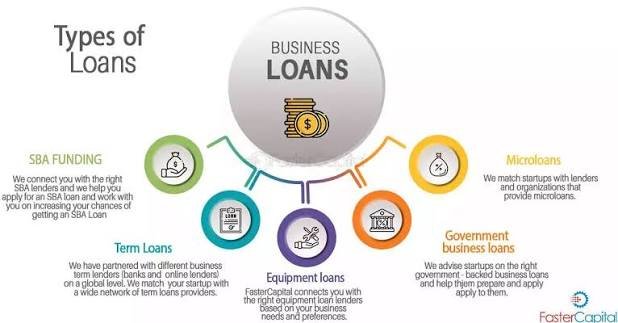
Types of Small Business Loans Available
- Mudra Loan — collateral-free, up to Rs. 10 lakhs, for micro and small businesses
- Term Loans — for specific investments like equipment or expansion
- Working Capital Loans — for day-to-day operational cash flow needs
- Business Credit Cards — for smaller, flexible ongoing expenses
Documents You’ll Typically Need
- Business registration proof
- PAN and Aadhaar of the owner(s)
- Bank statements from the last 6-12 months
- Financial statements or basic profit/loss records
- GST returns, if registered
Missing documentation is the number one reason loan applications get delayed or rejected outright.
Build Credit History Before You Need It
If you’re planning to need a loan in the next year or two, start building credit history now — even a small existing business credit card used responsibly helps significantly when you eventually apply for larger funding.
Choose Banks vs. NBFCs Carefully
Banks typically offer lower interest rates but have stricter, slower approval processes. NBFCs (Non-Banking Financial Companies) often approve faster with more flexible criteria, but at somewhat higher interest rates. Match your urgency and risk tolerance to the right option. [link to related guide on startup funding options here]
Prepare a Simple, Honest Business Plan
You don’t need a 50-page document. A clear one-pager covering your business model, current revenue, loan purpose, and repayment plan is often sufficient for smaller loan amounts.
Avoid Common Rejection Triggers
- Inconsistent bank statement patterns (large unexplained deposits/withdrawals)
- Poor personal credit score, even for business loans
- Incomplete or inconsistent documentation across applications
- Applying for an amount clearly disproportionate to current revenue
Compare Multiple Lenders Before Committing
Interest rates and terms vary significantly between lenders for similar loan products. A rate difference of even 2-3% meaningfully impacts your total repayment over the loan tenure.
Related resource: Free Tools Every Small Business Should Use
FAQ
Can a new business with no revenue history get a loan? It’s difficult but not impossible — collateral-free schemes like Mudra Loan are specifically designed with more flexible criteria for very early-stage businesses.
What credit score is needed for a small business loan? Most lenders prefer a CIBIL score of 700 or above, though some NBFCs work with slightly lower scores at higher interest rates.
How long does small business loan approval typically take? Bank loans can take 2-4 weeks; NBFCs and digital lenders sometimes approve within 3-7 days for smaller loan amounts.
Is collateral always required for a business loan? No — schemes like Mudra Loan and many NBFC products offer collateral-free options specifically for small and micro businesses.
What’s the difference between a working capital loan and a term loan? Working capital loans cover short-term operational needs like inventory or payroll; term loans fund specific, larger investments like equipment or expansion, repaid over a fixed period.
Conclusion: Following a clear small business loan process — proper documentation, the right loan type, and honest financial records — significantly improves your approval chances. Gather your last 6 months of bank statements this week and start comparing 2-3 lenders before submitting any application.
Related Posts
Free Tools Every Small Business Should Use
Every “best tools” list online seems to recommend 47 different apps, most of which you’ll never actually use. Here’s a shorter, more…
Open resource →