
Proven Sales Techniques to Close More Deals
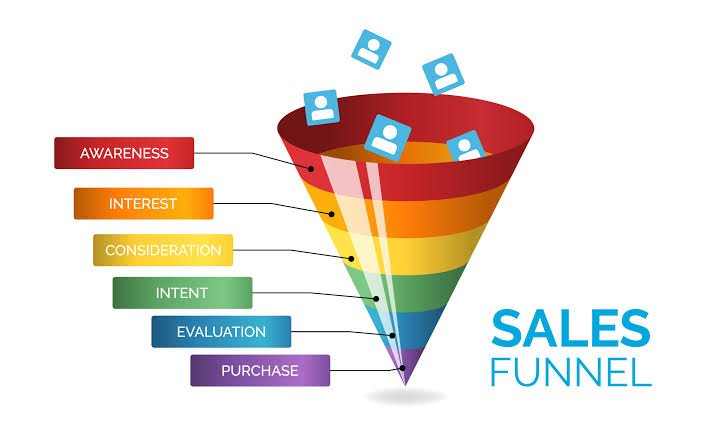
Everyone’s looking for the one magic phrase that closes deals instantly. It doesn’t exist. What does exist are consistent, unglamorous sales techniques that build enough trust for someone to actually say yes.
Stop Selling, Start Diagnosing
The biggest shift I’ve seen in genuinely effective salespeople: they spend more time asking questions than pitching features. Customers buy solutions to specific problems, not lists of capabilities.
Quick answer: The most reliable sales techniques for closing more deals involve asking diagnostic questions before pitching, addressing objections honestly instead of dismissing them, and following up with genuine value rather than just “checking in.”
Ask Better Questions Early
Instead of jumping straight into your pitch, ask:
- “What’s not working with your current solution?”
- “What happens if this problem isn’t solved in 6 months?”
- “Who else is involved in this decision?”
These answers tell you exactly what to emphasize later — and often reveal objections before they even come up.
Handle Objections Honestly, Not Defensively
When a prospect raises a concern, resist the urge to immediately counter it. Acknowledge it first. “That’s a fair concern, let me explain how we handle that” lands far better than jumping straight to rebuttal mode.
I genuinely think a lot of sales training over-focuses on objection “scripts” instead of just training reps to listen properly first.
Use Social Proof Strategically
Case studies, testimonials, and specific numbers (“helped a similar business increase revenue by 22% in 4 months”) build far more credibility than generic claims. [link to related guide on case studies here]
Create Genuine Urgency, Not Fake Urgency
“Offer ends today” gimmicks are transparent and often backfire with more sophisticated buyers. Real urgency comes from genuinely understanding the cost of the prospect’s current problem — help them see what delay actually costs them.
Follow Up With Value, Not Just Reminders
“Just checking in” emails get ignored constantly. Instead, follow up with something genuinely useful — a relevant article, a quick insight, or an answer to a question they raised earlier.
Related resource: How to Build a Winning Sales Funnel
Know When to Walk Away
Not every prospect is a good fit, and chasing a bad-fit deal wastes time that could go toward better opportunities. Experienced sales reps qualify out just as actively as they qualify in.
- Do they have budget authority?
- Is there a real, acknowledged problem?
- Is there a realistic timeline?
Close With a Clear, Specific Next Step
Vague endings like “let me know if you’re interested” rarely convert. Instead: “Should we set up a 15-minute call Thursday to finalize details?” gives a concrete, low-friction next action.
FAQ
What’s the most effective sales technique for beginners? Asking diagnostic questions before pitching — understanding the prospect’s actual problem leads to far more relevant, convincing conversations.
How do I handle price objections without discounting immediately? Reframe the conversation around value and cost of inaction first; jumping straight to a discount often signals your original price wasn’t justified.
Is cold calling still effective in 2026? It’s less dominant than before, but still works when combined with research-backed personalization rather than generic scripts.
How many follow-ups should a salesperson do before giving up? Research suggests 5-8 touchpoints across different channels before a lead is genuinely considered unresponsive.
What’s the difference between urgency and pressure in sales? Urgency highlights a genuine cost of delay; pressure manufactures artificial scarcity — the former builds trust, the latter often damages it.
Conclusion: Effective sales techniques aren’t about clever scripts — they’re about genuine questions, honest objection handling, and clear next steps. Pick your next sales call and try leading with three diagnostic questions before you pitch anything at all.
Related Posts
How to Build a Winning Sales Funnel
“Sales funnel” is one of those terms that sounds more complicated than it actually is. If you want to genuinely build a…
Open resource →