
Building a More Comfortable Home Starts With the Right HVAC Decisions
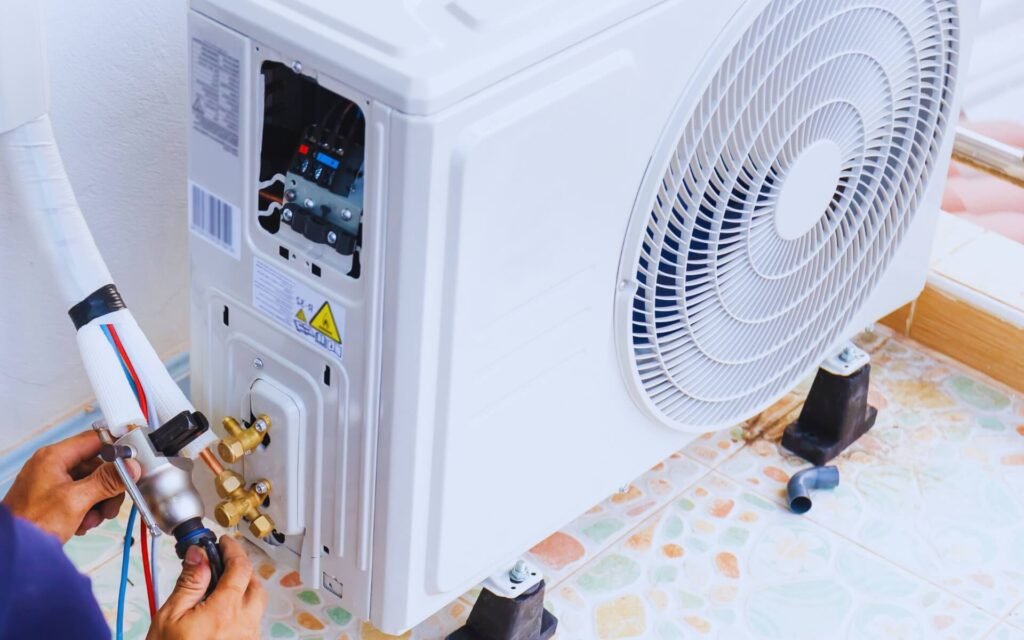
A comfortable home isn’t necessarily the one with the most expensive furniture, the newest kitchen, or the biggest television. Often, comfort comes down to something much less visible: whether the temperature feels right when you walk through the front door.
On a hot afternoon, you want cool air without having to turn the thermostat down to an unreasonable setting. On a chilly morning, you want the bedroom warm enough that getting out of bed doesn’t feel like a punishment. These things sound simple, but creating consistent indoor comfort takes more than buying an HVAC unit and plugging it in.
The condition of the equipment, the quality of installation, the design of the ductwork, insulation, airflow, and even thermostat placement can all influence how a home feels.
That’s why HVAC decisions are worth thinking about as part of the home itself, rather than treating the system as an afterthought.
Comfort Begins With the Right Equipment
Every home has different heating and cooling requirements.
A compact house with excellent insulation doesn’t need the same equipment as a large property with high ceilings, lots of windows, and significant sun exposure. Choosing a system based only on square footage can lead to poor results.
An oversized air conditioner may cool a room quickly but cycle on and off too often. An undersized system may run continuously during extreme weather and still struggle to reach the desired temperature.
Proper sizing considers the characteristics of the building, not just a number on a floor plan.
That assessment is one of the most useful things a professional HVAC contractor can provide.
Related resource: Making Tap Water More Enjoyable Without Overcomplicating It
Maintenance Doesn’t Have to Be Complicated
HVAC systems aren’t maintenance-free, even when they appear to be running perfectly.
Filters need attention. Outdoor units can collect dirt and debris. Drainage systems can become clogged. Electrical and mechanical components can wear over time.
Professional heating repair, installation, and maintenance can help homeowners address these issues throughout the life of their equipment. Regular inspections may also uncover developing problems before they turn into expensive failures.
Homeowners have a role as well. Keep vents clear, check filters as recommended by the manufacturer, and don’t ignore unusual sounds or smells.
A strange noise that disappears tomorrow isn’t necessarily a problem solved. Sometimes it’s simply a warning taking a day off.
Think About Airflow, Not Just Temperature
People often judge HVAC performance by the thermostat.
If it says 72 degrees, everything must be fine, right?
Not necessarily.
One room may still feel warm while another is comfortable. Poorly balanced ductwork, restricted airflow, leaks, insulation problems, or thermostat placement can create noticeable differences throughout the home.
Good indoor comfort solutions consider these variations rather than focusing only on the central equipment.
Related resource: Understanding Iron, Sulfur, and Sediment in Well Water
Sometimes improving airflow can make a home feel dramatically better without replacing the entire system. That’s why an experienced technician should evaluate the whole setup before recommending major changes.
New Homes Offer a Unique Opportunity
Building a new home gives you something existing properties don’t always provide: a clean slate.
HVAC planning can happen alongside architectural and construction decisions instead of being squeezed into whatever space remains available. Ductwork can be designed thoughtfully, equipment can be positioned for service access, and controls can be selected according to how the household will actually use the home.
For builders and property owners, new construction hvac services can help bring these pieces together from the early planning stages through installation and final testing.
That coordination matters. HVAC systems interact with electrical work, framing, insulation, ceilings, plumbing, and building envelopes. A decision made late in construction can create unnecessary compromises.
It’s much easier to solve those problems on paper than after the drywall is finished.
Insulation Has a Bigger Role Than You Might Think
Even the best heating and cooling system can’t overcome excessive heat gain or heat loss indefinitely.
Poor insulation allows conditioned air to escape and outdoor temperatures to influence indoor spaces. Drafty windows and doors can create similar problems.
If your HVAC system seems to run constantly, don’t automatically assume the equipment is failing. The building itself may be making the job harder than it needs to be.
Related resource: Strange Smells and Cloudy Water: What Your Well Might Be Trying to Tell You
Improving insulation, sealing gaps, and addressing duct leakage can sometimes provide noticeable comfort improvements while reducing the workload placed on the HVAC equipment.
This is another reason a whole-home assessment can be more valuable than simply replacing an aging unit.
Smart Controls Can Improve Everyday Comfort
Thermostat technology has changed considerably.
Modern programmable and smart thermostats can help homeowners create schedules based on daily routines. Instead of heating or cooling an empty house all day, the system can adjust according to when people are normally home.
Some systems can also provide information about energy consumption, temperature patterns, and equipment operation.
Technology isn’t a magic solution, though. A smart thermostat won’t fix a failing furnace or poorly designed ductwork.
Think of controls as one part of the system rather than the solution to every comfort problem.
Repairs Should Begin With Diagnosis
When something goes wrong, the temptation is to replace the part that seems most likely to be responsible.
That’s not always a good strategy.
A technician should investigate the symptoms, test relevant components, and identify the actual cause. A failed part can sometimes be the result of another problem elsewhere in the system.
Related resource: A Closer Look at the Small Details Behind Better Drinking Water
For example, repeated electrical failures may indicate an underlying issue rather than a series of unrelated bad components.
Proper diagnosis takes a little patience, but it can prevent repeated service calls and unnecessary expenses.
Efficiency Should Be Viewed Long Term
Energy efficiency isn’t simply about choosing the highest-rated equipment available.
Installation quality, system sizing, maintenance, ductwork, insulation, thermostat settings, and household habits all affect operating costs.
A slightly more expensive system that is properly sized and installed may provide better long-term value than a cheaper unit that struggles because it isn’t suited to the property.
When comparing options, think beyond the purchase price. Consider expected energy use, maintenance requirements, warranty coverage, repair costs, and how long you expect to remain in the home.
The cheapest option today isn’t always the least expensive option over ten years.
Don’t Forget About Service After Installation
Buying and installing HVAC equipment is only the beginning.
Eventually, every system needs service. Filters need changing, components wear out, and unexpected problems happen. Having access to a contractor who knows your equipment can make those situations much easier to handle.
Related resource: What Your Drinking Water Is Telling You About Its Quality
Ask potential HVAC providers what happens after installation. Do they offer maintenance plans? How are repair calls handled? Can they service the equipment they install?
A company that disappears after collecting the installation payment isn’t much help when the first serious problem arrives.
Good HVAC Work Should Fade Into the Background
The funny thing about a well-designed HVAC system is that you rarely notice it.
You don’t think about the ductwork while watching television. You don’t admire the thermostat while eating dinner. You simply feel comfortable.
That’s the real measure of good HVAC planning and service.
Whether you’re maintaining an existing system, planning a renovation, or building a new home, take time to consider the complete picture. Equipment matters, but so do sizing, airflow, insulation, controls, installation, and ongoing care.
You don’t need to know every technical detail. You just need professionals who will explain the important ones and help you make decisions that fit your home.
Because when everything is working properly, HVAC becomes almost invisible.
And honestly, that’s exactly how it should be.
Related Posts

Making Tap Water More Enjoyable Without Overcomplicating It
There’s a particular kind of disappointment that comes from filling a glass of water at home and realizing it doesn’t taste quite…
Open resource →
Understanding Iron, Sulfur, and Sediment in Well Water
There’s a funny thing about water: the more ordinary it looks, the less we tend to question it. Fill a glass, hold…
Open resource →
Strange Smells and Cloudy Water: What Your Well Might Be Trying to Tell You
The first time you notice something strange about your water, it’s usually a small moment. You turn on the kitchen faucet and…
Open resource →