
Cleaner Water at Home Starts With Choosing the Right Filtration System
Water is one of those things we rarely think about until something seems wrong. Perhaps your tap water has an unusual taste, your kettle develops a stubborn white coating, or your drinking glass looks cloudy even after a thorough wash. These small signs can make you wonder what is actually coming through your pipes. The answer isn’t always obvious, because water quality varies from one home to another. Fortunately, the right treatment approach can make everyday water use more convenient, improve taste, and help address specific water quality concerns.
The important part is knowing what you want to solve before buying equipment. A system that works well for one household may be unnecessary or unsuitable for another. Testing your water and understanding the available options can save money, prevent frustration, and help you make a more informed decision.
Start by Understanding Your Water Quality
Water may look clear and still contain dissolved minerals, chlorine, sediment, or other substances that affect its taste and usability. Municipal water is generally treated before distribution, but its characteristics can change as it travels through pipes and enters your home. Private well water can have different concerns, depending on the local geology and surrounding environment.
Related resource: Finding the Right Drinking Water Solution for Your Home or Business
If you’re noticing a strong chlorine taste, reddish stains around fixtures, or scale building up on faucets, those clues are worth investigating. They don’t necessarily identify the exact cause, though. A water test can provide a clearer picture of hardness, pH, and selected contaminants. The results help determine which treatment method makes sense instead of relying on guesswork or an advertisement promising to fix every problem.
A Practical Option for Better-Tasting Drinking Water
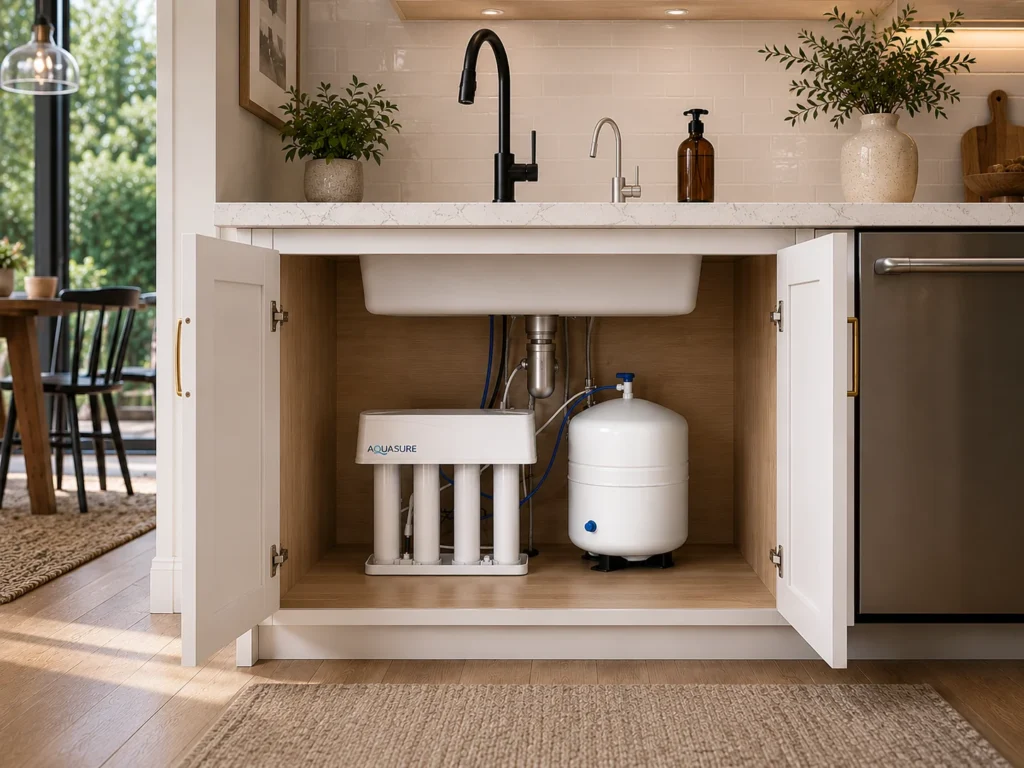
Many homeowners want to improve the water they drink and use for cooking without changing the plumbing throughout the house. Under sink water filters can be a convenient option because they fit beneath a kitchen sink and usually deliver filtered water through a dedicated faucet or a compatible existing tap.
Different models use different filtration technologies. Activated carbon filters, for example, can reduce chlorine taste and odor, while other filter designs target particular contaminants. The important detail is the system’s certified performance, not simply the number of stages printed on the packaging. Check which substances a filter is designed to reduce, whether independent certification supports those claims, and how often its cartridges need replacing.
Space is another consideration. Measure the cabinet beneath your sink before choosing a unit, especially if the area already contains a waste bin, cleaning products, or plumbing equipment. You’ll also want to consider installation requirements and whether replacement cartridges are easy to obtain. A filter is only useful over time if it can be maintained properly.
Related resource: Better Water Begins With Understanding Your Home’s Water Quality
When Hard Water Becomes an Everyday Problem
Hard water contains elevated levels of minerals, mainly calcium and magnesium. These minerals aren’t generally considered a health concern at the levels commonly found in household water, but they can create practical headaches. Soap may not lather as easily, glassware can develop spots, and scale may accumulate on showerheads, water heaters, and other appliances.
For households dealing with persistent hardness, water softening systems may offer a worthwhile solution. Traditional salt-based softeners use an ion-exchange process to replace hardness minerals with sodium or, in some systems, potassium ions. This can reduce scale formation and make cleaning feel easier. Salt-free conditioners are also available, but they work differently and should not automatically be expected to remove hardness minerals from the water.
Choosing the right equipment involves more than selecting the largest model available. Household size, water hardness, daily usage, available space, and maintenance preferences all matter. A correctly sized system can treat water effectively without unnecessary waste or expense. If sodium intake is a concern, discuss the implications of softened water with a qualified healthcare professional and consider whether a separate drinking-water arrangement is appropriate.
Related resource: Creating Better Commercial Spaces Starts With the Details Behind the Walls
Understanding Reverse Osmosis
Some homeowners want a more comprehensive treatment method for drinking and cooking water, particularly when testing identifies dissolved substances that ordinary carbon filtration may not adequately reduce. In those situations, reverse osmosis drinking water systems may be worth exploring.
Reverse osmosis pushes water through a semipermeable membrane that separates much of the water from a range of dissolved constituents. Depending on the particular system and its performance certification, it can reduce certain dissolved salts, metals, and other specified substances. Results vary by model, so it’s essential to check the product documentation rather than assume every reverse osmosis unit removes everything.
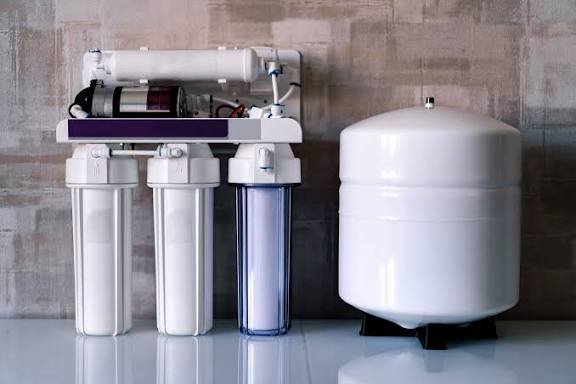
These systems commonly include prefilters, a membrane, and sometimes a postfilter to improve taste. Many under-sink models store treated water in a small tank, while tankless options are also available. Filter and membrane replacement schedules, water pressure, drainage requirements, and the amount of wastewater produced should all factor into your decision. Some systems also remove beneficial minerals, though the significance of this depends on the overall water supply and household needs.
Don’t Overlook Installation and Maintenance
Even a well-designed treatment system can disappoint if it’s installed incorrectly or neglected. Connections should be secure, leaks checked, and any flushing instructions followed before the system is used. If the installation requires plumbing changes or electrical connections, professional help may be the safer route.
Related resource: Making Tap Water More Enjoyable Without Overcomplicating It
Maintenance matters just as much. Filters become less effective when they exceed their recommended service life, and a neglected system can create new problems rather than solve existing ones. Keep a simple record of installation dates, cartridge changes, and any unusual changes in water flow or taste. It may seem like a small chore, but it helps prevent missed replacements.
Pay attention to the manufacturer’s instructions and use compatible replacement parts. If the system includes a storage tank, dispenser, or additional treatment stage, make sure those components are cleaned or serviced according to the guidance provided.
Match the System to Your Household
There is no single water treatment solution that suits every property. A drinking-water filter may be enough if your main concern is taste. A softener may be more useful when mineral scale is the recurring problem. Reverse osmosis may be appropriate when testing identifies dissolved contaminants that the selected membrane system is certified to reduce. In some homes, combining technologies makes sense; in others, it adds cost without providing much benefit.
Related resource: Understanding Iron, Sulfur, and Sediment in Well Water
Think about your daily routine, too. A family that cooks frequently and fills reusable bottles all day may value easy access to filtered drinking water. A household with hard water throughout the plumbing may focus more on protecting fixtures and reducing scale. Comparing initial costs, replacement supplies, maintenance, and water usage gives you a more realistic picture than looking at the purchase price alone.
Better Water Begins With an Informed Choice
Improving household water doesn’t have to mean buying the most complicated equipment on the market. Start with a reliable water test, identify the concerns that matter most, and compare systems based on verified performance. Ask questions about installation, ongoing costs, and servicing before making a commitment.
The best choice is the one that addresses your actual water conditions and fits comfortably into your home and budget. With a little research and regular maintenance, water treatment can become a straightforward part of looking after your home—rather than another problem you have to keep solving.
Related Posts
Finding the Right Drinking Water Solution for Your Home or Business
Good drinking water is easy to take for granted. We fill a bottle before leaving home, make a cup of tea in…
Open resource →
Better Water Begins With Understanding Your Home’s Water Quality
Most of us turn on a tap without giving it much thought. We fill a glass, rinse vegetables, start the washing machine,…
Open resource →
Creating Better Commercial Spaces Starts With the Details Behind the Walls
A commercial space has to do more than look good. It needs to support people, equipment, daily operations, and the little routines…
Open resource →