
Finding the Right Drinking Water Solution for Your Home or Business
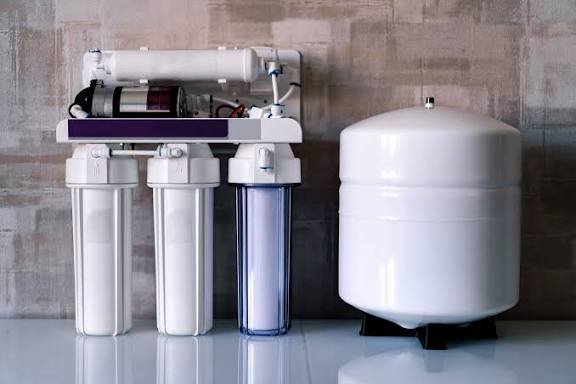
Good drinking water is easy to take for granted. We fill a bottle before leaving home, make a cup of tea in the morning, and use water throughout the day without giving it much thought. But when the taste changes, mineral deposits appear on kitchen fixtures, or questions arise about what’s in the water, finding a reliable treatment solution suddenly becomes important.
Every property has different needs. A small family may want better-tasting water at the kitchen sink, while a busy workplace might need a system capable of supplying drinking water to dozens of people throughout the day. Restaurants, laboratories, and other commercial facilities may have even more specific requirements. Choosing the right equipment means looking beyond product names and understanding water quality, daily demand, installation requirements, and long-term maintenance.
Start With the Water You Already Have
Before investing in a filtration or purification system, take a closer look at your current water supply. Does it have an unusual taste or odor? Does it leave white mineral deposits around faucets? Are you relying on a private well, municipal water, or another source?
These details can help narrow down the possible solutions, but they don’t tell the whole story. Water can look clear and still contain substances that require testing to identify. Likewise, an unpleasant taste doesn’t automatically mean the water is unsafe to drink.
A professional water test can provide useful information about hardness, dissolved solids, acidity, and specific contaminants relevant to your location. If your property uses a private well, regular testing is especially important because groundwater conditions can change over time.
Related resource: Cleaner Water at Home Starts With Choosing the Right Filtration System
Once you understand the water’s characteristics, you can select treatment equipment designed to address the actual issue. This approach is more dependable than buying a filter simply because someone else has had good results with it.
Why the Right Drinking Water System Matters
Water treatment isn’t a one-size-fits-all decision. Some households need basic taste and odor improvement, while others may require a more advanced purification process. The best option depends on the water analysis, the amount of water used, and the quality standards that need to be met.
Well-designed drinking water systems can combine different treatment technologies to address specific water quality concerns. Depending on the application, these may include sediment filtration, activated carbon, reverse osmosis, or ultraviolet disinfection. Each method has a distinct role, and not every property needs all of them.
For example, activated carbon can help reduce certain unwanted tastes and odors, while reverse osmosis can reduce many dissolved substances when the equipment is properly selected and maintained. Ultraviolet treatment may help inactivate susceptible microorganisms when microbial disinfection is required. However, UV does not remove dissolved chemicals, and ordinary carbon filtration isn’t a substitute for every type of purification.
Understanding these differences matters because a system should do more than look impressive on paper. It should address your water concerns reliably, provide enough treated water for daily use, and remain practical to maintain.
Related resource: Better Water Begins With Understanding Your Home’s Water Quality
Understanding Reverse Osmosis Technology
Reverse osmosis, often shortened to RO, is a widely used water treatment method. It pushes water through a semipermeable membrane under pressure, reducing many dissolved substances as water passes through. The exact performance depends on the membrane, operating conditions, incoming water quality, and system design.
An RO unit may be suitable for households looking to improve drinking water quality, but the technology is also used in commercial and specialized applications. In these settings, water demand can vary considerably. A small under-sink unit may be sufficient for a family, whereas a restaurant or production facility might require higher output, storage capacity, and additional pretreatment.
Before choosing a system, consider its rated production capacity and the amount of water it can deliver under real operating conditions. Water temperature, pressure, and incoming dissolved solids can affect output. Some systems also produce wastewater during the purification process, so it’s worth understanding the expected recovery rate and how reject water is handled.
Maintenance is equally important. RO membranes and prefilters have service requirements, and neglecting them can reduce performance or shorten equipment life. A system that matches your needs but isn’t maintained properly won’t deliver the results you expect.
Custom-Built RO Solutions for Different Applications
Standard equipment can work well when water conditions and demand fall within its design limits. However, some applications need a more tailored approach. A commercial kitchen may have different flow requirements from a small manufacturing unit, while a property with unusually high dissolved solids may need specific pretreatment before water reaches the RO membrane.
Related resource: Creating Better Commercial Spaces Starts With the Details Behind the Walls
This is where puromax custom built ro units may be relevant for buyers exploring equipment tailored to their operational needs. When considering a custom-built system, focus on how its design relates to your water analysis, daily consumption, peak demand, available installation space, and maintenance capabilities.
A proper design assessment should consider more than the size of the machine. Pretreatment requirements, pump capacity, membrane selection, storage arrangements, control features, and access for servicing can all influence the final result. If the incoming water contains substantial sediment or hardness, suitable pretreatment may help protect the RO equipment and maintain consistent performance.
Ask the supplier to explain the system’s expected output, operating requirements, and maintenance schedule. Request specifications that clearly identify what the equipment is designed to reduce. These details make it easier to compare proposals and determine whether the system is genuinely suitable for the intended application.
Choosing Equipment for Everyday Reliability
A water treatment system should fit comfortably into your daily routine. At home, that might mean convenient access to purified water without taking up too much cabinet space. In a workplace, it may mean dependable output during busy hours and straightforward servicing that doesn’t interrupt normal operations.
When comparing product ranges, look closely at the intended application, system capacity, construction, controls, and availability of replacement components. The champ series is one product-range term buyers may encounter when researching water treatment equipment. Before making a purchasing decision, confirm the specifications for the particular model under consideration and check whether its capabilities match your water quality requirements.
Related resource: Making Tap Water More Enjoyable Without Overcomplicating It
It’s also worth asking about installation support and after-sales service. Even a technically capable system can become inconvenient if replacement filters are difficult to obtain or the equipment is challenging to service. Reliable support can be especially valuable for businesses that depend on a consistent supply of treated water.
Don’t overlook practical details such as noise, drainage, electrical requirements, and the space needed to replace filters or access valves. These may seem minor during the buying process, but they can affect satisfaction long after installation.
Maintenance Should Never Be an Afterthought
Water treatment equipment requires routine attention. Prefilters may need replacement, membranes may require periodic assessment, and storage tanks or associated components should be inspected according to the manufacturer’s instructions. The exact schedule depends on the equipment and the quality of the incoming water.
Keep a record of installation dates, filter changes, service visits, and water test results. This makes it easier to identify patterns and avoid missing important maintenance tasks.
For commercial installations, establish clear responsibility for routine checks. Staff should know how to recognize warning indicators, report changes in water taste or flow, and contact a service provider when necessary. If the system treats water for a regulated process, follow all relevant testing and documentation requirements.
Related resource: Understanding Iron, Sulfur, and Sediment in Well Water
Make a Choice Based on Evidence, Not Guesswork
The right water treatment equipment begins with a clear understanding of what you need to achieve. Test the water, estimate daily demand, compare suitable technologies, and review the long-term cost of operation. Product names and advertised features can help you build a shortlist, but verified specifications and appropriate technical guidance should drive the final decision.
Whether you’re improving drinking water at home or planning a larger installation for a business, a well-matched system can make everyday water use more convenient and consistent. Take the time to ask questions, understand the maintenance involved, and confirm what the equipment can actually deliver.
Good water treatment isn’t simply about purchasing a machine. It’s about finding a practical solution that fits your water, your space, and your routine—and continues to do its job long after the installation is complete.
Related Posts
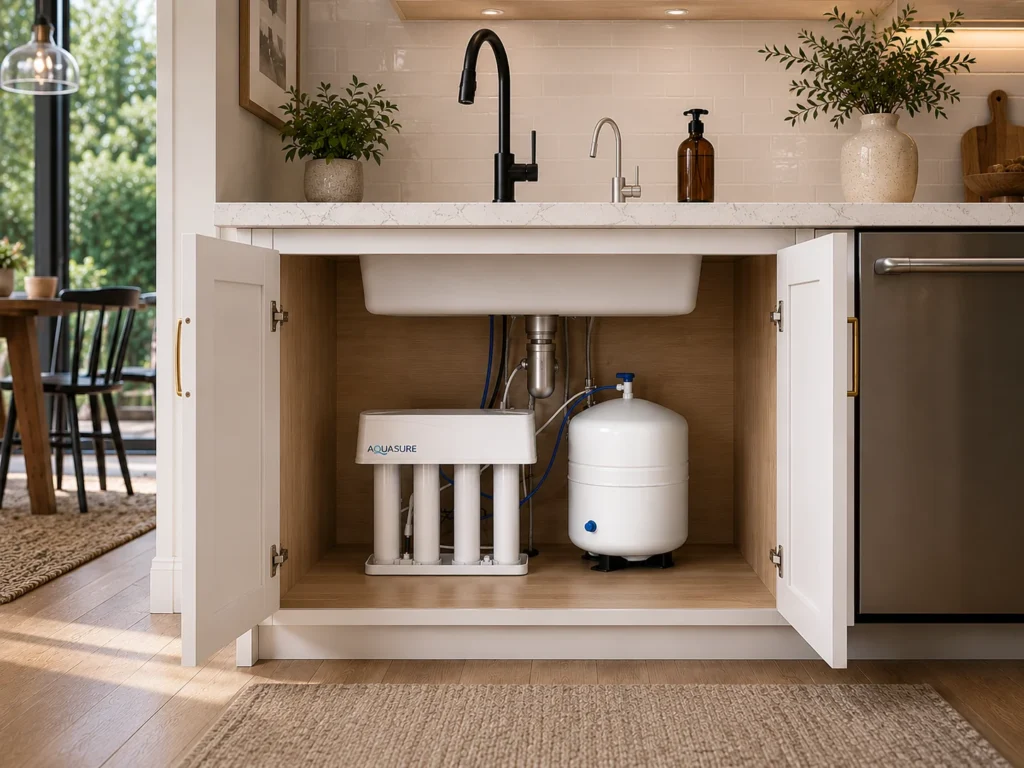
Cleaner Water at Home Starts With Choosing the Right Filtration System
Water is one of those things we rarely think about until something seems wrong. Perhaps your tap water has an unusual taste,…
Open resource →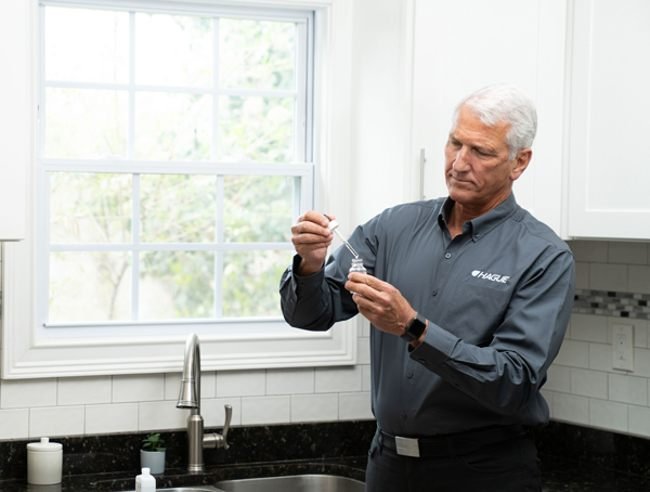
Better Water Begins With Understanding Your Home’s Water Quality
Most of us turn on a tap without giving it much thought. We fill a glass, rinse vegetables, start the washing machine,…
Open resource →
Creating Better Commercial Spaces Starts With the Details Behind the Walls
A commercial space has to do more than look good. It needs to support people, equipment, daily operations, and the little routines…
Open resource →