
Keeping a Home Water System Working Without Making It a Chore
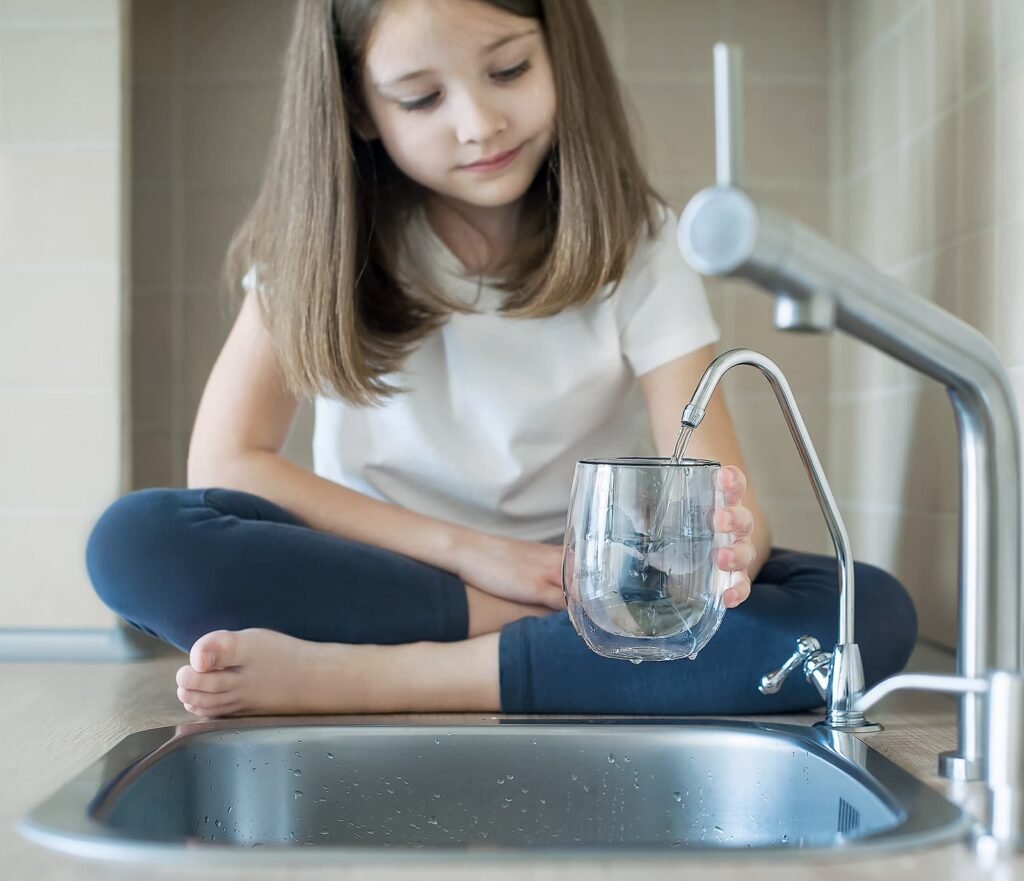
There’s a funny thing about water filtration systems: when they’re working properly, you barely notice them. The water tastes good, the faucet flows normally, and nobody thinks about what’s happening underneath the sink or in the utility room.
Then a filter gets neglected.
The flow slows down. The water tastes different. Maybe a warning light comes on, or you suddenly remember that the filter was supposed to be replaced months ago.
The good news is that maintaining a household water system doesn’t have to become another complicated job on your list. A little consistency goes a long way. The trick is understanding which parts actually need attention and when.
Maintenance Starts With Knowing Your System
Before worrying about replacement schedules, get familiar with the equipment you have.
Look at the filter housings, tanks, valves, tubing, and any labels showing model numbers or service information. If your system includes multiple stages, find out what each stage does. You don’t need to become a water-treatment engineer. You just need to know which components are consumable and which ones require occasional inspection.
Keep the manufacturer’s instructions somewhere easy to find. If paperwork has disappeared into the mysterious drawer where every household manual eventually ends up, take a few photos and store them digitally.
That small bit of organization makes simple upkeep much easier later.
Filters Don’t Last Forever
Filtration media has a limited capacity. How quickly it reaches that limit depends on water quality, household consumption, filter type, and system design.
A sediment filter may need replacement sooner in a home with a lot of suspended particles. A carbon filter can gradually become less effective as its adsorption capacity is used up.
Related resource: Making Tap Water More Enjoyable Without Overcomplicating It
Waiting until the water tastes bad isn’t the best maintenance strategy.
Instead, follow the manufacturer’s recommended replacement interval while also paying attention to real-world conditions. If your household uses significantly more water than average, filters may need attention sooner.
A calendar reminder can save you from having to remember.
Prefiltration Protects More Sensitive Equipment
Some filtration systems contain components that work better when larger particles and other problem substances are removed first.
That’s where prefiltration comes in.
A prefilter can capture sediment or address other characteristics of incoming water before it reaches more specialized treatment stages. In a reverse osmosis setup, for example, appropriate prefiltration can help reduce the burden placed on downstream components.
This isn’t merely about extending equipment life. Properly selected prefiltration can help maintain system performance and reduce the risk of premature clogging.
But don’t assume every prefilter is interchangeable. The correct type depends on the water conditions and the equipment that follows it.
Reverse Osmosis Needs Particular Attention
Reverse osmosis systems can provide substantial treatment for drinking water, but their performance depends on several components working together.
At the center of the process is the RO membrane, which separates many dissolved substances from the treated water. Before water reaches the membrane, prefilters typically help protect it from sediment and certain chemicals.
The membrane itself has a service life. Replacement timing varies according to water quality, usage, pretreatment, and system design.
Related resource: Understanding Iron, Sulfur, and Sediment in Well Water
If a reverse osmosis faucet begins producing water much more slowly than usual, don’t automatically assume the membrane has failed. A clogged prefilter, pressure issue, or other component may be responsible.
A little troubleshooting can prevent unnecessary replacement costs.
Watch for Changes in Water Pressure
Water pressure is one of the easiest ways to notice that something may need attention.
If a drinking-water faucet that normally fills a glass quickly suddenly produces only a thin stream, investigate it.
A clogged filter is a common possibility, but it isn’t the only one. Low incoming pressure, a partially closed valve, damaged tubing, or a problem elsewhere in the plumbing can produce similar symptoms.
For whole-home systems, pressure changes can be even more noticeable because multiple fixtures rely on the treatment equipment.
Don’t ignore a gradual decline. Small changes often give you a chance to fix an issue before it becomes inconvenient.
Keep an Eye on Leaks
A quick visual inspection can prevent a surprisingly unpleasant morning.
Look around filter housings, connections, valves, tanks, and tubing for moisture. Even a tiny drip deserves attention.
If your system uses replaceable filter cartridges, make sure housings are properly seated after servicing. O-rings should be inspected when appropriate, and manufacturer instructions should be followed when lubricating or replacing them.
Related resource: Strange Smells and Cloudy Water: What Your Well Might Be Trying to Tell You
Never force a connection simply because it doesn’t seem to fit. Water treatment equipment can contain components that need to be assembled in a particular order.
If you’re unsure, getting professional help is usually better than turning a small leak into a flooded cabinet.
Sanitation Matters Too
Filtration equipment handles water, which means cleanliness matters.
Some systems require periodic sanitation, particularly when filters or other components are replaced. Follow the manufacturer’s instructions rather than improvising with household chemicals.
The procedure can vary considerably between systems.
Pay attention to the storage tank, faucet, tubing, and filter housings as well. Keeping the area around the equipment clean can make inspections easier and help you spot leaks or other problems early.
Again, the goal isn’t to make maintenance complicated. It’s to do the necessary tasks properly.
Keep Track of What You Replace
A maintenance log doesn’t need to be fancy.
Write down the date of each filter change and note which cartridge or component was installed. If a technician services the system, record the visit and any recommendations.
This becomes surprisingly useful later.
If water quality changes, you’ll know when the filters were last replaced. If pressure drops, you’ll know whether recent maintenance might be relevant. If you’re troubleshooting an RO system, knowing the age of the membrane can help narrow down possibilities.
Related resource: A Closer Look at the Small Details Behind Better Drinking Water
A simple note on your phone is enough.
Water Quality Changes Can Be a Warning
Sometimes the equipment isn’t the problem.
If your water suddenly develops an unusual odor, taste, color, or appearance, consider whether the incoming supply has changed.
Municipal water can experience temporary changes due to maintenance or disturbances. Private well water can also change with groundwater conditions, rainfall, well issues, or other factors.
Replacing a filter may help if the filter is exhausted, but it won’t necessarily address a change at the source.
When something seems noticeably different, investigate before assuming.
Don’t Ignore Manufacturer Recommendations
Online advice can be useful, but your specific system’s instructions should come first.
Manufacturers know how their equipment is designed to operate and what maintenance it requires. Replacement intervals, sanitation procedures, pressure requirements, and component specifications can differ significantly between models.
Using the wrong replacement filter or skipping an important maintenance step can affect performance.
When in doubt, check the documentation or consult a qualified professional.
Related resource: What Your Drinking Water Is Telling You About Its Quality
Know When to Call for Help
There are plenty of maintenance tasks homeowners can handle themselves. Replacing a cartridge is often straightforward. Checking for leaks is simple. Keeping a maintenance record takes almost no effort.
But some situations call for professional attention.
Persistent leaks, unusual pressure problems, electrical components, complicated plumbing changes, or water-quality concerns that don’t have an obvious explanation are good reasons to get help.
The goal of DIY maintenance is to stay informed and prevent small issues—not to turn every water problem into an experiment.
Good Maintenance Is Mostly Consistency
A household water system doesn’t need constant attention. It needs the right attention at the right time.
Replace filters before they’re completely exhausted. Keep prefilters in good condition. Monitor flow and pressure. Inspect connections. Follow sanitation instructions. Keep track of service dates.
That’s really it.
When maintenance becomes part of your normal household routine, the system tends to stay quietly reliable. You won’t need to wonder whether the water is flowing properly or whether the filter was changed three years ago.
And that’s the best outcome.
A good water treatment system should make everyday life easier, not give you another appliance to worry about. A few minutes of sensible care now and then can keep the water flowing, the equipment protected, and the whole setup doing exactly what you bought it to do.
Related Posts
Making Tap Water More Enjoyable Without Overcomplicating It
There’s a particular kind of disappointment that comes from filling a glass of water at home and realizing it doesn’t taste quite…
Open resource →
Understanding Iron, Sulfur, and Sediment in Well Water
There’s a funny thing about water: the more ordinary it looks, the less we tend to question it. Fill a glass, hold…
Open resource →
Strange Smells and Cloudy Water: What Your Well Might Be Trying to Tell You
The first time you notice something strange about your water, it’s usually a small moment. You turn on the kitchen faucet and…
Open resource →