
A Practical Guide to Better Drinking Water and Ice in Busy Commercial Spaces
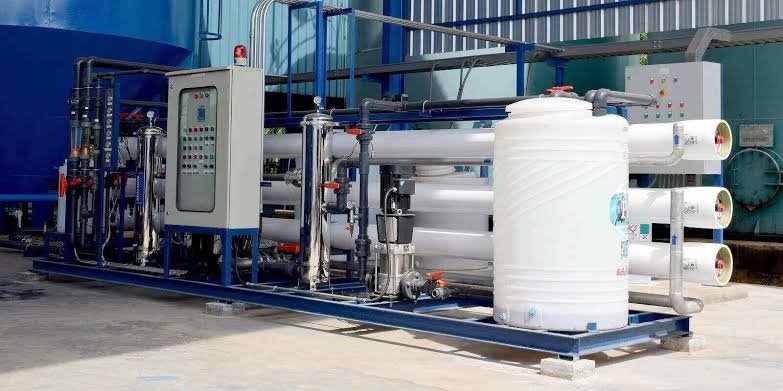
Water is one of those things a business can use hundreds of times a day without anyone really thinking about it. Employees fill bottles. Customers ask for ice. Coffee machines pull water through their lines. Dishwashers run, sinks stay busy, and somewhere in the background, plumbing is doing its job.
Until it isn’t.
A strange taste in drinking water, cloudy ice, mineral buildup, or a dispenser that suddenly needs more attention can turn an ordinary utility into a daily annoyance. In food service and hospitality, those problems can go a step further. Water quality can influence the taste of beverages, the appearance of ice, equipment performance, and the experience customers have inside the business.
The good news is that better water management doesn’t have to mean making things complicated. It starts with understanding where water is used and choosing treatment that actually fits those applications.
Drinking Water Should Be Easy to Access
A workplace shouldn’t make people think twice about getting a glass of water.
For offices, schools, gyms, hotels, healthcare facilities, and other busy environments, convenient drinking stations can encourage people to refill reusable bottles instead of relying on disposable ones. That saves storage space, cuts down on delivery hassles, and creates a more practical everyday experience.
This is where bottle-free coolers can be useful. Connected directly to the building’s water supply, these systems can provide treated, chilled drinking water without requiring businesses to constantly stock cases of bottled water.
There is something pleasantly simple about that arrangement. No empty bottles piled beside the recycling bin. No last-minute order because the supply ran out. Just water available when people need it.
Start by Understanding the Water
Before choosing any treatment equipment, it’s worth finding out what’s actually in the water.
Related resource: Making Tap Water More Enjoyable Without Overcomplicating It
Commercial water supplies can vary. Hardness minerals, chlorine, sediment, iron, dissolved solids, and other characteristics may affect taste, odor, appearance, or equipment performance.
Testing can identify which conditions are present and help determine the appropriate treatment approach.
This matters because no single filtration method handles every water-quality concern. A sediment filter isn’t designed to solve every chemical issue, and a softener isn’t a universal solution for taste or odor.
The more clearly you understand the problem, the easier it becomes to choose equipment without overspending on technology you don’t need.
Ice Deserves More Attention Than It Gets
In restaurants, hotels, cafés, convenience stores, and healthcare environments, ice isn’t just frozen water sitting in a machine. Customers consume it directly, often without giving it a second thought.
Water containing excessive sediment, chlorine, or certain minerals can affect ice taste and appearance. Mineral deposits can also accumulate inside equipment and contribute to maintenance problems.
That’s why commercial ice machine filtration deserves to be considered separately from general building filtration. The filter needs to be appropriate for the machine’s flow requirements and the characteristics of the incoming water.
A good filtration setup can help provide cleaner-tasting ice while supporting equipment performance. It doesn’t replace regular cleaning and sanitation, of course. Ice machines still need proper maintenance, because filtration and hygiene are two different parts of the equation.
Water Quality Can Influence the Customer Experience
Customers may never see a filtration system, but they can notice its results.
A glass of water with an unpleasant taste can leave a poor impression. So can cloudy ice floating in a drink. In a café, water can influence coffee and tea. In a restaurant, it can affect everything from beverages to cooking.
Related resource: Understanding Iron, Sulfur, and Sediment in Well Water
For businesses serving food and drinks, consistent water quality isn’t simply a maintenance goal. It can become part of delivering a reliable product.
Imagine ordering the same coffee twice in one week and noticing that it tastes completely different. You might blame the beans, the barista, or the machine. Water could be part of the story.
Consistency matters, especially when customers expect the same experience every time they visit.
Match Filtration to the Application
Different parts of a commercial facility may need different treatment.
A drinking-water station might benefit from carbon filtration designed to improve taste and reduce chlorine. An ice machine may require a dedicated filter with appropriate sediment and scale control. A kitchen may need additional treatment depending on local water conditions and equipment requirements.
This doesn’t mean every business needs a complicated collection of systems.
In fact, over-treating water can be unnecessary and expensive. The better approach is to identify the most important applications and select equipment based on actual needs.
Sometimes one properly selected system is enough. In other facilities, a combination of treatment methods provides better results.
Don’t Forget About Flow Rate
A filter can only do its job if it’s sized correctly.
Related resource: Strange Smells and Cloudy Water: What Your Well Might Be Trying to Tell You
Commercial facilities often have periods of heavy water use. A restaurant might experience a surge during lunch service. A hotel can see high demand in the morning. A gym may be busiest before and after working hours.
Treatment equipment needs to handle those demands without creating excessive pressure loss or slowing down water delivery.
When choosing filtration, look beyond the maximum gallon rating on a brochure. Consider the actual flow requirements of the equipment being served, peak demand, inlet pressure, and expected daily use.
A little planning here can prevent a lot of frustration later.
Maintenance Keeps Everything Running
Water filtration systems need routine care.
Filters eventually become loaded with the substances they were designed to reduce. If they’re left in service too long, performance may decline. Depending on the system, other components may also need inspection, cleaning, replacement, or sanitation.
Commercial operators should have a maintenance schedule rather than relying on memory.
Keep track of filter installation dates. Note when replacements are due. Follow manufacturer recommendations, and investigate unusual changes in taste, odor, pressure, or ice appearance.
Maintenance may not be exciting, but neither is discovering that a neglected filter has affected a busy kitchen on a Friday afternoon.
Think About Equipment Protection
Good water treatment can do more than improve drinking water.
Related resource: A Closer Look at the Small Details Behind Better Drinking Water
Sediment and mineral buildup can affect water-using equipment over time. Coffee machines, ice makers, dishwashers, beverage systems, and other appliances may all benefit from water that is appropriately treated for their requirements.
This is particularly relevant for equipment that heats water or contains narrow internal passages. Deposits can interfere with heat transfer and water flow, potentially increasing maintenance needs.
The goal isn’t necessarily to eliminate every mineral from the water. It’s to control the characteristics that create problems for the equipment and the application.
Installation Matters, Too
Commercial filtration equipment needs to fit the facility.
Available space, plumbing connections, drainage, electrical requirements, accessibility, and equipment location should all be considered before installation.
A filter that’s technically excellent but impossible to access easily isn’t a great choice. Someone eventually has to replace the cartridge, inspect the connections, or service the system.
Professional installation can help make sure the equipment is correctly sized, connected, and positioned for future maintenance.
Look at the Long-Term Cost
Initial purchase price is only part of the expense.
Businesses should consider replacement filters, service, consumables, water usage, installation, and expected equipment life. A system that costs less upfront may require frequent replacements and become more expensive over time.
Related resource: What Your Drinking Water Is Telling You About Its Quality
There’s also the cost of inconsistency.
If poor water quality contributes to equipment problems, extra cleaning, beverage complaints, or unexpected repairs, those expenses can add up quietly.
A reliable treatment system should be viewed as part of the facility’s operating infrastructure, not just another piece of equipment.
Make Water Treatment Part of the Bigger Plan
Good commercial water treatment is rarely about chasing the most sophisticated technology.
It’s about understanding the water, identifying where treatment matters most, and selecting equipment that fits the job. Drinking stations, ice machines, kitchens, and beverage equipment may each have slightly different requirements.
Start with testing. Think about peak usage. Match filtration to the application. Keep up with maintenance and don’t overlook installation quality.
The best system is often the one nobody notices.
Employees get cold, refreshing water. Customers enjoy clean-tasting drinks and clear ice. Equipment performs reliably. Staff spend less time dealing with preventable problems.
Water keeps doing what it should do—quietly, consistently, and without becoming another thing on the manager’s list of fires to put out.
Related Posts
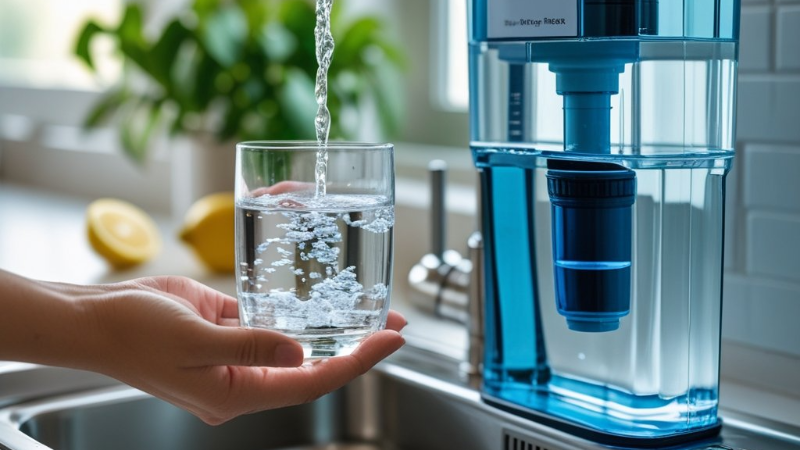
Making Tap Water More Enjoyable Without Overcomplicating It
There’s a particular kind of disappointment that comes from filling a glass of water at home and realizing it doesn’t taste quite…
Open resource →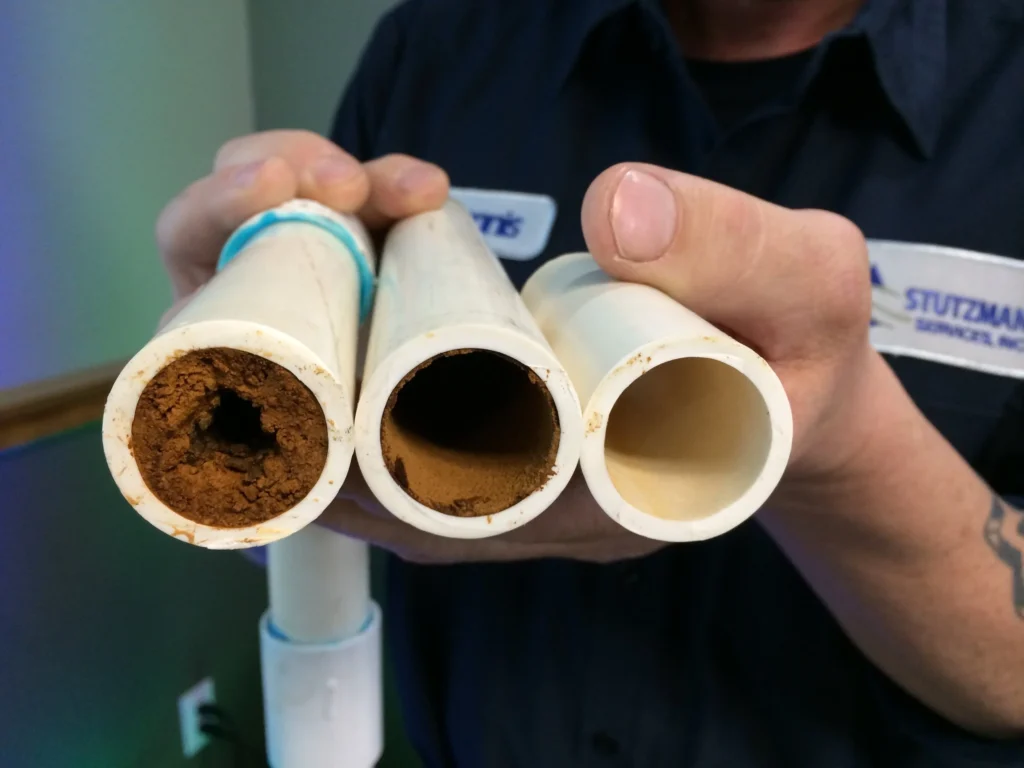
Understanding Iron, Sulfur, and Sediment in Well Water
There’s a funny thing about water: the more ordinary it looks, the less we tend to question it. Fill a glass, hold…
Open resource →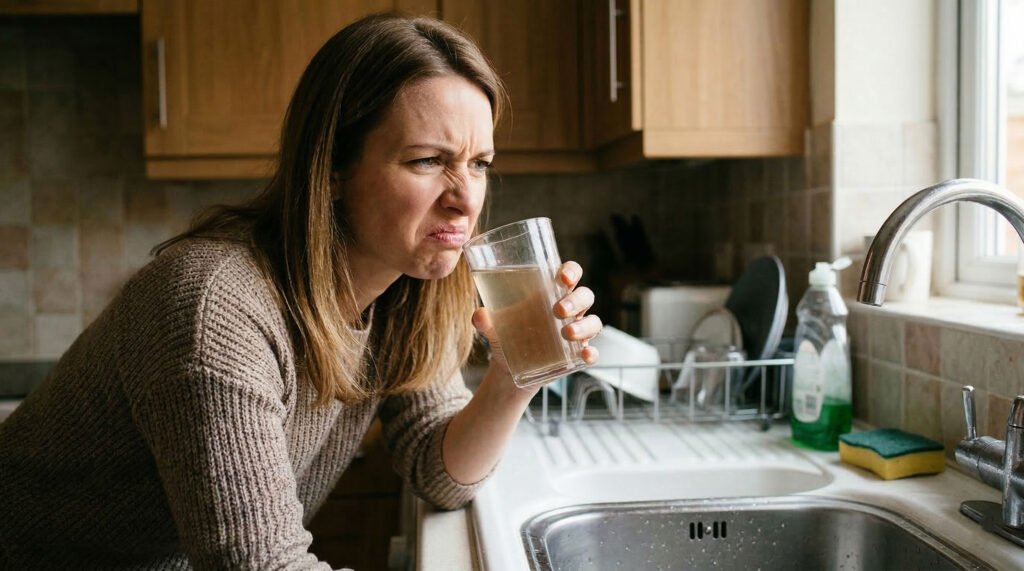
Strange Smells and Cloudy Water: What Your Well Might Be Trying to Tell You
The first time you notice something strange about your water, it’s usually a small moment. You turn on the kitchen faucet and…
Open resource →