
What Your Water Taste May Be Telling You About Its Quality
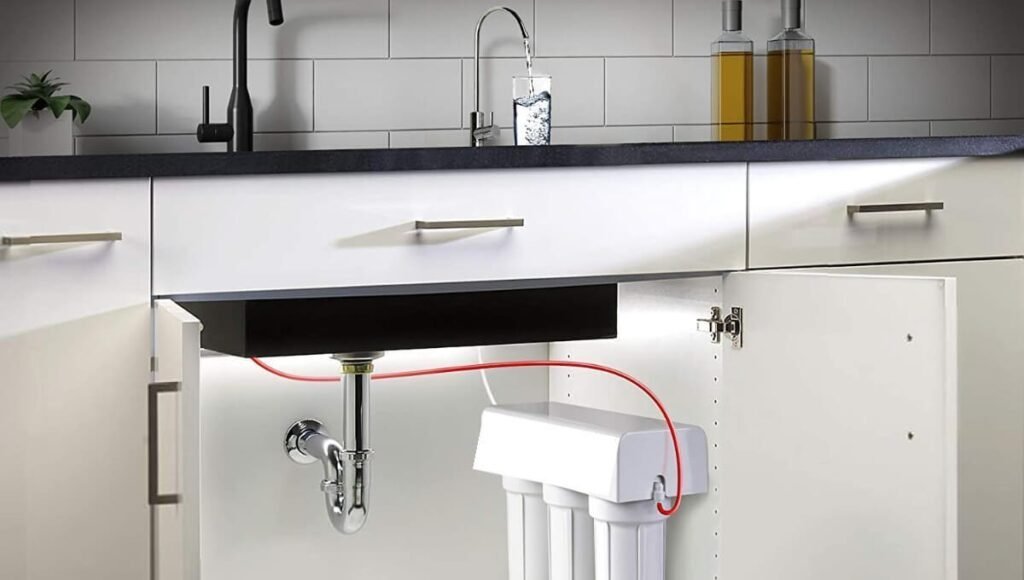
You turn on the kitchen faucet, fill a glass, take a sip—and something tastes a little strange. Maybe it’s metallic. Maybe there’s a faint chlorine smell. Or perhaps the water simply tastes different from what you’re used to.
It’s easy to ignore these changes, especially when you’re busy. After all, water is supposed to be simple. But changes in taste, odor, or appearance can sometimes point to differences in your home’s water source, plumbing, or treatment.
That doesn’t mean an unusual taste automatically means your water is unsafe. Taste and safety are two different things. Still, an unexpected change is worth paying attention to, particularly if it continues for days or affects more than one faucet.
Understanding where your water comes from and what may influence its quality is a good place to start.
Why Does Tap Water Sometimes Taste Strange?
Water doesn’t have one universal taste. Its mineral content, treatment process, temperature, and even the pipes it travels through can influence what you notice when you drink it.
For example, chlorine is commonly used to disinfect public water supplies. While the amount used is regulated, some people are more sensitive to its taste or smell than others. Minerals can also affect flavor. Water containing higher levels of certain minerals may taste slightly earthy, metallic, or salty.
Then there are plumbing-related factors. If water has been sitting in household pipes for several hours, especially overnight, it may taste different when you first turn on the tap.
Related resource: Making Tap Water More Enjoyable Without Overcomplicating It
A temporary change isn’t necessarily a reason to panic. A persistent change, though, deserves a closer look.
When Bad Taste Doesn’t Mean Bad Water
One of the most important things to remember is that taste isn’t a reliable test of water safety.
Some substances can affect taste at very low concentrations, while others may have no noticeable taste or smell at all. That’s why relying only on your senses isn’t enough when there’s a genuine concern about contamination.
A bad taste can be caused by something relatively harmless, such as chlorine or naturally occurring minerals. It can also be related to old plumbing, a dirty faucet aerator, or a filter that needs replacement.
If the change is sudden or unusual, start by checking whether the problem occurs at one faucet or throughout the home. That simple observation can provide a useful clue.
Your Water Source Matters
Where your water comes from has a major influence on what treatment or filtration might be appropriate.
Homes connected to a municipal supply generally receive water that has already gone through treatment before it reaches the property. However, the water still travels through distribution lines and household plumbing. Conditions along that journey can influence taste and, in some circumstances, water quality.
Related resource: Understanding Iron, Sulfur, and Sediment in Well Water
Private wells are different. Well owners are responsible for monitoring their own water, and quality can vary depending on local geology, nearby land use, weather, and changes in the well itself.
This is why there isn’t one universal filtration solution. Two neighboring homes can have very different water-quality concerns, even if both owners complain about an odd taste.
Don’t Forget About the Faucet
Sometimes the water isn’t the problem at all.
Faucet aerators can collect sediment, mineral deposits, and other debris over time. That buildup may affect both flow and taste. Cleaning the aerator is a relatively simple maintenance task and can sometimes solve an annoying problem without requiring a new filtration system.
The same goes for refrigerator water dispensers. Their filters are easy to forget about because they’re tucked away and out of sight. When a filter reaches the end of its useful life, water quality and taste can change.
Before investing in expensive equipment, check the simple things first. It sounds obvious, but you’d be surprised how often the boring explanation turns out to be the correct one.
What About Older Plumbing?
Household plumbing can also influence water quality.
Related resource: Strange Smells and Cloudy Water: What Your Well Might Be Trying to Tell You
Older pipes and plumbing fixtures may contribute metals or other materials to water, particularly when water has remained stagnant for several hours. This is one reason many experts recommend running the cold tap briefly after long periods without use, especially in older homes.
The exact response depends on the plumbing and the suspected issue. If you have concerns about lead or another contaminant, testing is much more useful than guessing from taste alone.
A laboratory water test can tell you what is actually present and help determine whether treatment is necessary.
Should You Install a Whole-House Filter?
If the issue affects water throughout the property, you might start considering a whole house system. These systems treat water as it enters the home rather than filtering it only at one faucet.
That can be useful when the goal is to address a broader water-quality concern. Depending on the design, whole-house systems can target sediment, chlorine, certain contaminants, or other specific issues.
But bigger doesn’t automatically mean better.
If your only concern is the taste of drinking water at the kitchen sink, a point-of-use filter may be enough. Installing a whole-home system for a problem that only exists at one faucet could mean spending more money and maintaining more equipment than necessary.
Related resource: A Closer Look at the Small Details Behind Better Drinking Water
Start with the problem, then choose the technology.
Testing Is Often the Smartest First Step
When water quality becomes a concern, testing provides something that assumptions can’t: actual information.
A basic water test can examine characteristics such as pH, hardness, minerals, and certain contaminants. More detailed testing may be appropriate when there is a known concern about specific substances.
For private wells, regular testing is particularly important because conditions can change over time. Heavy rain, flooding, nearby construction, agricultural activity, or changes in the well itself can potentially affect water quality.
Testing also helps prevent another common mistake—buying a filter that doesn’t address the problem you’re actually trying to solve.
Choosing Filtration Without Getting Overwhelmed
Water filtration marketing can get confusing quickly. You’ll see claims about multiple stages, advanced membranes, mineral enhancement, maximum purity, and dozens of other features.
Try to ignore the noise for a moment.
Related resource: What Your Drinking Water Is Telling You About Its Quality
Look at what the system is certified or tested to reduce. Consider the capacity, replacement-filter cost, maintenance requirements, installation needs, and expected lifespan of the components.
If your water has a known contaminant, choose a system specifically designed for that contaminant. A filter that improves taste may not address a completely different water-quality issue.
In other words, don’t buy based on the biggest number on the box. Buy based on what your water actually needs.
Paying Attention to Small Changes
Water quality doesn’t always announce itself with dramatic signs. Sometimes it’s simply a change in taste that makes you pause halfway through a glass.
That small observation is worth noticing, but it should be followed by sensible investigation rather than immediate alarm. Check the faucet, replace overdue filters, consider your water source, and test the water if the concern continues.
Good water treatment isn’t about making every home use the same expensive setup. It’s about understanding the source, identifying the actual issue, and choosing an appropriate solution.
Once you approach it that way, an unusual taste becomes less of a mystery and more of a useful clue. And that’s a much better place to start when you’re trying to keep the water flowing through your home fresh, reliable, and suitable for everyday life.
Related Posts
Making Tap Water More Enjoyable Without Overcomplicating It
There’s a particular kind of disappointment that comes from filling a glass of water at home and realizing it doesn’t taste quite…
Open resource →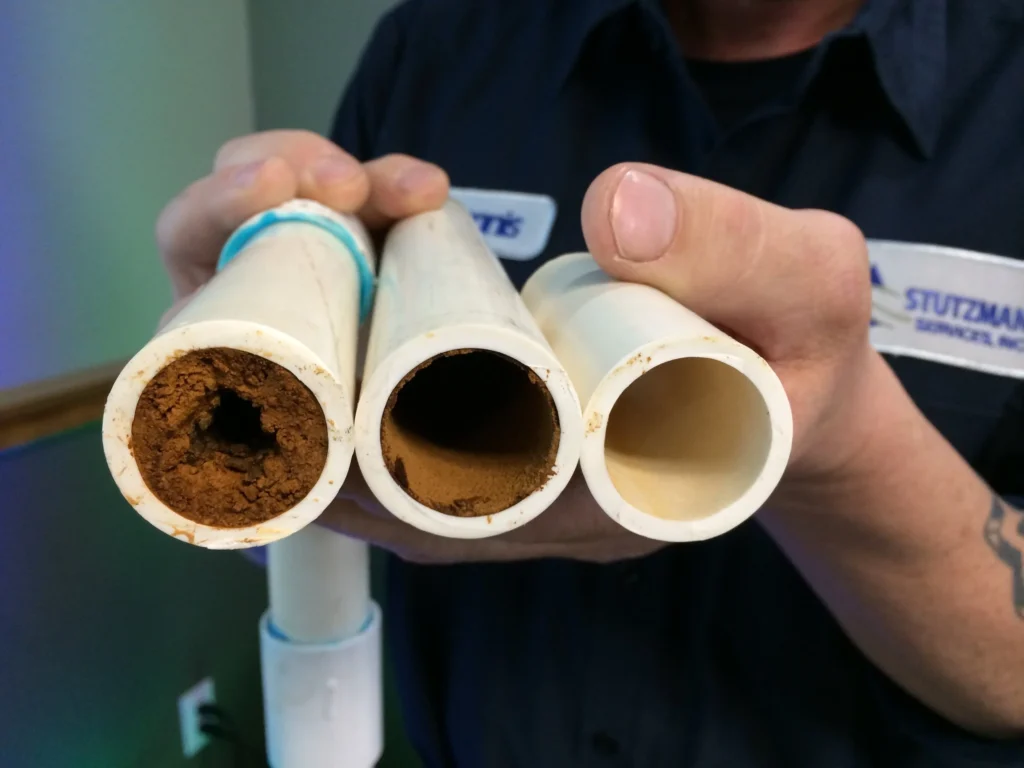
Understanding Iron, Sulfur, and Sediment in Well Water
There’s a funny thing about water: the more ordinary it looks, the less we tend to question it. Fill a glass, hold…
Open resource →
Strange Smells and Cloudy Water: What Your Well Might Be Trying to Tell You
The first time you notice something strange about your water, it’s usually a small moment. You turn on the kitchen faucet and…
Open resource →