
Making the Right Call When a Commercial Roof Needs Attention
A commercial roof tends to be one of those things nobody thinks about until it starts causing trouble. A ceiling tile gets stained. Water appears near an electrical room. Employees notice a damp smell after a storm. Suddenly, something that has been quietly protecting the building for years is now sitting near the top of the priority list.
The first instinct is often to ask, “How much will it cost to fix?”
That’s a fair question. But there’s another one worth asking first: “What does the building actually need?”
A roof can have an isolated problem that requires a straightforward repair, or it can have broader deterioration that calls for a more substantial solution. Knowing the difference helps property owners avoid spending money in the wrong place and makes it easier to plan for the future.
Don’t Make Decisions Based on One Leak
A leak is evidence that water is getting somewhere it shouldn’t. It isn’t necessarily evidence that the entire roof has failed.
Water can enter through damaged flashing, seams, penetrations, drains, or worn roofing materials. It can also travel beneath the surface before appearing inside the building.
That’s why simply fixing the spot where water appears may not solve the underlying problem.
Before deciding on a major replacement, have the roofing system evaluated. A professional inspection can help identify whether the damage is isolated or part of a larger pattern.
The difference can be significant, both technically and financially.
Understand the Age and Condition of the Roof
Age matters, but it’s only one part of the story.
A well-maintained commercial roof may perform effectively for many years, while poor installation, heavy weather exposure, standing water, or neglected maintenance can shorten its useful life.
Related resource: Making Tap Water More Enjoyable Without Overcomplicating It
Look at the roof’s history.
Has it been repaired repeatedly? Were previous leaks documented? Has the building experienced major storms? Are there areas where water routinely collects?
Keeping records of inspections and repairs can help identify patterns that aren’t obvious when looking at one problem at a time.
Storms Can Reveal Hidden Weaknesses
Severe weather has a way of exposing problems that were already developing.
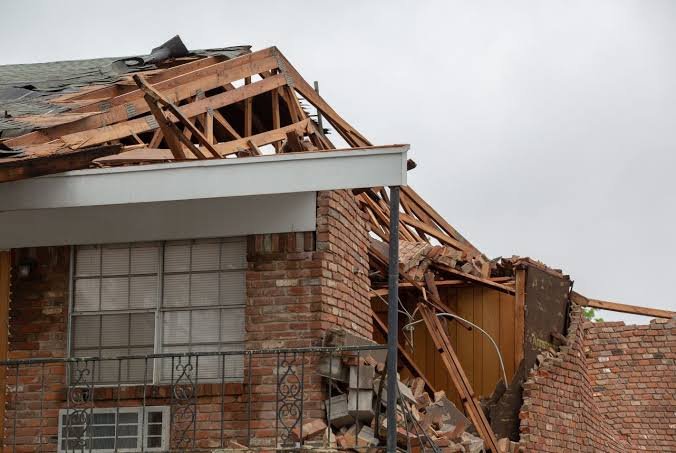
High winds can loosen roofing materials and flashing. Hail can damage exposed surfaces. Heavy rainfall can overwhelm drainage systems. Falling branches can puncture membranes or damage rooftop equipment.
After significant storm damage, arrange an inspection even if there isn’t an obvious interior leak.
Some problems may remain hidden until the next heavy rainfall. Catching them early can make repairs more manageable and reduce the risk of moisture spreading into insulation, decking, walls, or ceilings.
And one practical point: don’t send untrained employees onto the roof to investigate. Commercial roofs can contain skylights, electrical equipment, mechanical systems, and other hazards.
Drainage Is a Big Part of Roof Performance
Water needs somewhere to go.
Commercial roofs, especially low-slope systems, depend on drains, scuppers, gutters, and properly designed slopes to move rainwater away from the building.
Standing water after a storm shouldn’t simply be dismissed as normal.
If ponding occurs repeatedly, ask a roofing professional to investigate. The cause could be blocked drains, inadequate drainage, settlement, damaged components, or other conditions.
Related resource: Understanding Iron, Sulfur, and Sediment in Well Water
Fixing the drainage problem may be just as important as addressing the roofing material itself.
Look Carefully at Flashing and Penetrations
Roof penetrations are common on commercial buildings. HVAC units, vents, pipes, skylights, and other equipment all create openings or transitions that need to be properly protected.
Flashing helps keep water out of these vulnerable areas.
During an inspection, ask whether these locations have been evaluated. A roof can appear relatively healthy across its main surface while still having serious problems around penetrations.
Recurring leaks in the same general area deserve particular attention.
Know What a Quality Contractor Brings to the Table
Hiring the right company matters enormously.
A qualified commercial contractor should have experience with the type of roofing system installed on your building and understand the operational challenges of commercial properties.
Ask about licensing and insurance requirements in your area, relevant experience, safety procedures, warranties, and previous projects.
It can also be helpful to ask who will supervise the work and how communication will happen throughout the project.
Technical ability matters, but so does reliability. You don’t want to spend weeks chasing someone for answers while your building is under construction.
Compare Estimates Carefully
When multiple contractors provide estimates, don’t immediately choose the lowest price.
Read the scope.
Related resource: Strange Smells and Cloudy Water: What Your Well Might Be Trying to Tell You
Does it include removal of existing materials? What about disposal? Are damaged decking or insulation included? Will flashing be replaced? Are drains being addressed? Does the estimate include cleanup?
Two quotes can look completely different while appearing to describe the same job.
Ask contractors to clarify differences before making a decision.
The goal is to compare equivalent scopes of work, not simply numbers.
Consider the Impact on Daily Operations
Commercial roofing work can interfere with normal business activity.
There may be noise, equipment, material deliveries, restricted parking, and temporary access changes.
Before construction starts, discuss how the contractor plans to minimize disruption. If customers visit the building, ask how entrances and walkways will be protected.
For larger properties, phased work may allow certain areas to remain operational while other sections are addressed.
Planning ahead can make an enormous difference.
Safety Should Be Part of the Conversation
Roof work comes with obvious risks, but commercial buildings can introduce additional hazards.
Workers may encounter electrical equipment, mechanical systems, fragile skylights, roof openings, and areas with limited access.
Related resource: A Closer Look at the Small Details Behind Better Drinking Water
Ask contractors about their safety practices and site procedures.
You should also understand how the work area will be separated from employees, customers, and other people who may be on the property.
A safe project isn’t just good practice. It protects everyone involved and helps keep the business running smoothly.
Don’t Ignore Maintenance After the Work
A newly repaired or replaced roof isn’t maintenance-free.
Regular inspections can catch small problems before they become major ones. Drains should remain clear. Flashing should be checked. Rooftop equipment should be monitored for conditions that could affect the roofing system.
After major weather events, another inspection may be appropriate.
A maintenance plan is particularly useful for commercial properties because roofing problems can affect business operations quickly.
Spending a little time maintaining the system can be far less disruptive than dealing with an emergency leak in the middle of a busy workday.
Ask About Warranties
Before signing a contract, understand what warranty protection is included.
Some warranties cover roofing materials, while others address workmanship or specific installation requirements.
Ask how long the coverage lasts, what conditions apply, and what responsibilities the property owner has.
Keep copies of the contract, warranty documents, invoices, inspection reports, and maintenance records.
Related resource: What Your Drinking Water Is Telling You About Its Quality
Good documentation can make future repairs and warranty questions much easier.
Sometimes the Best Choice Is to Plan Ahead
One advantage of a professional roof inspection is that it can give you time.
If the roof doesn’t need immediate replacement but is clearly approaching the end of its useful life, you can begin budgeting before an emergency forces the decision.
That extra time allows you to compare contractors, research materials, schedule work around business operations, and plan financially.
It’s a much better position to be in than standing under a bucket while rain comes through the ceiling.
A Commercial Roof Is Part of the Business Infrastructure
The roof may sit above the business, but its condition can affect everything underneath it.
Employees need a safe workplace. Customers need a comfortable environment. Equipment and inventory need protection. Business owners need predictable operating costs.
That makes roofing decisions worth approaching thoughtfully.
Don’t let a single leak automatically dictate a major project. Have the system evaluated, understand the cause of the problem, compare realistic solutions, and choose contractors based on experience and communication as well as price.
A roof that’s inspected, maintained, and repaired properly can quietly do what it’s supposed to do for years.
And honestly, that’s the best outcome of all — a roof nobody has to think about while the business below keeps doing what it does best.
Related Posts

Making Tap Water More Enjoyable Without Overcomplicating It
There’s a particular kind of disappointment that comes from filling a glass of water at home and realizing it doesn’t taste quite…
Open resource →
Understanding Iron, Sulfur, and Sediment in Well Water
There’s a funny thing about water: the more ordinary it looks, the less we tend to question it. Fill a glass, hold…
Open resource →
Strange Smells and Cloudy Water: What Your Well Might Be Trying to Tell You
The first time you notice something strange about your water, it’s usually a small moment. You turn on the kitchen faucet and…
Open resource →