
Plumbing Services That Keep Homes Comfortable, Safe, and Ready for the Future
Plumbing is one of those household systems people tend to notice only when something goes wrong. A cold shower, a leaking pipe, or a backed-up drain can quickly turn an ordinary day into a frustrating one. Yet plumbing does much more than solve occasional inconveniences. It supports hygiene, comfort, cooking, cleaning, heating, and nearly every routine that makes a house feel like home.
Whether you live in an older property, are planning a renovation, or are building a new house from the ground up, reliable plumbing work matters. The right installation and timely maintenance can prevent costly damage, improve efficiency, and give homeowners confidence that their water systems are working as they should.
The Importance of a Reliable Water Heater
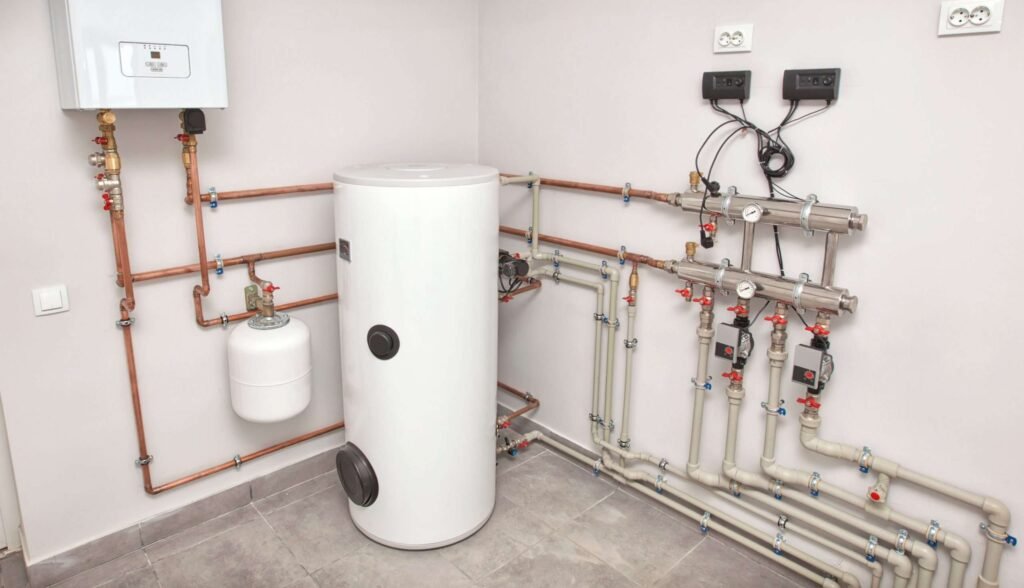
Hot water is easy to take for granted until it disappears. From morning showers to washing dishes and cleaning clothes, a water heater works behind the scenes throughout the day. When it begins to struggle, the warning signs may include inconsistent temperatures, strange noises, rusty water, leaks around the tank, or an unexplained rise in energy bills.
Related resource: Making Tap Water More Enjoyable Without Overcomplicating It
Professional water heater installations & repairs can help homeowners address these problems safely and efficiently. A qualified plumber can inspect the unit, determine whether a repair is practical, and explain when replacement might be the wiser option. Some issues, such as a faulty heating element, damaged thermostat, or worn-out valve, may be repairable. Others, particularly serious tank corrosion or major leaks, may signal that the system has reached the end of its useful life.
Choosing a new water heater requires more than selecting the first model available. Tank size, household demand, fuel type, energy efficiency, available space, and installation requirements should all be considered. A system that is too small may struggle to meet daily needs, while an oversized unit can waste energy and money.
Handling Plumbing Emergencies Quickly
Some plumbing problems cannot wait until the next convenient appointment. A burst pipe, overflowing toilet, major drain backup, or sudden loss of water can cause significant disruption and property damage. In these situations, acting quickly is important, but so is avoiding rushed decisions that may create further problems.
Professional emergency plumbing services are designed to respond to urgent issues and reduce the damage they may cause. When a serious leak occurs, homeowners should first shut off the nearest water supply or the main water valve if necessary. Moving furniture, electronics, and other valuables away from the affected area can also help limit losses.
Related resource: Understanding Iron, Sulfur, and Sediment in Well Water
Not every emergency is obvious. A hidden pipe leak behind a wall may show up as bubbling paint, damp flooring, a musty smell, or an unusually high water bill. Ignoring these signs can allow moisture to spread into insulation, drywall, flooring, and structural materials. Over time, that can contribute to mold growth and expensive repairs.
A professional plumber can locate the source of the issue, stop the immediate flow of water, and recommend a lasting repair rather than simply covering up the symptom.
Planning Plumbing for New Homes
New construction offers a valuable opportunity to create a plumbing system that is efficient, accessible, and suited to the household’s needs. However, plumbing should not be treated as an afterthought during the building process. Poor planning can lead to low water pressure, awkward fixture placement, drainage problems, and difficult maintenance later.
Experienced new construction plumbing professionals work with builders, contractors, and homeowners to design and install the system before walls and floors are closed. This process may involve planning supply lines, drain lines, venting, water heaters, outdoor connections, gas lines, and fixture locations.
Related resource: Strange Smells and Cloudy Water: What Your Well Might Be Trying to Tell You
Good planning begins with understanding how the home will be used. A family with several bathrooms may need a different layout and water capacity than a smaller household. The location of kitchens, laundry rooms, bathrooms, and utility areas also affects pipe routing and installation costs.
Professionals must also follow local plumbing codes and safety standards. Proper venting, pipe sizing, backflow protection, pressure regulation, and drainage slope are not merely technical details. They help ensure that the system operates safely and consistently for years to come.
Why Preventive Maintenance Matters
Many plumbing emergencies begin as small problems. A minor faucet leak may seem harmless, but it wastes water and can indicate worn internal components. A slow drain may be caused by simple buildup, though repeated blockages could point to a deeper issue. Regular maintenance gives homeowners a chance to address these concerns before they become disruptive.
Simple habits can make a difference. Avoid pouring grease into kitchen drains, use drain strainers to catch hair and debris, and do not flush wipes or other unsuitable materials down the toilet. Homeowners should also inspect visible pipes, supply hoses, and water heater connections from time to time.
Related resource: A Closer Look at the Small Details Behind Better Drinking Water
It is useful to pay attention to changes in water pressure and water color. Brown or rusty water may indicate corrosion or disturbance in the plumbing system. Knocking or banging sounds from pipes can sometimes point to pressure problems or loose pipe supports. These signs do not always mean a major failure is imminent, but they deserve attention.
Annual or periodic professional inspections can be especially helpful in older homes. A plumber may identify hidden leaks, deteriorating connections, mineral buildup, or outdated components that could cause trouble later.
Choosing Plumbing Work That Lasts
The quality of plumbing work depends on both the materials and the workmanship. Pipes, fittings, valves, water heaters, and fixtures should be selected according to the property’s needs and local requirements. The cheapest option is not always the most economical if it fails early or requires frequent repairs.
Homeowners should look for licensed and experienced professionals who provide clear explanations, written estimates, and realistic timelines. It is reasonable to ask what caused the problem, which repair options are available, and whether the recommended work is intended as a temporary fix or a long-term solution.
Related resource: What Your Drinking Water Is Telling You About Its Quality
Good communication is particularly important during larger projects. For new construction or major replacements, homeowners should understand where pipes will run, how fixtures will be accessed, and what maintenance may be required in the future.
Building Confidence Through Better Plumbing
A dependable plumbing system is an investment in comfort and peace of mind. It keeps hot water available, protects the home from leaks, supports sanitation, and helps everyday tasks run smoothly. When problems arise, timely professional attention can prevent a small issue from turning into a major expense.
Whether the need involves a water heater, an urgent repair, or plumbing for a newly built home, thoughtful planning and skilled workmanship make all the difference. Plumbing may stay mostly out of sight, but its impact is felt every day. With regular care and the right professional support, homeowners can keep their systems efficient, safe, and ready for whatever comes next.
Related Posts
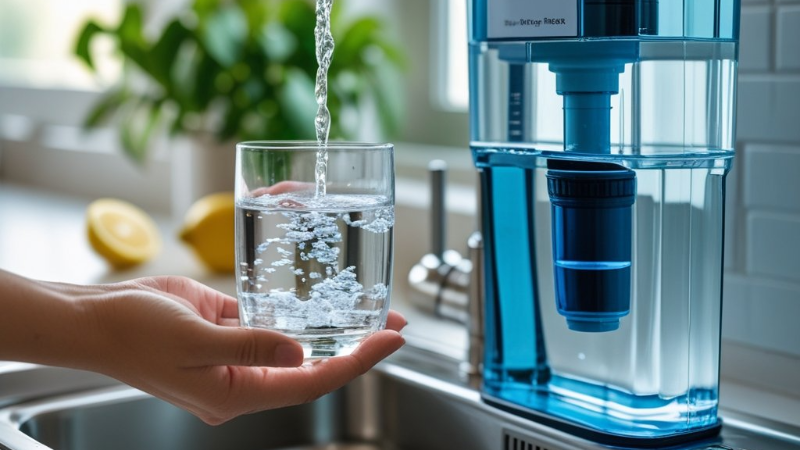
Making Tap Water More Enjoyable Without Overcomplicating It
There’s a particular kind of disappointment that comes from filling a glass of water at home and realizing it doesn’t taste quite…
Open resource →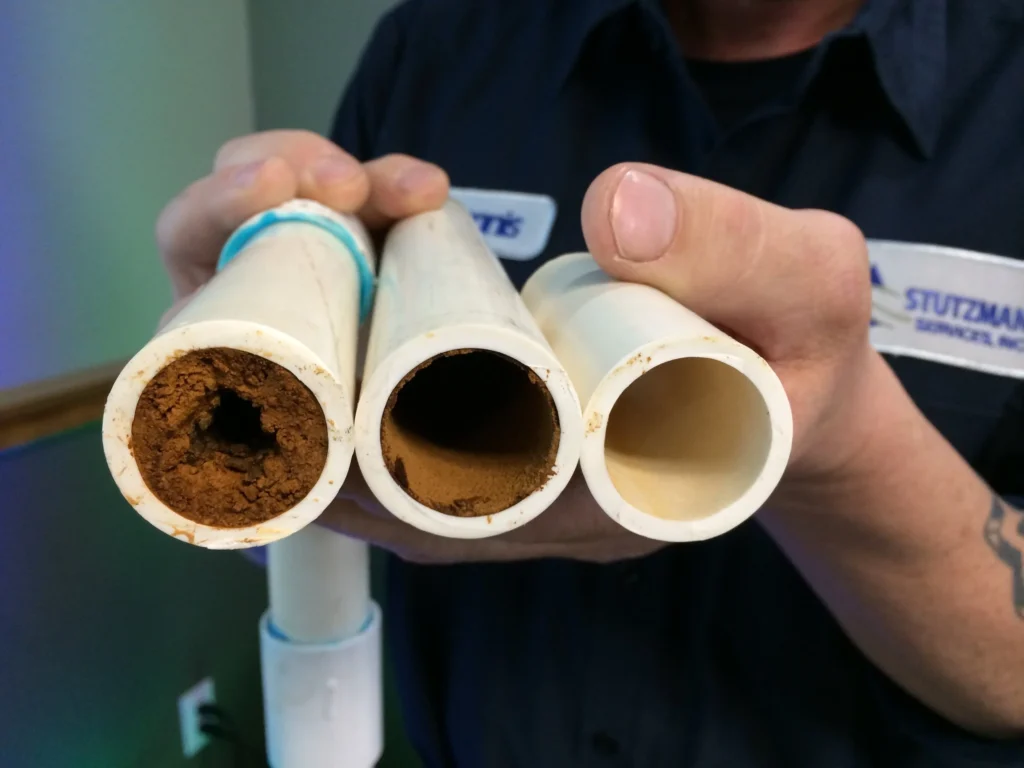
Understanding Iron, Sulfur, and Sediment in Well Water
There’s a funny thing about water: the more ordinary it looks, the less we tend to question it. Fill a glass, hold…
Open resource →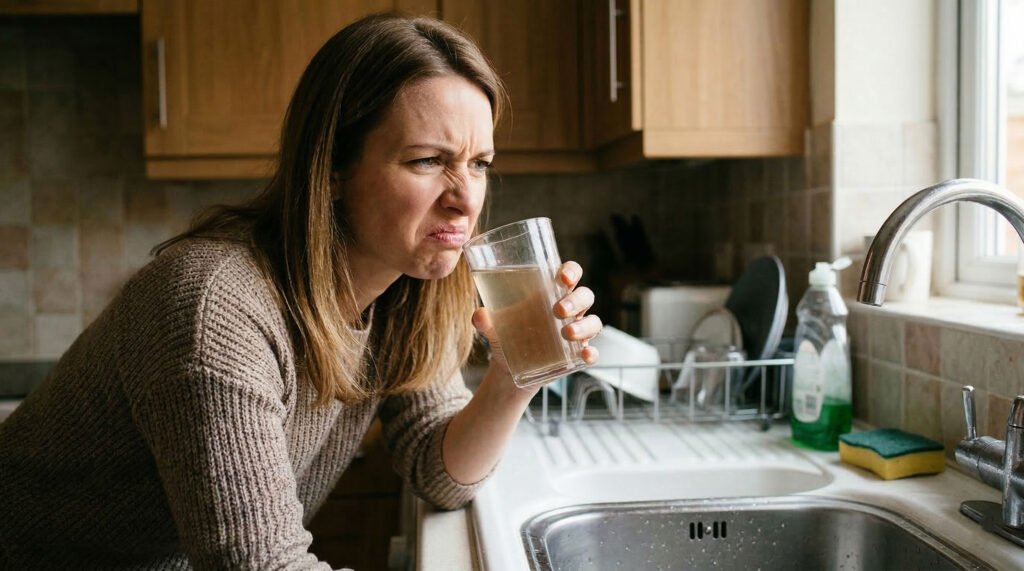
Strange Smells and Cloudy Water: What Your Well Might Be Trying to Tell You
The first time you notice something strange about your water, it’s usually a small moment. You turn on the kitchen faucet and…
Open resource →