
Everyday Benefits of Better Water Quality in Your Home
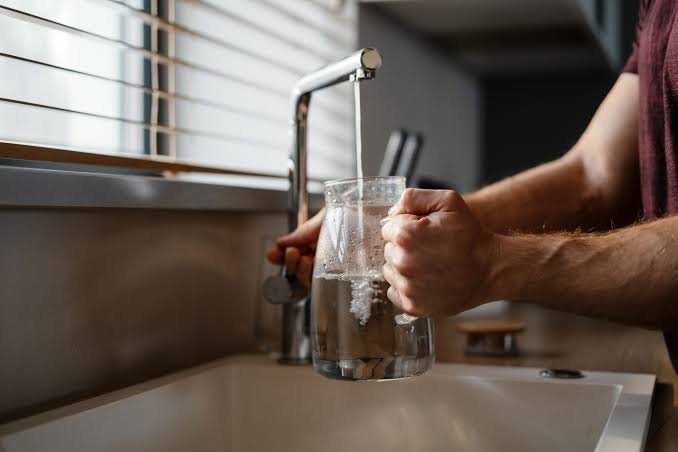
Water is such a normal part of home life that we rarely stop to think about it. We drink it, cook with it, wash our clothes in it, take showers, clean dishes, and use it for dozens of small tasks throughout the day. When the water quality isn’t quite right, though, those ordinary routines can become surprisingly frustrating.
Maybe the tap water has a noticeable smell. Perhaps the shower leaves mineral spots on the glass, or your hair feels dry no matter which shampoo you try. Appliances can suffer too, particularly when hard water and mineral deposits build up inside them.
Improving household water quality isn’t necessarily about chasing perfectly pure water. It’s about identifying what is actually affecting the supply and choosing treatment that makes sense for the home. When the right solution is in place, the benefits can show up in ways that are both practical and easy to notice.
Why Water Quality Matters at Home
Water quality can influence far more than drinking water. The minerals and other substances present in a home’s supply interact with plumbing, fixtures, appliances, cleaning products, fabrics, and even the surfaces we wash every day.
Hard water is a common example. Calcium and magnesium aren’t automatically dangerous, but they can leave scale on faucets, showerheads, water heaters, and appliances. Chlorine, meanwhile, may affect taste and odour. Sediment can make water look cloudy or leave particles in sinks and fixtures.
The important thing is to understand the specific issue before choosing a treatment system. A solution designed to reduce hardness won’t necessarily remove chlorine, and a sediment filter won’t solve every dissolved-water problem.
Related resource: Making Tap Water More Enjoyable Without Overcomplicating It
Better-Tasting Water Can Change Daily Habits
Taste is one of the first things people notice when water quality improves. If tap water has a strong chlorine taste, metallic flavour, or unpleasant odour, some people simply stop drinking it. Instead, they reach for bottled water or sugary drinks, even when a glass of plain water would be the easier option.
A suitable filtration system can provide enhanced taste and odour by reducing substances responsible for unwanted sensory characteristics. Carbon filtration, for example, is commonly used to reduce chlorine and certain compounds that affect taste and smell.
The difference can be especially noticeable in beverages. Coffee and tea rely heavily on water quality, so unwanted flavours in the water can carry straight into the finished drink. Cooking can benefit too. Soups, rice, pasta, and other foods prepared with water may taste cleaner when the supply itself is pleasant.
It sounds like a small improvement, but when something is used several times a day, small improvements tend to add up.
Protecting Household Appliances
Water treatment can also help protect the equipment that quietly keeps a household running. Water heaters, dishwashers, washing machines, kettles, coffee makers, and other appliances all come into contact with the home’s water supply.
Hard water is particularly troublesome because dissolved minerals can form scale when water is heated. Over time, deposits may collect around heating elements and internal components. This can reduce efficiency and increase the amount of maintenance an appliance needs.
Related resource: Understanding Iron, Sulfur, and Sediment in Well Water
Reducing hardness can contribute to an extended appliance lifespan, particularly when scale has been a persistent issue. It doesn’t mean appliances will last forever, of course. Age, usage, manufacturing quality, maintenance, and electrical or mechanical problems still matter. But reducing unnecessary mineral buildup can remove one avoidable source of stress.
Water treatment can therefore be viewed as part of general appliance care rather than a completely separate household project.
What Happens to Plumbing Over Time?
Appliances aren’t the only things affected by hard or poorly filtered water. Plumbing fixtures can also show the effects.
Mineral deposits may collect inside faucets, showerheads, valves, and sections of pipe. A showerhead that once had strong, even water pressure can gradually develop blocked openings. Faucets may develop chalky rings that keep returning after cleaning.
In more severe situations, scale can contribute to restricted flow within plumbing components. The exact impact depends on the hardness level, pipe material, temperature, and length of time the deposits have been developing.
Treating the water at the appropriate point can help reduce future buildup. It won’t magically remove every existing deposit, so heavily affected fixtures may still need cleaning or replacement. The bigger advantage is preventing the same problem from continually returning.
Related resource: Strange Smells and Cloudy Water: What Your Well Might Be Trying to Tell You
The Connection Between Water and Skin
People often notice the effects of water quality while showering. Hard water can react with soap and create a residue that remains on the skin rather than rinsing away completely. Some people describe the result as a tight, dry, or coated feeling.
Softened or properly filtered water may rinse more easily, depending on the household’s water chemistry and treatment setup. This can make showers feel more comfortable and may reduce the amount of soap or body wash needed.
For some households, better water quality is associated with healthier skin and hair, although water treatment should not be treated as a medical solution. Skin and hair condition depends on many factors, including personal care products, climate, genetics, and individual sensitivity.
Still, removing excessive hardness or certain irritants from household water can improve the overall bathing experience. Sometimes comfort is reason enough.
Hair Care Can Feel Different Too
Hair is exposed to water regularly, so changes in water chemistry can become noticeable over time. Minerals from hard water may accumulate on the hair surface, potentially leaving it feeling dull, rough, or difficult to manage.
This doesn’t mean every hair problem comes from hard water. Shampoo, conditioner, heat styling, coloring, environmental conditions, and natural hair type all play a role. But if someone notices a persistent mineral-like residue or their hair feels different after moving to a new property, the water supply may be worth investigating.
Related resource: A Closer Look at the Small Details Behind Better Drinking Water
A water test can provide useful information. In some cases, a suitable shower filter or whole-home treatment approach may help. The right choice depends on what is actually present in the water.
Cleaner Laundry and Dishes
Water quality also affects household chores. Hard water can make detergents less effective because minerals interact with cleaning agents. As a result, people may use more detergent while still feeling that clothes or dishes aren’t as clean as they should be.
Laundry washed in hard water can sometimes feel stiff, especially when mineral residue accumulates in fabric. Glassware may develop cloudy spots, and dishes can lose some of their shine.
Reducing hardness can make cleaning products work more efficiently. Homeowners may find that less detergent is needed, although the exact amount should still follow the product manufacturer’s recommendations.
The goal isn’t simply to use less soap. It’s to create water conditions where cleaning products can do their job without fighting against excessive mineral content.
Choosing the Right Treatment
There isn’t one treatment system that is automatically right for every home. The first step should be identifying the problem.
Related resource: What Your Drinking Water Is Telling You About Its Quality
A professional water test can examine hardness, pH, chlorine, iron, manganese, sediment, bacteria, and other relevant characteristics. The results can then guide the choice between a softener, carbon filter, sediment filter, reverse osmosis system, UV treatment, or a combination of technologies.
Whole-house systems treat water as it enters the property, while point-of-use systems focus on specific taps, usually for drinking and cooking. Each approach has advantages depending on the household’s priorities and budget.
Homeowners should also consider maintenance. Filters need replacement, softeners require salt and servicing, and other treatment equipment may have specific cleaning or component-replacement schedules.
A Small Change That Can Affect the Whole Home
Good water quality isn’t about making a home feel complicated. In fact, the best treatment setup is often the one you barely notice because it simply works in the background.
Cleaner-tasting water can make drinking and cooking more enjoyable. Reduced scale can help protect appliances and fixtures. Better water for bathing may improve everyday comfort, while appropriate filtration can address specific concerns identified through testing.
The key is to avoid guessing. Understand the water first, choose treatment based on actual needs, and keep the equipment properly maintained. When those pieces come together, better water quality becomes less of a luxury and more of a practical part of a comfortable, well-maintained home.
Related Posts
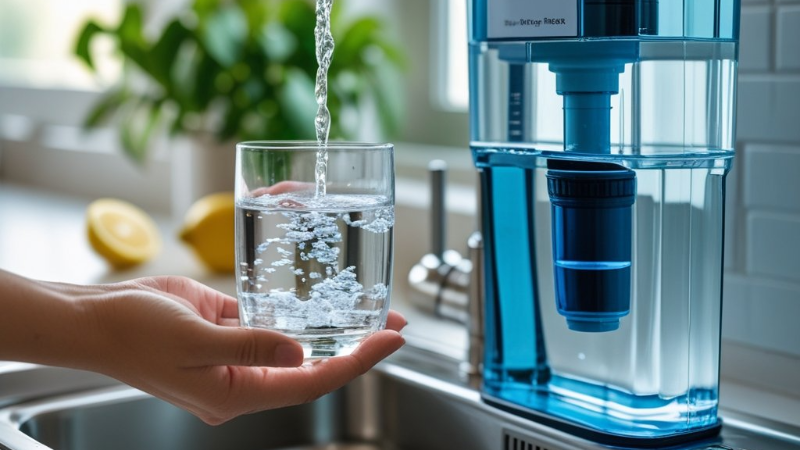
Making Tap Water More Enjoyable Without Overcomplicating It
There’s a particular kind of disappointment that comes from filling a glass of water at home and realizing it doesn’t taste quite…
Open resource →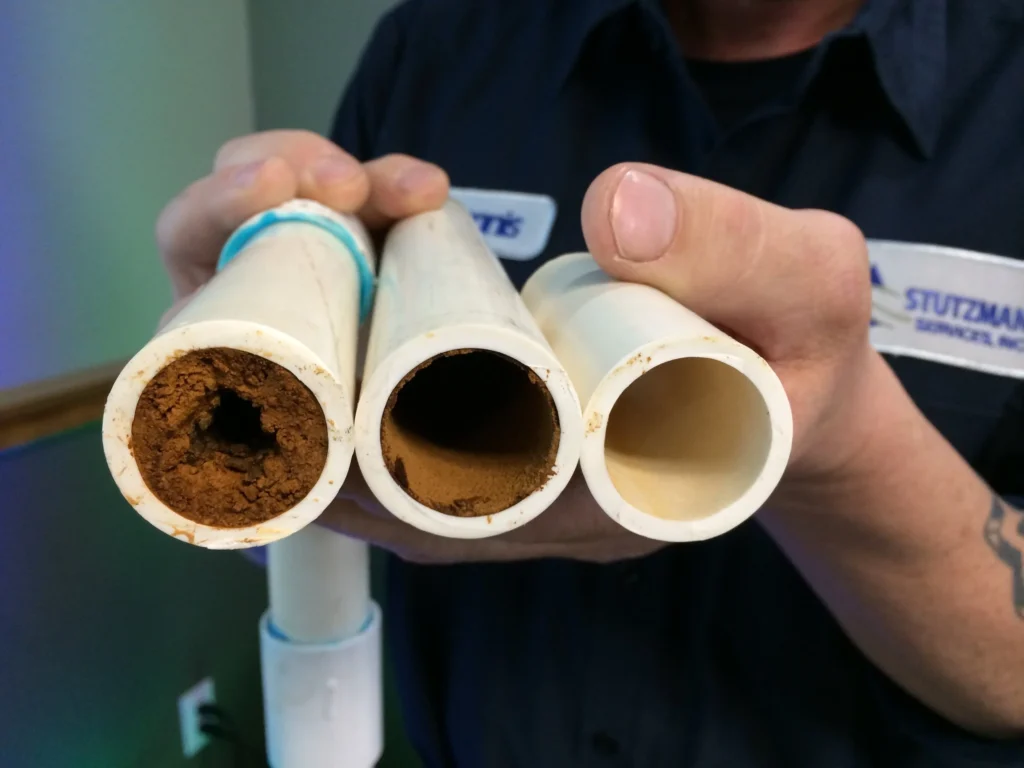
Understanding Iron, Sulfur, and Sediment in Well Water
There’s a funny thing about water: the more ordinary it looks, the less we tend to question it. Fill a glass, hold…
Open resource →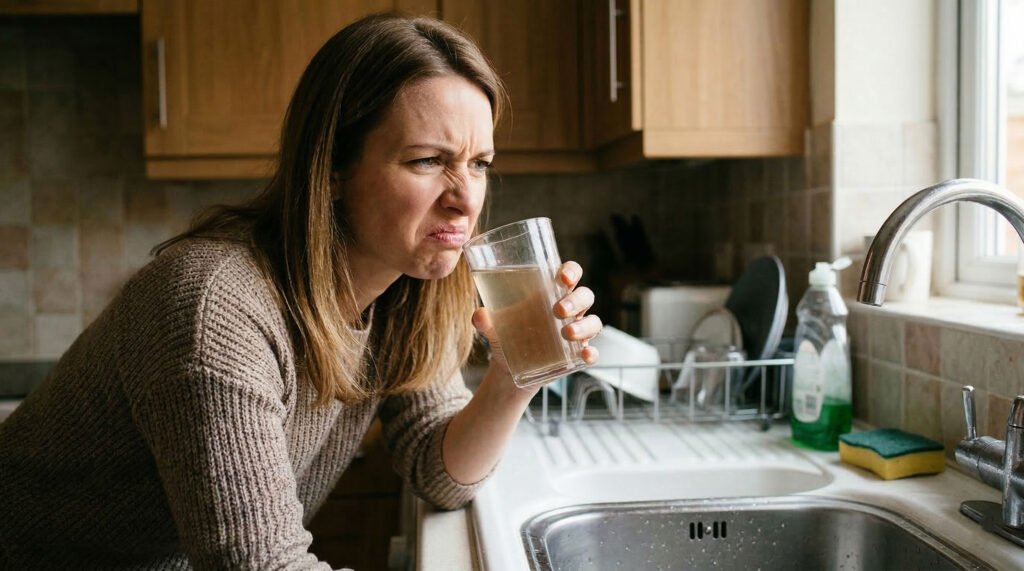
Strange Smells and Cloudy Water: What Your Well Might Be Trying to Tell You
The first time you notice something strange about your water, it’s usually a small moment. You turn on the kitchen faucet and…
Open resource →