
Making Better Water Choices for a Healthier, More Efficient Workplace
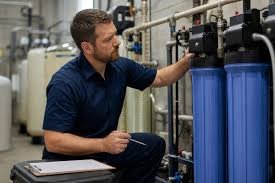
Water is one of those things a business can’t really do without, yet it’s rarely given much thought until something goes wrong. A strange taste shows up in the break-room tap. A coffee machine starts acting temperamental. White deposits appear around faucets. Someone notices that the water dispenser hasn’t been serviced in far too long.
These problems may seem small on their own, but they can become surprisingly disruptive when they keep happening.
Good water management isn’t necessarily about installing the most sophisticated equipment available. It’s about understanding what’s happening with the water, deciding what needs to be improved, and choosing equipment that can keep up with everyday business demands.
That sounds simple. In practice, it takes a little planning.
Start by Understanding the Building’s Water
Every commercial property has its own quirks.
The incoming supply might be municipal water, private well water, or a combination of different sources. Plumbing age, building size, water usage, and local conditions can all affect what comes out of a faucet.
Before investing in treatment, consider having the water tested. Basic testing may identify hardness, chlorine, pH, sediment, iron, and other characteristics. More detailed laboratory analysis can be useful when there’s concern about particular contaminants.
This is where professional water treatment services can be valuable. A qualified provider can help interpret test results, identify realistic treatment goals, and recommend equipment based on actual conditions rather than assumptions.
That’s a better starting point than choosing a system because it happens to have the most cartridges.
Filtration Has a Specific Job
The word “filtration” can make it sound as though one device should remove everything.
That’s not really how water treatment works.
Related resource: Making Tap Water More Enjoyable Without Overcomplicating It
Water filtration can refer to several different technologies, each designed to address different substances. Sediment filters physically capture particles. Activated carbon can reduce certain chemicals and improve taste and odor. Other technologies may be used for hardness or specific dissolved contaminants.
The important question isn’t simply, “Do we need filtration?”
It’s, “What do we need to remove or reduce?”
Once you answer that, choosing the technology becomes much easier.
Drinking Water Is a Workplace Experience
For employees, drinking water is part of the everyday environment.
A convenient, good-tasting water station encourages people to refill their bottles instead of walking to a vending machine or bringing drinks from home. In customer-facing businesses, clean and appealing drinking water can also contribute to the overall impression of the facility.
This is one reason businesses are moving away from traditional large-bottle dispensers.
Bottleless coolers connect directly to the building’s water supply and typically use filtration before dispensing water. They can eliminate the storage and handling associated with large replacement bottles, which is especially useful in offices where storage space is limited.
Of course, they still need cleaning and filter changes. “Bottleless” doesn’t mean “maintenance-free.”
Think About Water Demand
A filtration system for a small office has very different requirements from one serving a restaurant, gym, hotel, school, or manufacturing facility.
Peak demand matters.
Related resource: Understanding Iron, Sulfur, and Sediment in Well Water
Several employees may use faucets at once. A restaurant can have dishwashing and food preparation happening simultaneously. A hotel may experience heavy morning usage.
If equipment is undersized, water pressure or flow can become frustrating. If it’s dramatically oversized, the business may be paying for capacity it rarely uses.
Proper sizing considers flow rate, pressure, daily consumption, and the times when demand is highest.
Average usage alone doesn’t tell the whole story.
Hard Water Can Create Quiet Expenses
Hard water is another issue businesses often notice only after equipment starts requiring more attention.
Calcium and magnesium can form scale when water is heated or evaporates. In commercial kitchens, coffee equipment, ice machines, water heaters, and dishwashers can all be exposed to these conditions.
The result may be more frequent cleaning, reduced efficiency, or premature wear in some equipment.
Water softening or scale-control treatment may help, but only if hardness is actually present at a level that causes problems.
Testing first is still the sensible move.
Taste and Odor Shouldn’t Be Ignored
People are remarkably sensitive to the taste of drinking water.
A noticeable chlorine taste, metallic flavor, or unusual odor can make employees less interested in using a workplace dispenser. Even when the water meets applicable requirements, poor taste can affect whether people choose to drink it.
Related resource: Strange Smells and Cloudy Water: What Your Well Might Be Trying to Tell You
Activated carbon is commonly used in drinking-water applications to improve taste and odor and reduce certain compounds.
The exact performance depends on the filter and the water conditions, so businesses should look for treatment systems with appropriate specifications rather than assuming every carbon filter works identically.
Don’t Forget About Sediment
Sediment isn’t always a health concern, but it can certainly become an equipment concern.
Particles can clog small valves, restrict flow, and accumulate inside fixtures or appliances. If sediment levels are high, placing an appropriate sediment filter before more sensitive treatment equipment can provide useful protection.
The filter needs to be sized for the expected particle load and flow rate, though.
An undersized cartridge that clogs every few days isn’t a solution. It’s another maintenance problem.
The Installation Location Matters
Commercial treatment equipment needs a sensible home.
A system tucked into an inaccessible corner of a mechanical room may technically work, but servicing it can become difficult. Filters need space to be removed. Technicians need room to work. Drainage and electrical requirements may also need consideration.
Before installation, look at the entire setup rather than just the equipment footprint.
Ask where shutoff valves will be located. Think about possible leaks. Consider whether the system will remain accessible five years from now when the surrounding space is filled with other equipment.
Good installation is partly about anticipating the future.
Related resource: A Closer Look at the Small Details Behind Better Drinking Water
Maintenance Is Easy to Forget
This may be the least exciting part of water treatment, but it’s critical.
Filters have finite lifespans. Membranes eventually need replacement. Dispensers require cleaning and sanitation. Softening equipment may need salt or other service.
Businesses should assign responsibility for maintenance rather than assuming someone will remember.
A simple service log can help. Record filter changes, inspections, repairs, and water-testing results. It takes only a few minutes and creates a useful history when something eventually needs troubleshooting.
Look Beyond the Initial Price
A water system can seem inexpensive until the ongoing costs arrive.
Consider filter replacements, service visits, energy consumption, water usage, consumables, installation, and possible downtime. For a busy business, reliability has real value.
A system with slightly higher upfront costs may be worthwhile if it’s easier to maintain or better suited to heavy demand.
On the other hand, expensive equipment isn’t automatically better.
The right choice is the one that provides the treatment you need at a reasonable long-term operating cost.
Don’t Treat Every Water Problem the Same Way
A common mistake is buying equipment based on a symptom without investigating its cause.
Cloudy water could be related to air, sediment, plumbing, or other factors. Poor taste might involve chlorine, pipes, or something else entirely. Low flow could be a clogged fixture rather than a filtration problem.
Related resource: What Your Drinking Water Is Telling You About Its Quality
Water treatment can help with many concerns, but it isn’t a substitute for plumbing repair.
If only one faucet is affected, inspect that fixture. If the entire building has changed, look farther upstream.
A little troubleshooting can save a lot of unnecessary spending.
Make Water Management Part of the Bigger Picture
Businesses already maintain HVAC systems, electrical equipment, security systems, and other infrastructure. Water treatment deserves the same practical mindset.
Test the water when appropriate. Understand the building’s demand. Select equipment based on measurable needs. Install it where it can be serviced. Keep maintenance on schedule.
And don’t be afraid of a simple solution.
Sometimes a well-chosen drinking-water filter is enough. Sometimes a bottleless dispenser makes the most sense. A larger property may need whole-building treatment, softening, or specialized filtration.
There is no trophy for having the most complicated system.
The real win is having water that tastes good, equipment that performs reliably, and a maintenance routine that doesn’t constantly surprise you.
Once those pieces are in place, water treatment becomes what it should have been all along: quiet infrastructure that supports the business without demanding much attention.
Related Posts
Making Tap Water More Enjoyable Without Overcomplicating It
There’s a particular kind of disappointment that comes from filling a glass of water at home and realizing it doesn’t taste quite…
Open resource →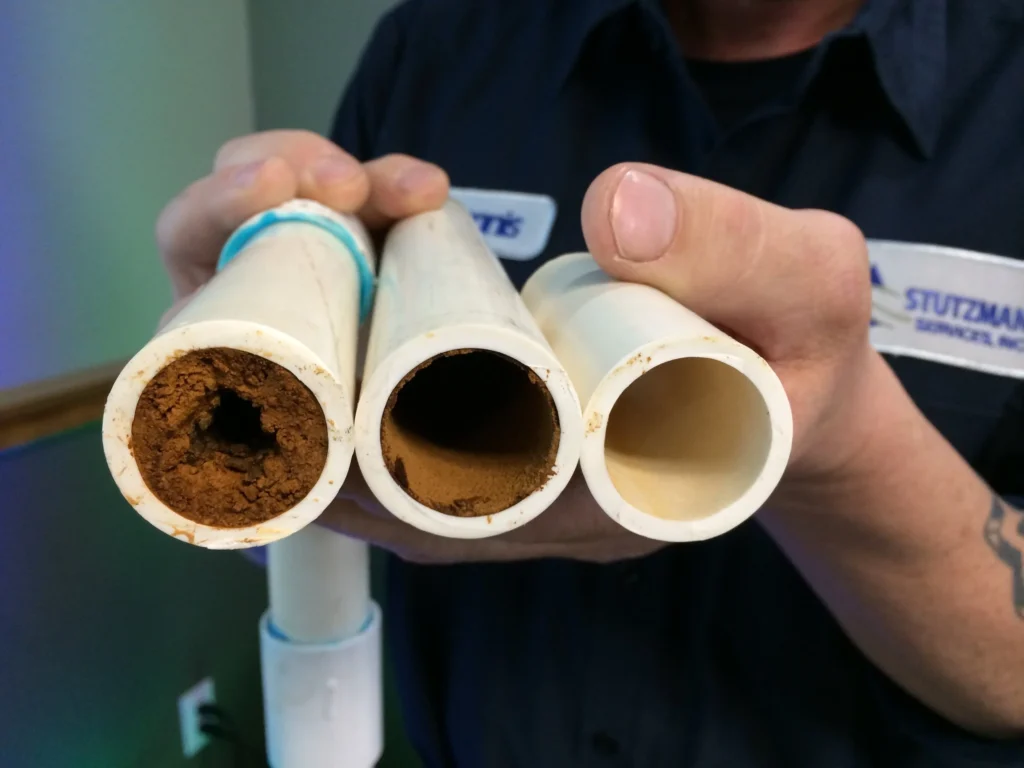
Understanding Iron, Sulfur, and Sediment in Well Water
There’s a funny thing about water: the more ordinary it looks, the less we tend to question it. Fill a glass, hold…
Open resource →
Strange Smells and Cloudy Water: What Your Well Might Be Trying to Tell You
The first time you notice something strange about your water, it’s usually a small moment. You turn on the kitchen faucet and…
Open resource →