
Making Well Water Better: Practical Treatment for the Problems You Can Actually See
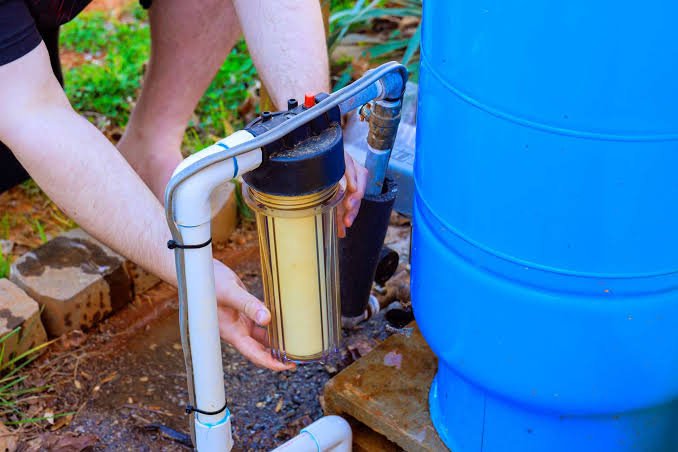
There’s a certain satisfaction in having your own well. You’re not depending entirely on a municipal water supply, and there’s something reassuring about knowing where your household water comes from.
But a private well also comes with responsibility.
Unlike city water, which is treated and monitored by a public utility, well water needs regular attention from the property owner. Groundwater can pick up minerals from surrounding rock and soil, while environmental conditions can influence quality over time. Sometimes the first warning is a strange smell. Other times it’s orange staining around the sink, cloudy water, or a sudden change in taste.
None of these signs should automatically send you into panic mode. They should, however, make you curious.
Good well water treatment starts with finding out what is actually in the water. Once the problem is identified, choosing the right equipment becomes much less of a guessing game.
Your Well Water Has Its Own Personality
Two homes on the same road can have surprisingly different water.
One well may produce clear water with little noticeable mineral content. Another may have significant hardness, iron, sulfur odor, or sediment. Local geology plays a major role, and even changes in the well itself can affect what comes out of the faucet.
That’s why borrowing your neighbor’s treatment strategy isn’t always a good idea.
Their water may look similar but have a completely different chemistry.
A water analysis can measure important characteristics such as hardness, pH, iron, manganese, sulfur-related conditions, and other factors. The results provide a starting point for deciding what treatment, if any, is needed.
Testing Should Come Before Equipment
It’s tempting to walk into a store after seeing orange stains and buy an iron filter.
Sometimes that works.
Related resource: Making Tap Water More Enjoyable Without Overcomplicating It
Sometimes it doesn’t.
Iron can exist in different forms, and treatment performance can depend on pH, concentration, flow rate, and other water characteristics. The same basic principle applies to sulfur odor, hardness, sediment, and microbial concerns.
Testing takes some of the guesswork out of the process.
If your water has changed recently, testing can also help establish whether the change is connected to the well, plumbing, treatment equipment, or another source.
Think of the test as a map. You wouldn’t start driving across an unfamiliar state without knowing where you’re going, so why install expensive equipment without understanding the water you’re trying to treat?
Iron Staining Is More Than a Cosmetic Headache
Iron is one of those water problems that announces itself.
You may notice reddish-orange stains around toilets, sinks, tubs, or laundry. Water can have a metallic taste, and deposits may accumulate in plumbing or appliances.
The frustrating part is that iron treatment isn’t always straightforward.
Some iron is dissolved and invisible when the water first leaves the tap. It can oxidize after exposure to air and then become visible as particles or staining.
Treatment may involve oxidation, filtration, specialized media, or another approach depending on the water conditions.
A professional evaluation can help determine which method makes sense rather than relying on trial and error.
Sulfur Odor Can Make Water Unpleasant Fast
The familiar rotten-egg odor associated with some well water is usually linked to hydrogen sulfide.
Even a relatively small amount can make a kitchen or bathroom smell unpleasant. And because the odor can sometimes appear more strongly in hot water, homeowners may initially blame the water heater.
Related resource: Understanding Iron, Sulfur, and Sediment in Well Water
In other cases, the source is groundwater or conditions within the plumbing system.
The important thing is to identify where the odor occurs and test the water when appropriate.
Once the source and concentration are understood, treatment options become much easier to evaluate.
Iron and Sulfur Sometimes Show Up Together
Some wells have more than one problem.
That’s where iron & sulfur removal becomes particularly relevant. A system designed for both conditions can combine treatment stages or use media capable of addressing the specific chemistry involved.
But don’t assume that a system advertised for “iron and sulfur” will perform equally well for every well.
Concentration matters. Water pH matters. Flow rate matters. The form of iron matters.
If a system is undersized or incorrectly matched, you may still see stains or smell sulfur after installation.
Proper sizing and testing are worth the effort.
Hard Water Creates Its Own Set of Problems
Not every well-water complaint involves contamination.
Hardness is common in groundwater and is generally caused by dissolved calcium and magnesium.
You may notice white deposits around faucets, spots on glassware, reduced soap lather, or scale developing inside appliances.
A water softener can help reduce hardness and make everyday cleaning easier. It may also help protect plumbing and appliances from excessive mineral buildup.
Related resource: Strange Smells and Cloudy Water: What Your Well Might Be Trying to Tell You
But remember: a softener isn’t a universal water purifier.
If your water also contains iron, sulfur, or microbial concerns, additional treatment may be needed.
What About Bacteria?
Private wells can be vulnerable to microbial contamination, particularly when well components are damaged or when surface water enters the system.
Certain bacteria may not affect the taste, smell, or appearance of water, which makes testing especially important.
If testing identifies microbial contamination, the response should focus on both the source and appropriate disinfection.
Simply installing a conventional sediment filter won’t necessarily solve a bacterial problem.
This is one area where professional guidance can be particularly valuable.
UV Disinfection Can Add a Protective Barrier
For households concerned about microbial contamination, uv disinfection may be part of an overall treatment strategy.
Ultraviolet systems expose water to UV light at a controlled intensity, which can inactivate certain microorganisms as the water passes through the treatment chamber.
However, UV treatment has important requirements.
The water generally needs to be relatively clear because excessive turbidity or particles can interfere with the process. UV lamps also require routine maintenance and eventual replacement.
A UV system isn’t a substitute for protecting the well from contamination, either. It is a treatment barrier, not a repair for a damaged well.
Related resource: A Closer Look at the Small Details Behind Better Drinking Water
Sediment Can Be Easy to Miss
Sand, silt, and other particles can enter well water and create problems for faucets, appliances, and downstream treatment equipment.
A sediment filter can often help, but selecting the correct filtration level matters.
A filter that’s too fine may restrict flow unnecessarily. One that’s too coarse may allow unwanted particles through.
If sediment appears suddenly, investigate the reason rather than assuming you simply need a larger filter.
Changes in groundwater conditions, well components, or pumping can sometimes contribute to new sediment problems.
Your Treatment System Needs Maintenance
Even excellent equipment won’t maintain itself.
Filters need changing. UV lamps need replacement at appropriate intervals. Treatment media eventually become exhausted. Softener systems may need salt and service, while pumps and valves can require inspection.
Keep a basic maintenance schedule.
Write down installation dates and replacement dates. Set reminders if necessary.
It sounds almost too simple, but this habit can prevent the common situation where a homeowner realizes the filter hasn’t been changed in two years.
Treatment equipment only works as well as its maintenance allows.
Consider the Whole House
Some water problems affect more than drinking water.
If iron stains the bathtub, sulfur odor comes from multiple faucets, or sediment reaches washing machines and water heaters, point-of-use treatment may not be enough.
Related resource: What Your Drinking Water Is Telling You About Its Quality
A whole-home treatment approach can address water before it travels through the property’s plumbing.
This can also protect household fixtures and appliances, depending on the type of problem and treatment selected.
Still, not every household needs whole-home treatment. If the concern is limited to drinking water, a point-of-use system may be more economical.
The right answer depends on the problem.
Good Water Treatment Starts With Good Information
Private well ownership doesn’t have to mean constantly worrying about your water.
It does mean paying attention.
Test your water periodically and whenever there is a significant change. Keep the well and surrounding area properly maintained. Watch for changes in taste, odor, staining, or sediment. And when treatment is needed, select equipment based on actual water conditions.
There is no magic machine that solves every well-water problem.
Sometimes the answer is a softener. Sometimes it is filtration. In other situations, oxidation, specialized media, or UV treatment may be appropriate. And occasionally, the best solution is a combination of several technologies working together.
The goal isn’t to make your water treatment setup as complicated as possible.
It’s to make it appropriate.
When you know what is in your water, understand what each treatment method does, and keep the equipment maintained, owning a private well becomes much easier. The strange smell, stubborn stain, or cloudy glass stops being a mystery and becomes simply another household issue you know how to handle.
Related Posts
Making Tap Water More Enjoyable Without Overcomplicating It
There’s a particular kind of disappointment that comes from filling a glass of water at home and realizing it doesn’t taste quite…
Open resource →
Understanding Iron, Sulfur, and Sediment in Well Water
There’s a funny thing about water: the more ordinary it looks, the less we tend to question it. Fill a glass, hold…
Open resource →
Strange Smells and Cloudy Water: What Your Well Might Be Trying to Tell You
The first time you notice something strange about your water, it’s usually a small moment. You turn on the kitchen faucet and…
Open resource →