
How to Lead a Remote Team Successfully”
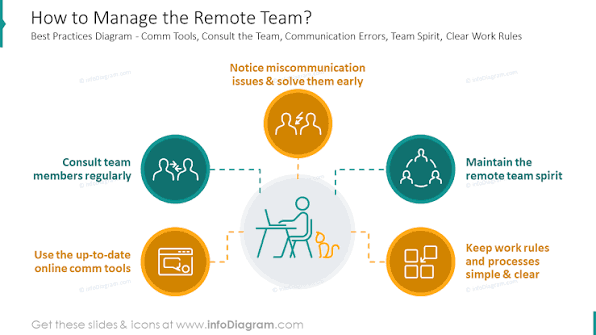
A lot of managers still treat remote work as a temporary inconvenience rather than a real skill to build. If you want to genuinely manage remote team dynamics well, you need different habits than the ones that worked in a physical office.
Trust Has to Be Explicit, Not Assumed
In an office, trust builds through small, visible moments — someone staying late, a quick hallway chat. Remote work removes almost all of that. You have to build trust deliberately instead of assuming it forms naturally.
Quick answer: To manage remote team members effectively, focus on outcome-based accountability rather than visible activity, over-communicate context and expectations, and create consistent (not excessive) check-in rhythms that respect people’s focus time.
Judge Output, Not Online Status
This is where a lot of managers go wrong. Checking whether someone’s “green dot” is active on Slack isn’t management — it’s surveillance, and it damages trust fast. Judge people by what they deliver, not by how often they appear online.
I genuinely disagree with companies that install activity-tracking software for remote teams. It signals distrust louder than any words could, and good employees notice immediately.
Over-Communicate Context
In-office teams pick up context through overheard conversations. Remote teams don’t get that ambient information at all. Leaders need to explicitly share the “why” behind decisions, not just the “what.”
Build Predictable, Not Excessive, Check-Ins
- Daily async standups (written, not always live calls)
- One structured weekly 1:1 per team member
- Clear response-time expectations (not “always available”)
Too many meetings kill deep work; too few create silent confusion. Finding the right rhythm takes some trial and error with your specific team.
Document Everything That Matters
If a decision or process isn’t written down somewhere accessible, it effectively doesn’t exist for a remote team. Verbal-only instructions get lost or misremembered far more easily across time zones and schedules.
Protect Against Isolation
Remote work can get lonely, and that loneliness quietly affects performance over time. Occasional informal virtual hangouts, or even simple non-work Slack channels, help more than people expect. [link to related guide on entrepreneur mindset habits here]
Related resource: Qualities of Effective Leaders in the Workplace
Respect Time Zones and Working Hours Genuinely
Sending “urgent” messages outside someone’s working hours, even unintentionally, creates pressure to always be reachable. Effective remote leaders are deliberate about scheduling and messaging etiquette across time zones.
Give Feedback More Frequently, Not Less
Without hallway conversations, small issues can go unaddressed for weeks. Regular, direct feedback — both positive and corrective — needs to happen more intentionally in remote settings, not less.
FAQ
How do you build trust with a remote team you’ve never met in person? Through consistent follow-through on commitments, transparent communication, and outcome-based accountability rather than assumed visibility.
Is remote work less productive than in-office work? Research is mixed and largely depends on management quality — poorly managed remote teams underperform, but well-managed ones often match or exceed in-office productivity.
How often should managers check in with remote employees? A weekly structured 1:1 plus daily async updates typically works well, without tipping into micromanagement.
Should companies use activity-tracking software for remote employees? Generally not recommended — it tends to damage trust and morale more than it improves actual output or accountability.
What’s the biggest challenge in managing a remote team? Maintaining clear communication and trust without the informal, in-person cues that naturally build both in a physical office.
Conclusion: Learning to manage remote team members well isn’t about replicating office habits over video calls — it requires entirely new muscles around trust, documentation, and outcome-based accountability. Start by auditing your current check-in rhythm this week: too much, too little, or just enough?
Related Posts
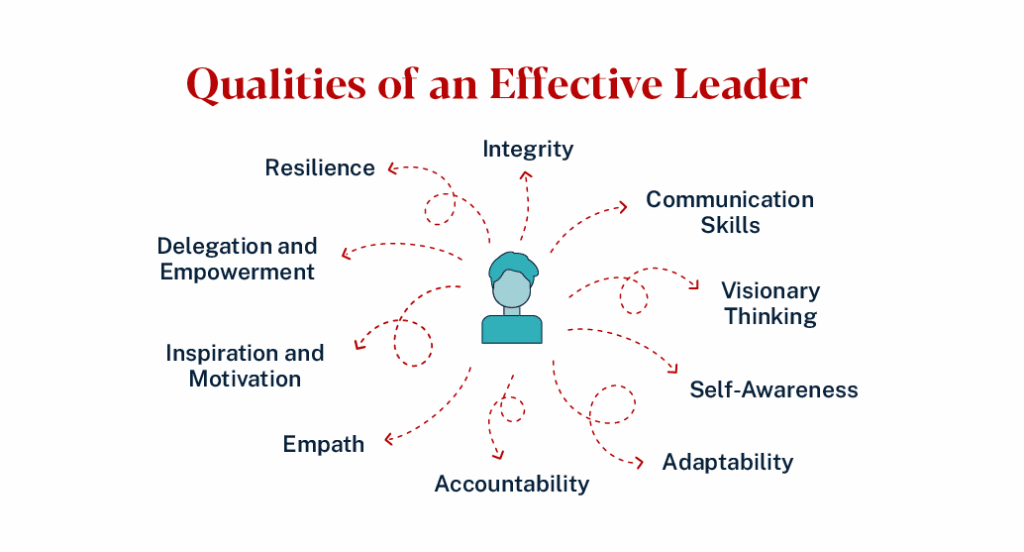
Qualities of Effective Leaders in the Workplace
Ask people to list qualities of a good leader and you’ll get the same recycled words every time — “visionary,” “inspiring,” “charismatic.”…
Open resource →