
Qualities of Effective Leaders in the Workplace
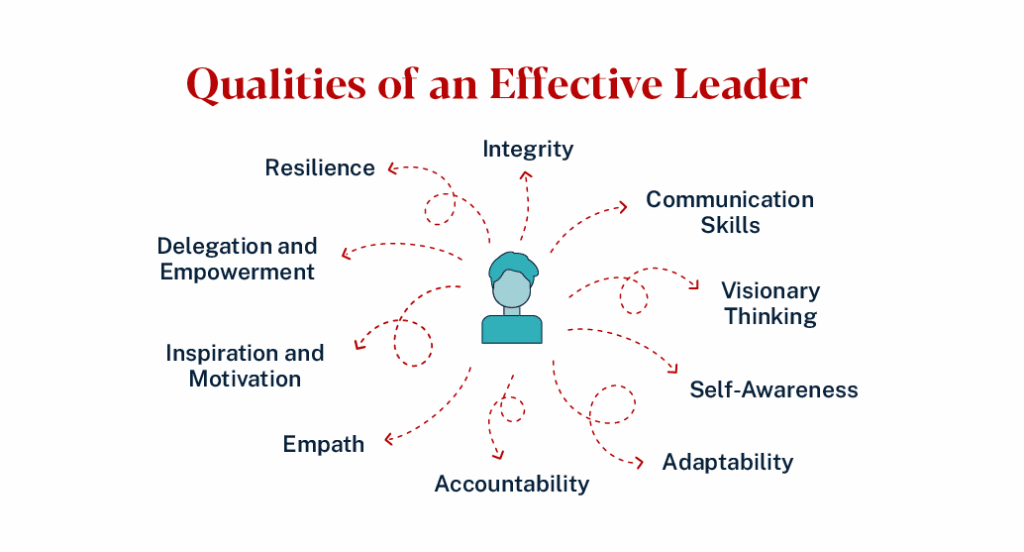
Ask people to list qualities of a good leader and you’ll get the same recycled words every time — “visionary,” “inspiring,” “charismatic.” Honestly, some of the best leaders I’ve worked with were quiet, a bit awkward in meetings, and nowhere close to charismatic. What actually made them effective was something else entirely.
Consistency Beats Charisma
A leader who’s warm one day and dismissive the next creates constant anxiety in a team, no matter how inspiring their big speeches are. Predictability, oddly enough, builds more trust than charm.
Quick answer: The core qualities of a good leader include consistency in behavior, genuine listening, decisiveness under uncertainty, accountability for mistakes, and the ability to develop other people rather than just directing them.
Listening That’s Actually Genuine
There’s a difference between listening to respond and listening to understand. I’ve sat in meetings where a manager nodded through an entire concern, then did exactly what they’d already planned. Teams notice this fast, and it erodes trust quietly over time.
Decisiveness, Even With Incomplete Information
Good leaders don’t wait for perfect data before deciding — because perfect data rarely exists. They make the best call with available information, then adjust course if needed, rather than freezing indefinitely.
Owning Mistakes Publicly
This one’s rare, and it stands out precisely because it’s rare. Leaders who say “that was my call, and it didn’t work, here’s what we do next” build far more credibility than ones who quietly shift blame downward.
Developing People, Not Just Directing Them
- Giving credit publicly, correction privately
- Delegating real responsibility, not just tasks
- Actively creating growth opportunities for team members, even at some short-term cost to output
Emotional Steadiness Under Pressure
When a project is falling apart, teams look at the leader’s face before they look at the data. A leader who stays calm (not fake-calm, genuinely steady) helps the whole team think more clearly during a crisis.
Clarity Over Cleverness
I’ll be honest — some leaders love sounding smart more than being understood. The best ones simplify complex situations so their team knows exactly what to do next, even under pressure. [link to related guide on corporate culture here]
Related resource: How to Lead a Remote Team Successfully”
Self-Awareness About Blind Spots
No leader is good at everything. Effective leaders actively seek feedback about their own weak spots and build teams that compensate for them, instead of pretending those gaps don’t exist.
FAQ
Are good leaders born or made? Most leadership qualities are developed through experience, feedback, and deliberate practice — very few people are “natural leaders” from day one.
What’s the difference between a manager and a leader? Managers primarily coordinate tasks and processes; leaders additionally influence direction, motivation, and long-term team development.
Is charisma necessary to be an effective leader? No — many highly effective leaders are quiet or reserved; consistency and trust matter far more than charisma.
How important is emotional intelligence in leadership? Very important — it directly affects how leaders handle conflict, feedback, and team morale, especially during difficult periods.
Can introverts be effective leaders? Absolutely — introverted leaders often excel at listening deeply and making thoughtful, less reactive decisions.
Conclusion: Real qualities of a good leader rarely match the dramatic, inspiring image often portrayed. Consistency, honest ownership of mistakes, and genuine listening matter far more day-to-day. Pick one trait from this list you’re currently weakest at, and ask a trusted colleague for honest feedback on it this week.
Related Posts
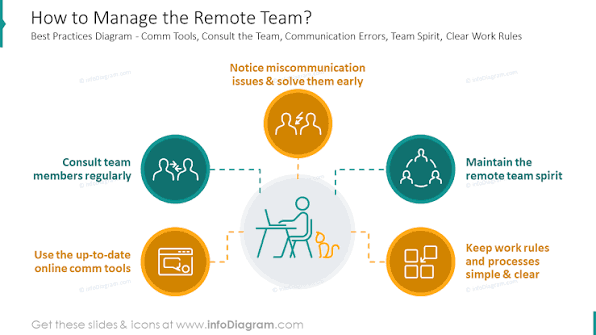
How to Lead a Remote Team Successfully”
A lot of managers still treat remote work as a temporary inconvenience rather than a real skill to build. If you want…
Open resource →