
Finding the Right Commercial Dumpster for Everyday Business Waste
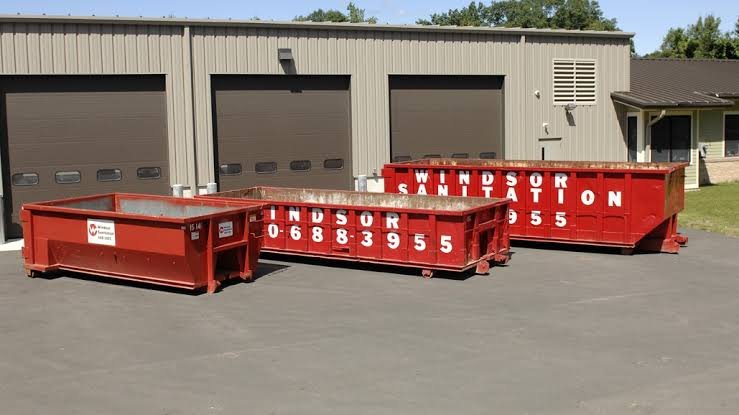
Waste is one of those business expenses nobody gets excited about, yet every business has to deal with it. Boxes arrive, products get unpacked, employees throw things away, customers leave behind packaging, and before long the dumpster is full again.
For a small office, waste management may be fairly simple. A busy restaurant, retail property, apartment community, or warehouse is a different story. These places can generate significant amounts of waste every day, and when the disposal setup isn’t right, the problem becomes noticeable very quickly.
Overflowing containers don’t look good. They can create odors, attract pests, interfere with employees, and even make a property feel less cared for.
Choosing the right commercial dumpster can help prevent those headaches. The trick is not simply picking the biggest container available. It’s understanding how much waste your business produces, what kind of material it generates, and how often that material needs to be removed.
Look at Your Actual Waste Habits
Before choosing a dumpster, spend some time observing your current waste flow.
How quickly does the existing container fill? Are there certain days when waste production increases? Do deliveries create large amounts of cardboard? Are employees disposing of bulky materials that take up more space than expected?
These details tell you more than a quick guess ever will.
A restaurant might have a steady stream of food-related waste and packaging. A retail store may produce large volumes of cardboard during inventory deliveries. An office might generate relatively little waste but still need additional capacity during a relocation or renovation.
Your business’s habits should guide the decision.
Understanding Smaller Commercial Containers
Not every commercial property needs a massive dumpster.
For businesses with moderate waste volumes, a 6-yard commercial dumpster can provide useful capacity while still fitting into many service areas.
The actual suitability depends on the provider’s specifications, collection frequency, and the type of waste being discarded.
A smaller container can be particularly practical when space is limited. Parking areas, loading zones, and service alleys are valuable real estate for many businesses, so taking up more room than necessary isn’t always a smart trade-off.
The right size should fit both your waste volume and your property.
When More Capacity Makes Sense
Some businesses simply produce more waste.
Related resource: Making Tap Water More Enjoyable Without Overcomplicating It
A busy retail center, large office complex, grocery operation, or commercial facility may quickly outgrow smaller containers.
An 8-yard commercial dumpster can provide additional capacity for operations where waste accumulates steadily throughout the week.
The important thing is to avoid judging capacity based solely on the physical size of your building. Two businesses occupying similar spaces can generate completely different amounts of waste.
Employee count, customer traffic, packaging, deliveries, product type, and operating hours all play a role.
Think About Collection Frequency
Dumpster size and pickup frequency work together.
A smaller container collected frequently can sometimes be more practical than a larger container collected less often.
For example, a business with limited storage space might prefer frequent pickups so waste doesn’t sit around for long periods. Another business may have enough space to hold a larger volume between collections.
Ask yourself what creates the bigger problem: limited dumpster capacity or the need for more frequent service?
The answer can help determine the most practical arrangement.
Temporary Projects Need a Different Strategy
Daily business waste isn’t the only reason a company might need a dumpster.
Renovations, office moves, seasonal cleanouts, landscaping work, and property improvements can create far more waste than normal operations.
That’s where temporary dumpster rentals can become useful.
Rather than trying to squeeze project debris into the regular commercial container, a temporary roll-off dumpster can provide dedicated space for the extra material.
This keeps everyday waste separate from construction or cleanup debris and makes the project easier to manage.
Don’t Mix Everything Together
Different waste streams can have different disposal requirements.
Cardboard, scrap metal, electronics, construction debris, food waste, and hazardous materials shouldn’t automatically be treated as one category.
Related resource: Understanding Iron, Sulfur, and Sediment in Well Water
Some materials may be recyclable. Others may require special disposal.
Before beginning a large cleanup or renovation, ask the provider what materials are accepted in the container.
If employees regularly use the dumpster, clear instructions can help prevent accidental contamination.
Simple signs near the disposal area can go a long way.
Weight Matters More Than Many Businesses Expect
Volume isn’t the only issue.
A dumpster filled with lightweight cardboard may be bulky without being particularly heavy. A smaller amount of concrete, brick, tile, or soil can weigh considerably more.
This distinction matters because dumpsters and hauling equipment have weight limitations.
If your business is renovating a building or removing heavy materials, mention those materials when arranging service.
Don’t wait until the container is full to discover that the load is too heavy.
Location Can Affect Daily Operations
The dumpster should be accessible without becoming an obstacle.
For a commercial property, consider employee traffic, customer access, loading docks, delivery vehicles, fire lanes, and maintenance areas.
The collection truck also needs enough room to approach and remove the container safely.
Think about weather, too. A location that works in dry conditions might become muddy or difficult to access after heavy rain.
For permanent commercial service, a little thought about placement can make daily waste disposal almost invisible.
That’s usually what you want.
Related resource: Strange Smells and Cloudy Water: What Your Well Might Be Trying to Tell You
Keep the Area Around the Dumpster Clean
Even the right-sized dumpster won’t solve every housekeeping problem.
Loose cardboard, bags, broken packaging, and other debris can accumulate around the container if employees don’t load material properly.
Make it someone’s responsibility to check the area regularly.
Keep walkways clear. Break down large boxes when appropriate. Don’t allow waste to pile above the permitted fill line.
A clean disposal area sends a subtle message about the property as a whole. Customers may never consciously notice it, but they can certainly notice when it looks neglected.
Train Employees on Proper Disposal
Waste management works better when everyone understands the system.
Employees should know what belongs in the dumpster and what should be separated. They should also understand basic safety rules.
Never place hazardous materials into a standard dumpster unless the provider specifically permits them.
Paint, chemicals, batteries, fuels, pesticides, certain electronics, and other restricted materials may need separate handling.
If your business regularly handles unusual materials, create a simple disposal guide and keep it somewhere employees can easily access.
Plan for Seasonal Changes
Waste volume isn’t always consistent.
Retailers often experience dramatic increases around holidays. Restaurants may become busier during local events. Landscaping businesses generate more debris during certain seasons.
Even office buildings can see changes during annual cleanouts or moves.
If your waste volume changes temporarily, consider adjusting pickup frequency or arranging a temporary container instead of permanently increasing your regular service.
There’s no reason to pay for extra capacity all year if you only need it for a few weeks.
Watch for Signs That Your Dumpster Is Too Small
Your dumpster is probably undersized if employees frequently leave bags beside it, cardboard piles up around the container, or the dumpster reaches capacity well before scheduled pickup.
Related resource: A Closer Look at the Small Details Behind Better Drinking Water
Those signs shouldn’t be ignored.
Overflowing waste can create sanitation issues and make the property look poorly managed.
Before simply ordering a larger container, determine why the current one isn’t sufficient.
Maybe pickups need to happen more often. Maybe recyclable cardboard is taking up unnecessary space. Maybe seasonal waste is temporarily increasing.
Find the cause before changing the solution.
Avoid Choosing a Container That’s Too Large
Oversizing has drawbacks, too.
A very large dumpster can consume valuable parking or service space. It may also cost more without providing meaningful benefits if your business rarely fills it.
Think about average usage rather than the biggest amount of waste you’ve ever produced.
Occasional peaks can often be handled through temporary service or additional pickups.
The best setup isn’t necessarily the largest. It’s the one that matches normal operations while allowing enough flexibility for predictable changes.
Renovation Waste Deserves Special Attention
Commercial remodeling can completely change a property’s waste profile.
Removing flooring, walls, cabinets, ceilings, fixtures, and other materials can create a tremendous amount of debris.
If you’re planning renovation work, don’t assume your everyday commercial dumpster will handle the project.
Discuss the project separately with your waste provider. Explain what will be removed, how much material you expect, and whether heavy debris is involved.
This allows you to arrange suitable capacity before demolition begins.
Related resource: What Your Drinking Water Is Telling You About Its Quality
Think Beyond the Dumpster
A dumpster is one part of a broader waste strategy.
Look for opportunities to reduce waste before it reaches the container. Recycle cardboard and paper where practical. Donate usable furniture during office cleanouts. Reuse shipping materials when possible.
Even small changes can reduce the amount of material your business sends for disposal.
Over time, those reductions can affect how much dumpster capacity you actually need.
Reassess as Your Business Grows
A waste setup that worked two years ago may not fit today.
New employees, expanded operations, additional customers, longer operating hours, or a second location can all increase waste production.
Review your dumpster service periodically.
If you’re constantly dealing with overflow, it’s time to investigate. If your container is almost always empty, you may have an opportunity to reduce capacity or adjust the pickup schedule.
Waste management should grow with the business, not remain frozen in place.
The Best Dumpster Is the One That Fits the Reality
Choosing commercial dumpster capacity doesn’t have to be complicated.
Start by looking at your actual waste habits. Consider the materials involved, the available property space, collection frequency, seasonal changes, and any upcoming projects.
For everyday waste, the right permanent container can keep operations running smoothly. For renovations, cleanouts, or other temporary increases, additional capacity can prevent project debris from overwhelming normal service.
Most importantly, don’t wait until waste is spilling onto the ground to rethink the arrangement.
A well-planned dumpster setup works quietly in the background. Employees know where waste belongs, the property stays cleaner, and managers don’t have to make waste overflow another item on an already long to-do list.
That’s the real goal—not having the biggest dumpster, but having a waste system that simply works.
Related Posts
Making Tap Water More Enjoyable Without Overcomplicating It
There’s a particular kind of disappointment that comes from filling a glass of water at home and realizing it doesn’t taste quite…
Open resource →
Understanding Iron, Sulfur, and Sediment in Well Water
There’s a funny thing about water: the more ordinary it looks, the less we tend to question it. Fill a glass, hold…
Open resource →
Strange Smells and Cloudy Water: What Your Well Might Be Trying to Tell You
The first time you notice something strange about your water, it’s usually a small moment. You turn on the kitchen faucet and…
Open resource →