
How the Right Water Treatment Setup Can Make Everyday Life Easier
Most people don’t think much about their household water until it starts causing trouble. One day, everything seems normal. Then you notice white spots on the shower glass, a crust around the faucet, or a strange taste in your morning coffee. Maybe the laundry feels different, too.
None of these things necessarily means there’s a major problem. But they can be signs that your water has characteristics worth understanding.
And once you start noticing them, it’s hard to unsee them.
The good news is that improving household water doesn’t have to involve turning your home into a maze of complicated equipment. The right approach starts with understanding what your water needs and choosing treatment that actually matches those needs.
Begin With the Problem, Not the Product
It’s easy to get carried away when looking at water-treatment equipment.
There are sleek filtration units, large softeners, reverse osmosis systems, electronic controls, replacement cartridges, and plenty of technical language. A product can look impressive and still be completely wrong for your water.
Before choosing anything, think about what you’re trying to change.
Is hard water leaving scale behind? Does your drinking water have an unpleasant taste? Are you concerned about sediment or a specific contaminant? Are you dealing with private well water that changes from season to season?
These are different problems, and they don’t necessarily need the same solution.
A water test can be a useful starting point when you’re unsure. Instead of guessing, you get information that can guide the next step.
Reverse Osmosis Has a Specific Role
When people hear the phrase “water purification,” reverse osmosis often comes to mind.
Related resource: Making Tap Water More Enjoyable Without Overcomplicating It
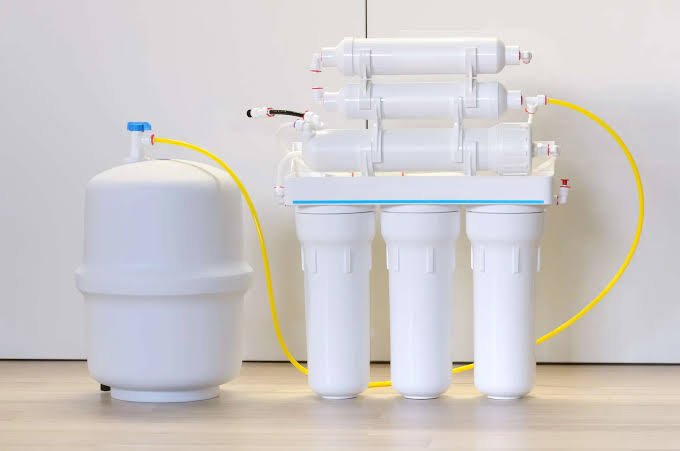
The technology uses a semipermeable membrane to separate water from many dissolved substances. Depending on the equipment and incoming water, it can reduce a broad range of dissolved contaminants.
Modern reverse osmosis units are commonly installed beneath kitchen sinks, with treated water delivered through a separate faucet.
That setup makes sense for households that want additional treatment for water used directly for drinking and cooking. There’s no need to send every shower or washing-machine cycle through a point-of-use drinking-water system.
It’s a more targeted approach.
Of course, reverse osmosis isn’t magic, and the membrane and filters need regular maintenance. But when matched to an appropriate water-quality concern, it can be a very useful part of a household treatment plan.
Hard Water Has a Habit of Showing Up Everywhere
Hard water doesn’t always make itself obvious in a glass.
Instead, it tends to leave clues around the house.
You may find cloudy spots on dishes, mineral rings around faucets, or deposits on showerheads. Soap and shampoo may behave differently. Water heaters and other appliances can also be affected by mineral scale over time.
The main minerals involved are usually calcium and magnesium.
A water softener can reduce these minerals through ion exchange. The result is often noticeably different water behavior, especially in homes that have been dealing with hardness for years.
It’s not about making water “better” in some universal sense. It’s about addressing a specific characteristic that may be creating practical problems.
Related resource: Understanding Iron, Sulfur, and Sediment in Well Water
What Softer Water Can Change
The phrase softer water throughout the home sounds simple, but the everyday effects can reach more places than people expect.
Bathrooms may be easier to clean because there’s less mineral residue. Dishes can come out of the dishwasher with fewer spots. Soap may lather more easily, and laundry can feel different after washing.
You might also spend less time attacking stubborn deposits around fixtures.
These aren’t dramatic changes, and that’s partly why they can be overlooked.
Nobody throws a party because the showerhead stayed cleaner this month.
But when several small improvements happen at once, the difference becomes noticeable. Home maintenance can feel a little less repetitive. That’s valuable, especially in a busy household.
Scale Is More Than a Cleaning Problem
Mineral buildup is annoying because it looks bad, but appearance isn’t the whole story.
Scale can accumulate inside plumbing components and water-using appliances. Over time, deposits can interfere with normal operation and make equipment work harder.
Reducing hardness can therefore help address the conditions that contribute to those deposits.
The goal is reduced scale and buildup, particularly in places where mineral deposits are most noticeable.
This doesn’t mean every appliance will suddenly last forever. Household equipment still needs proper maintenance, and other factors can affect its lifespan.
Still, managing hard water can remove one recurring source of trouble.
Related resource: Strange Smells and Cloudy Water: What Your Well Might Be Trying to Tell You
Your Kitchen May Benefit From a Different Approach
The kitchen is where many homeowners become more particular about water quality.
Taste matters when you’re drinking a glass of water, making coffee, cooking rice, or preparing soup. Even if the water is technically suitable for use, an unpleasant taste can make you reach for bottled water instead.
Point-of-use filtration can be a practical alternative.
Depending on the water and the treatment technology, carbon filtration, reverse osmosis, or another approach may improve taste and address specific concerns.
The important thing is to know what the equipment is designed to reduce.
“Filtered” doesn’t automatically mean “removes everything.” Treatment claims should always be understood in context.
Don’t Forget About Maintenance
A water-treatment system isn’t something you install and then completely forget.
Filters need replacement. Softener salt needs replenishing when applicable. Reverse osmosis membranes eventually need changing. Connections and components may require inspection.
Fortunately, routine maintenance doesn’t have to be complicated.
Keep a basic record of when filters were replaced. Check supply levels periodically. Pay attention to changes in taste, odor, water pressure, or system performance.
If something suddenly changes, investigate.
Related resource: A Closer Look at the Small Details Behind Better Drinking Water
A small maintenance issue is generally easier to handle than a system that’s been quietly underperforming for months.
Think About Long-Term Convenience
When comparing systems, homeowners often focus heavily on installation price.
That’s understandable. Nobody wants to spend more than necessary.
But ongoing costs matter too.
Consider filter replacements, salt, electricity, service appointments, replacement parts, and warranty coverage. A system that looks inexpensive at first may require more frequent attention.
Also consider your own habits.
If you travel frequently or have a busy schedule, a system with simple maintenance may be more appealing than one that requires frequent manual attention.
The best equipment isn’t necessarily the one with the longest feature list. It’s the one that fits your actual household.
Good Treatment Shouldn’t Make Life More Complicated
One of the easiest mistakes is overcomplicating the solution.
If a water test identifies hardness as the main concern, start there. If drinking water is the issue, look at point-of-use treatment. If sediment is the problem, consider appropriate filtration.
There’s no need to install five different technologies simply because they exist.
Related resource: What Your Drinking Water Is Telling You About Its Quality
Sometimes, a simple setup maintained properly will outperform a complicated setup that nobody remembers to service.
That may not sound particularly exciting, but it’s practical.
Make Water Quality Part of Your Home Maintenance Routine
We already maintain so many things in our homes — air conditioners, refrigerators, plumbing fixtures, appliances, roofs, filters. Water treatment deserves the same basic attention.
It doesn’t need to become a major project.
Test when necessary. Keep equipment maintained. Replace consumables on schedule. Watch for changes. And don’t hesitate to get professional advice when the problem isn’t obvious.
The payoff is more than cleaner-looking fixtures.
It’s convenience.
When water behaves the way you expect, everyday tasks become a little easier. You spend less time fighting mineral deposits and wondering why something tastes different. Your treatment equipment quietly does its job in the background.
And really, that’s what good home water treatment should feel like.
Not complicated. Not intrusive.
Just a sensible improvement that makes the house work a little better for the people living in it.
Related Posts
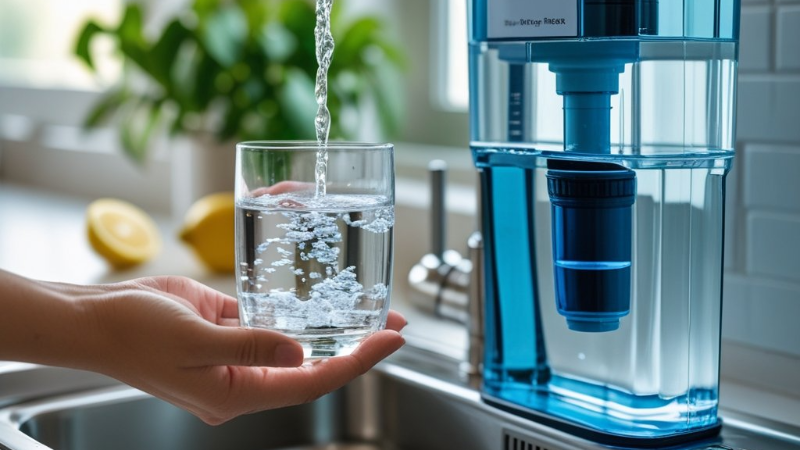
Making Tap Water More Enjoyable Without Overcomplicating It
There’s a particular kind of disappointment that comes from filling a glass of water at home and realizing it doesn’t taste quite…
Open resource →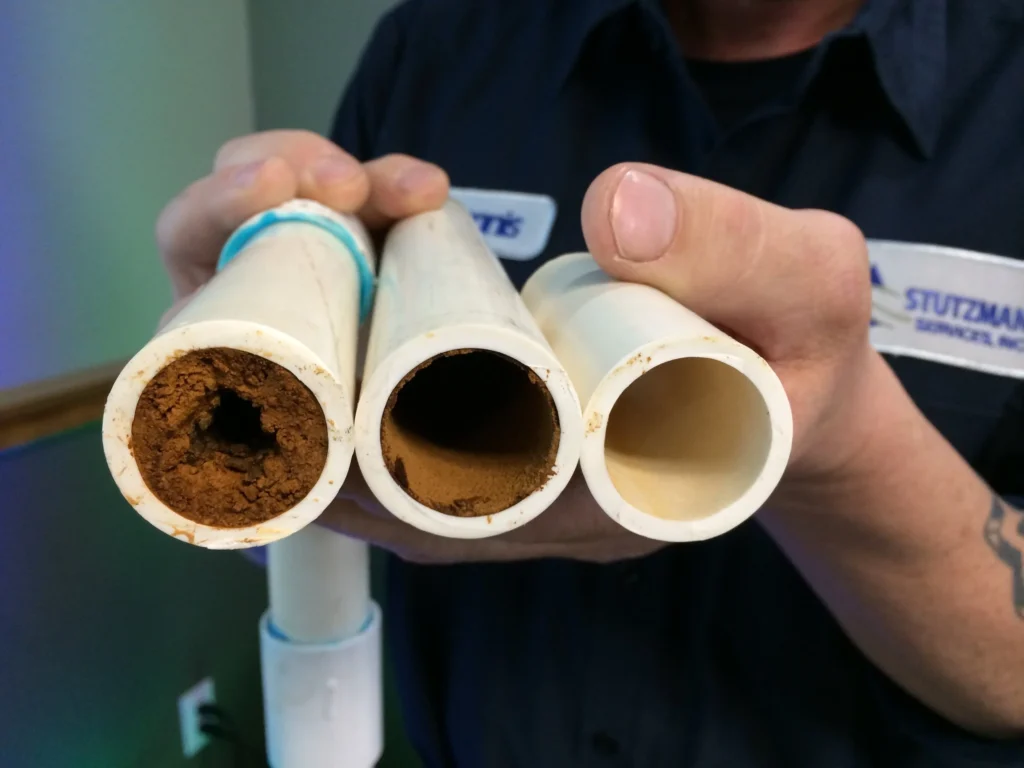
Understanding Iron, Sulfur, and Sediment in Well Water
There’s a funny thing about water: the more ordinary it looks, the less we tend to question it. Fill a glass, hold…
Open resource →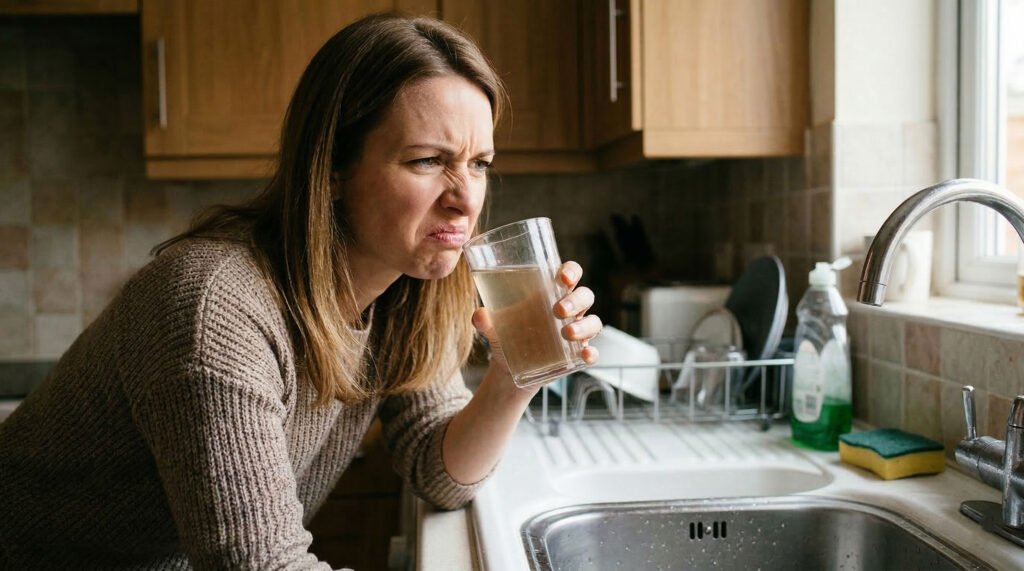
Strange Smells and Cloudy Water: What Your Well Might Be Trying to Tell You
The first time you notice something strange about your water, it’s usually a small moment. You turn on the kitchen faucet and…
Open resource →