
Keeping a Private Well Reliable From the Ground Up
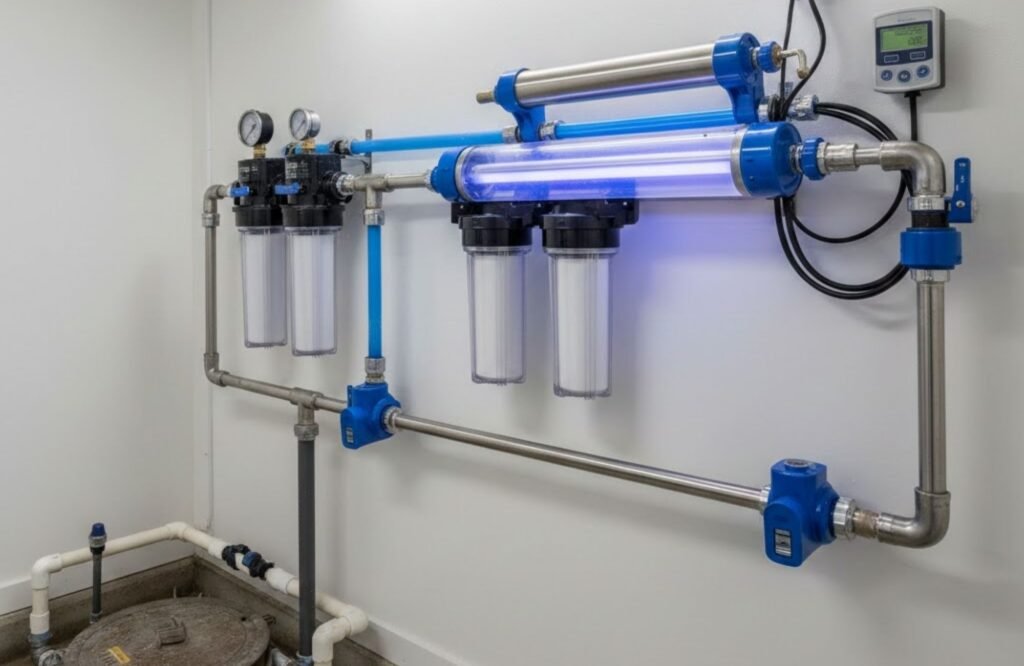
Having a private well can feel like one less utility bill to worry about, but it also comes with a responsibility that city-water users rarely think about. The water doesn’t simply arrive from somewhere else. It comes from a system on your property, and that system needs attention.
Most of the time, a well quietly does its job. You turn on the kitchen faucet, the pressure is there, and the water looks perfectly normal. Then one morning the shower pressure drops, the toilet develops an orange stain, or the water starts tasting different. Suddenly, the well is very much on your mind.
Fortunately, good well care is less about reacting to emergencies and more about preventing them.
Start With the Water Underground
Groundwater moves through soil and rock before it reaches a well. Along the way, it can pick up naturally occurring minerals and other substances.
That’s why two neighboring properties can have noticeably different water quality. One household might have relatively soft water, while another deals with hardness, iron or sulfur odors.
Water testing provides a useful snapshot of what’s happening. It can help homeowners understand whether a concern comes from mineral content, sediment, microorganisms or another water-quality characteristic.
Testing is especially important when the taste, odor, appearance or behavior of the water changes unexpectedly.
Hard Water Can Wear on a Household
If your faucets have a chalky ring around them, you’ve probably seen the effects of hard water.
Calcium and magnesium are responsible for most water hardness. These minerals aren’t usually considered dangerous at typical levels, but they can be a persistent nuisance. They leave scale on fixtures, affect how soap behaves and can accumulate inside water heaters and appliances.
Related resource: Making Tap Water More Enjoyable Without Overcomplicating It
For homeowners dealing with significant hardness, well water softening can help reduce calcium and magnesium through ion exchange.
The right equipment depends on the actual hardness level and household water usage. A system that’s too small may struggle to keep up, while an unnecessarily large system can increase purchase and operating costs.
It’s better to size the treatment around real demand than guess.
Your Well Needs Attention Too
Water treatment equipment often gets all the attention, but the well itself is just as important.
A damaged well cap, compromised casing or poor drainage around the well can create opportunities for unwanted material to enter the water supply. Vegetation, standing water and nearby contamination sources can also deserve attention.
Routine well inspection & maintenance can help identify problems before they become expensive or affect water quality.
A professional inspection may look at visible components, electrical connections, pressure equipment and other parts of the system. Testing can then provide information about the water itself.
Think of it like maintaining a car. You don’t wait for the engine to seize before checking the oil.
Pressure Problems Are Often a Clue
Few things are more annoying than stepping into the shower and realizing the water pressure has suddenly dropped.
Pressure problems can have several causes. A clogged filter might be restricting flow. A failing pressure switch could be involved. There may be an issue with the pump, pressure tank or plumbing.
Related resource: Understanding Iron, Sulfur, and Sediment in Well Water
This is why it’s useful to look at the whole system rather than immediately replacing one component.
well pumps & pressure tanks work together to deliver water and maintain pressure throughout the household. The pump moves water from the well, while the pressure tank helps regulate supply and reduce the need for the pump to start every time a faucet opens.
When either component isn’t working correctly, the symptoms can be frustratingly inconsistent.
Listen to What the Pump Is Doing
Your well pump should not constantly cycle on and off.
Frequent cycling can place additional stress on the pump and electrical components. A failing pressure tank, incorrect pressure settings, a leak or excessive water demand can all contribute to the problem.
If you hear the pump starting repeatedly while nobody is using much water, don’t ignore it.
Likewise, strange noises, unusually long run times or a sudden change in pressure deserve attention.
Small mechanical symptoms are often easier—and cheaper—to address than a complete system failure.
Sediment Can Cause Trouble Downstream
Some wells naturally contain sand, silt or other suspended particles.
You might notice cloudy water, grit around faucet aerators or sediment collecting in filters. Even when the quantity seems small, particles can affect fixtures and appliances over time.
Related resource: Strange Smells and Cloudy Water: What Your Well Might Be Trying to Tell You
A sediment filter can help capture suspended material before it travels through the home’s plumbing.
But filter selection matters. A filter that’s too fine can restrict flow quickly, while one that’s too coarse may not capture the particles you’re concerned about.
The goal isn’t to filter everything imaginable. It’s to use the right level of filtration for the actual water.
Iron and Sulfur Have Their Own Personalities
Iron is a common well-water concern. It can create orange or reddish staining and sometimes a metallic taste.
Sulfur compounds, meanwhile, are famous for producing that unmistakable rotten-egg odor.
These problems can be treated, but the treatment method depends on the form and concentration of the substance involved.
For example, dissolved iron may require a different approach from visible iron particles. Sulfur odor may also have different causes depending on whether the problem appears in cold water, hot water or both.
A water test can prevent a lot of trial and error.
Don’t Forget the Water Heater
Well-water problems don’t stop at the faucet.
Water heaters are especially vulnerable to mineral scale because heating water encourages deposits to form. Over time, that buildup can affect performance and increase maintenance needs.
Related resource: A Closer Look at the Small Details Behind Better Drinking Water
If your home has hard water, regular water-heater maintenance becomes even more worthwhile.
The same principle applies to dishwashers, washing machines and other appliances that regularly use water.
Protecting equipment isn’t just about extending its life. It can also reduce the number of annoying repairs that seem to appear at the worst possible moment.
Keep an Eye on the Well Area
The area immediately surrounding a well deserves some attention.
Make sure surface water isn’t collecting around the wellhead. Keep the area reasonably clear and avoid activities that could introduce contaminants nearby.
The exact requirements can vary depending on local regulations, well construction and property conditions, so homeowners should follow applicable guidance.
After major flooding or another event that could affect the well, additional inspection and water testing may be appropriate.
Clear water isn’t proof that everything is fine. Some problems don’t change the appearance of the water at all.
Know When to Call a Professional
There are plenty of simple maintenance tasks homeowners can handle, but well systems aren’t always DIY-friendly.
Electrical components, pressure settings, pumps and treatment equipment can require specialized knowledge. If the pump is behaving strangely, pressure is repeatedly dropping or water quality has changed suddenly, professional evaluation can save time and prevent accidental damage.
Related resource: What Your Drinking Water Is Telling You About Its Quality
It’s also useful to have someone evaluate an older system before replacing individual components one by one.
Sometimes the most economical repair is the one that correctly identifies the problem the first time.
A Little Maintenance Goes a Long Way
Private wells don’t need constant attention. They do need consistent attention.
Test the water periodically. Watch for changes in taste, odor, color and pressure. Keep the well area maintained. Replace filters when necessary, and don’t ignore mechanical symptoms.
Most importantly, understand that water quality and well equipment are connected. A filtration system can’t compensate for every problem with the well itself, and a perfectly maintained pump can’t fix unsuitable water chemistry.
The strongest approach considers both.
A private well should feel dependable, not mysterious. With sensible testing, appropriate treatment and routine maintenance, it can provide reliable water for years.
And perhaps that’s the best part of well ownership: once you’ve taken care of the fundamentals, you can go back to doing what you were doing before. Turn on the tap. Fill the glass. Take the shower.
No drama. Just water, doing its job.
Related Posts
Making Tap Water More Enjoyable Without Overcomplicating It
There’s a particular kind of disappointment that comes from filling a glass of water at home and realizing it doesn’t taste quite…
Open resource →
Understanding Iron, Sulfur, and Sediment in Well Water
There’s a funny thing about water: the more ordinary it looks, the less we tend to question it. Fill a glass, hold…
Open resource →
Strange Smells and Cloudy Water: What Your Well Might Be Trying to Tell You
The first time you notice something strange about your water, it’s usually a small moment. You turn on the kitchen faucet and…
Open resource →