
Knowing When a Plumbing Problem Needs More Than a Quick Fix
Most plumbing problems don’t arrive with a dramatic warning. There’s usually no alarm, no flashing red light, nothing that tells you, “Hey, this is going to cost you money next Tuesday.”
Instead, there’s a slow drain. A tap that drips at night. A strange sound behind the wall. Hot water that doesn’t stay hot for long. Small things, easy to dismiss.
And that’s exactly why plumbing issues can become expensive.
A house depends on its plumbing every single day, yet most of the system remains hidden. Pipes run behind walls, drains disappear beneath floors, and the water heater sits quietly somewhere out of sight. When something starts behaving differently, paying attention early can make a big difference.
Don’t Ignore Strange Water Heater Behavior
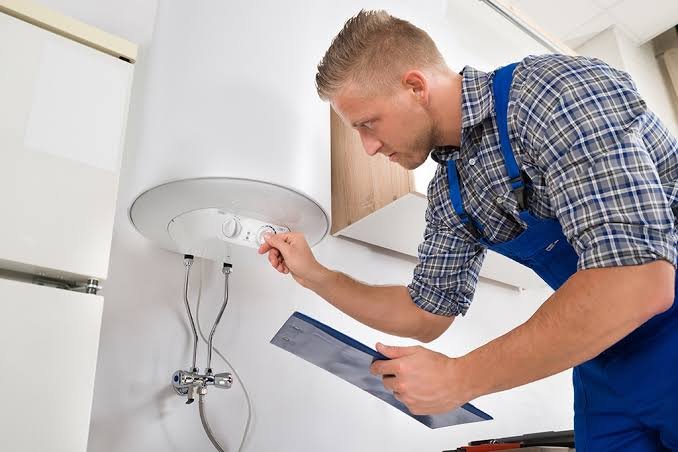
Water heaters tend to get noticed only when the shower suddenly turns cold.
Before that happens, there are often clues. The unit may make popping or rumbling noises. Hot water might run out faster than usual. The temperature could fluctuate, or the water may appear rusty or cloudy.
Sometimes the fix is simple. Other times, the equipment is reaching the end of its useful life.
Professional water heater repair & troubleshooting can help determine what’s actually happening before you spend money on a replacement. A technician can check the heating components, connections, controls and other relevant parts and then explain whether repair makes sense.
Replacing a water heater unnecessarily isn’t ideal, but neither is repeatedly repairing a unit that is clearly on its last legs.
Know When a Water Heater Is Aging
Even a well-maintained water heater eventually wears out.
Related resource: Making Tap Water More Enjoyable Without Overcomplicating It
Age alone doesn’t mean you need to replace it immediately, but an older unit combined with frequent repairs can change the calculation.
Look at the bigger picture. How much have you spent on repairs recently? Is the unit still meeting your household’s demand? Are you noticing leaks or corrosion? Are energy costs rising?
A replacement can sometimes be easier to justify when several warning signs appear together.
The goal isn’t to replace equipment just because it’s old. It’s to avoid being caught without hot water when the unit finally fails.
Pipes Don’t Last Forever
Plumbing pipes can have very long service lives, but their condition depends on materials, installation, water chemistry, age and environmental factors.
Corrosion, repeated leaks, low water pressure and visible deterioration may indicate that a pipe system needs more attention.
In some homes, replacing one damaged section is enough. In others, repeated problems suggest that the underlying piping has reached a point where piecemeal repairs are no longer the best approach.
That’s when repiping & pipe replacement may deserve serious consideration.
Repiping is a significant project, so it shouldn’t be recommended casually. A proper evaluation should consider the condition of the existing pipes, the frequency of failures and the expected service life of the materials involved.
The Hidden Cost of Repeated Repairs
There’s a psychological trap with plumbing repairs: fixing one small problem feels cheaper than tackling a larger issue.
Sometimes it is.
Related resource: Understanding Iron, Sulfur, and Sediment in Well Water
But imagine replacing the same section of pipe three times in two years. Add emergency service calls, water damage repairs and the inconvenience of dealing with leaks.
Suddenly, the “cheap” approach doesn’t look quite so cheap.
When failures keep happening in different areas of the same plumbing system, it’s worth stepping back and asking why.
A professional assessment can help distinguish normal isolated repairs from a pattern that suggests broader deterioration.
Drains Have a Way of Giving You Warnings
A drain rarely goes from perfect to completely blocked without any warning.
Usually, water starts draining more slowly. You may hear gurgling. There could be an unpleasant smell. One drain might back up whenever another fixture is used.
These signs can point to anything from a localized clog to a larger drainage problem.
The important thing is to avoid relying on harsh chemical drain cleaners as a long-term solution. They may provide temporary relief for some clogs but aren’t a substitute for diagnosing recurring blockages.
When Sewer Problems Enter the Picture
A household drainage issue becomes more concerning when several fixtures begin behaving strangely at the same time.
If multiple drains back up, toilets gurgle unexpectedly or wastewater appears where it shouldn’t, the issue may be farther down the line.
Sewer and drain issues can involve blockages, damaged pipes, tree-root intrusion, poor connections or other problems that require specialized diagnosis.
Related resource: Strange Smells and Cloudy Water: What Your Well Might Be Trying to Tell You
The location of the problem matters.
A slow kitchen sink is one thing. A basement floor drain backing up with wastewater is another.
If sewage is entering the home, treat the situation seriously and avoid unnecessary contact with contaminated water.
Don’t Forget About Older Sewer Lines
Homes with older sewer connections may have infrastructure that’s significantly different from modern installations.
Tree roots can enter damaged joints. Older pipes may crack or deteriorate. Shifting soil can affect underground connections.
Because much of the sewer line is hidden, homeowners may not realize there’s a problem until symptoms appear.
When recurring backups don’t respond to normal drain cleaning, a sewer camera inspection can sometimes provide valuable information about what’s happening underground.
Seeing the actual condition of the pipe can be far more useful than guessing.
Water Pressure Can Tell You Something
Low pressure isn’t always a plumbing emergency, but a sudden change deserves attention.
If the entire home experiences lower pressure, possible causes could include a supply issue, pressure regulator problem, plumbing restriction or other system-related concern.
Related resource: A Closer Look at the Small Details Behind Better Drinking Water
If only one fixture has poor pressure, the cause may be much simpler — perhaps a clogged aerator or localized valve issue.
The timing matters, too.
A gradual decline may point to buildup or aging components. A sudden drop may require a different kind of investigation.
Leaks Should Never Become “Normal”
A faucet that drips constantly may seem insignificant.
But repeated leaks are signals that something needs attention. Hidden leaks can be even more problematic because water can accumulate behind walls, beneath floors or inside cabinets before anyone notices.
Check under sinks occasionally. Look around toilets and water heaters. Pay attention to unexplained dampness or changes in flooring.
If your water bill rises without a clear reason, that’s another clue worth investigating.
Prevention Is Surprisingly Simple
You don’t need to become a plumbing expert to reduce problems.
Know where the main water shutoff is. Don’t ignore slow drains. Watch for changes in water pressure. Inspect visible pipes occasionally. Keep an eye on your water heater.
And if something keeps happening, don’t simply reset the clock by fixing the same symptom again.
Ask what is causing it.
Related resource: What Your Drinking Water Is Telling You About Its Quality
Choosing Repair or Replacement
One of the hardest plumbing decisions is knowing when repair stops making sense.
The answer depends on age, condition, repair history, replacement cost and the likelihood of another failure.
A trustworthy plumber should be able to explain the options rather than simply pushing one outcome.
If a repair can reasonably restore a healthy system, it may be the right choice. If the same component has failed repeatedly or the surrounding system is deteriorating, replacement may provide better long-term value.
Good Plumbing Work Should Make Problems Disappear
The best plumbing repair isn’t the one that looks impressive. It’s the one that solves the underlying problem and lets you stop thinking about it.
That means diagnosing before replacing, understanding the condition of existing pipes and recognizing when a recurring drain problem needs deeper investigation.
Your plumbing system doesn’t need constant attention. It just needs the right attention at the right time.
Notice the small signs. Deal with problems before they become emergencies. And when something keeps failing, step back and look at the bigger picture.
Because a dripping faucet may be nothing more than a dripping faucet.
But sometimes, it’s the first little clue that your home is asking for a closer look.
Related Posts
Making Tap Water More Enjoyable Without Overcomplicating It
There’s a particular kind of disappointment that comes from filling a glass of water at home and realizing it doesn’t taste quite…
Open resource →
Understanding Iron, Sulfur, and Sediment in Well Water
There’s a funny thing about water: the more ordinary it looks, the less we tend to question it. Fill a glass, hold…
Open resource →
Strange Smells and Cloudy Water: What Your Well Might Be Trying to Tell You
The first time you notice something strange about your water, it’s usually a small moment. You turn on the kitchen faucet and…
Open resource →