
Making Sense of Hard Water: Choosing a Softener That Fits Your Home
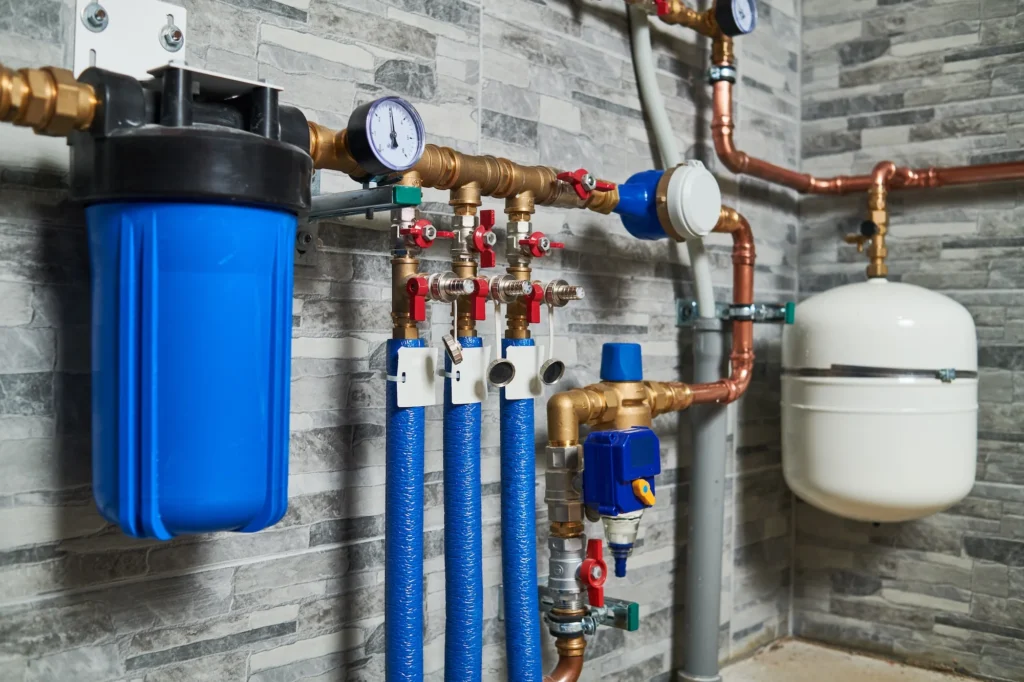
Hard water is rarely the kind of household problem that demands immediate attention. It doesn’t flood the kitchen or make the lights flicker. Instead, it creeps into everyday life in little ways.
A cloudy shower door. White spots on freshly washed dishes. A faucet that develops a rough, chalky edge. Maybe the water heater seems to need attention more often than it used to.
None of these things seems dramatic on its own. Put them together, though, and you may start wondering whether something is going on with the water.
Hardness comes primarily from dissolved calcium and magnesium. These minerals occur naturally in many water supplies, especially groundwater. While hard water is generally more of a household nuisance than an immediate health concern, prolonged exposure can create maintenance challenges.
The good news is that understanding the problem usually makes the solution much simpler.
Hard Water Doesn’t Look the Same in Every Home
Some households barely notice hardness. Others seem to fight mineral deposits constantly.
The difference often comes down to the concentration of hardness minerals in the water and how much water the household uses.
When hard water evaporates, minerals can remain on surfaces. When it’s heated, mineral deposits may form more readily inside equipment.
That’s why the first signs often appear around showerheads, faucets, kettles, dishwashers, and water heaters.
If you’ve ever cleaned a faucet only to find the same white residue returning a few days later, you’re seeing the effect firsthand.
Choosing Between Electric and Non-Electric Systems
Once testing confirms significant hardness, homeowners usually start looking at treatment options.
Electric / non-electric water softeners represent two broad approaches worth considering. Electric models commonly use electronic controls to manage regeneration and operating settings. Non-electric designs may rely on mechanical controls or water-powered operation.
Related resource: Making Tap Water More Enjoyable Without Overcomplicating It
Neither option is automatically right for every household.
An electric system can offer convenience and automation. A non-electric model may appeal to someone who prefers a simpler setup or doesn’t have convenient access to electrical power near the installation location.
When comparing them, look beyond the label. Consider capacity, regeneration method, water usage, maintenance, installation requirements, and long-term operating cost.
The best system is the one that fits your actual situation.
Why Scale Can Become a Plumbing Problem
Mineral deposits aren’t limited to the surfaces you can see.
Over time, scale buildup inside pipes can occur in plumbing systems exposed to hard water, although the severity depends on factors such as water chemistry, temperature, flow, and pipe material.
The same basic process responsible for deposits on faucets can also affect internal plumbing components and equipment.
A household may not notice immediately. Flow restrictions can develop gradually, and deposits may be difficult to identify without inspection.
This is one reason water hardness deserves attention even when the water looks perfectly clear.
Your Water Heater Takes the Heat—Literally
Water heaters are particularly relevant because they heat large quantities of water.
Heating can encourage mineral precipitation, allowing deposits to accumulate on components or surfaces inside the tank or heating system.
As deposits build, they can interfere with efficient heat transfer. In some situations, this may contribute to higher energy use or more frequent maintenance.
Related resource: Understanding Iron, Sulfur, and Sediment in Well Water
Softening the incoming water can reduce the hardness minerals responsible for traditional scale formation.
It doesn’t eliminate the need for water-heater maintenance, though. Flushing, inspections, temperature checks, and manufacturer-recommended servicing remain important.
Appliances Can Feel the Difference Too
Think about how many appliances use water every day.
Dishwashers, washing machines, coffee makers, kettles, humidifiers, and other equipment can all encounter the effects of hard water.
Some appliances heat water, making them especially susceptible to mineral deposits. Others may simply develop spots or residue.
A properly selected softener can help protect pipes and appliances by reducing the concentration of calcium and magnesium entering the home’s plumbing.
That’s not a guarantee that appliances will last forever. Age, mechanical wear, water temperature, maintenance, and usage all matter.
Still, reducing one source of mineral-related stress can be a worthwhile part of a broader maintenance strategy.
Start With a Water Test
Before buying anything, test the water.
It sounds almost too simple, but testing can save homeowners from making an expensive guess.
A proper analysis can determine the hardness level and may also identify other characteristics such as iron, manganese, pH, sediment, dissolved solids, or other concerns.
This matters because a softener treats hardness—not every possible water-quality issue.
Related resource: Strange Smells and Cloudy Water: What Your Well Might Be Trying to Tell You
For example, if your water has significant iron as well as hardness, the treatment approach may need to address both.
The test results should drive the equipment choice.
Size Matters More Than Most People Think
A water softener isn’t selected solely by the number of people in a house.
Household size is important, but so are water usage, hardness level, peak demand, and regeneration capacity.
A two-person home with several bathrooms may have different requirements from a five-person household with moderate usage.
An undersized system can regenerate more frequently and may struggle during periods of high demand. An oversized system may cost more than necessary.
The goal is balance.
A qualified installer can help calculate the appropriate capacity based on actual household conditions rather than relying on a generic “one size fits all” recommendation.
Think About Regeneration
Traditional salt-based softeners periodically regenerate the resin responsible for exchanging hardness minerals.
Regeneration requires water and typically salt or another regenerant.
How frequently the system regenerates depends on water hardness, household consumption, system capacity, and control settings.
Modern systems can be configured to improve efficiency, but homeowners should still ask practical questions.
Related resource: A Closer Look at the Small Details Behind Better Drinking Water
How much salt is expected to be used? How much water does regeneration require? Can the system adjust according to actual consumption?
Those details affect the cost of ownership.
Installation Is Part of the Decision
A softener needs more than an empty corner.
The installation location should provide appropriate plumbing connections, drainage where required, adequate space for servicing, and suitable access for maintenance.
Electrical models need a power source. Regeneration-based systems need appropriate drainage.
The plumbing should also include a practical bypass arrangement so the system can be serviced without unnecessarily disrupting the home’s water supply.
A rushed installation can undermine an otherwise good system.
Maintenance Keeps the System Useful
Once the softener is installed, it still needs attention.
Traditional systems require salt monitoring. Components should be inspected, settings checked, and servicing performed according to the equipment manufacturer’s recommendations.
If filters are part of the overall treatment setup, they need replacement too.
Pay attention to changes. If water starts behaving differently, mineral deposits return quickly, or pressure changes, investigate rather than assuming the system is simply getting old.
A small service issue is usually easier to resolve than a neglected system that has been struggling for months.
Related resource: What Your Drinking Water Is Telling You About Its Quality
Is a Water Softener Worth It?
That depends on your water and your priorities.
If hardness is low and you aren’t experiencing noticeable problems, a softener may not offer enough benefit to justify the expense.
If mineral deposits are persistent, appliances are affected, and cleaning has become a constant battle, treatment may make considerably more sense.
The decision should be based on evidence rather than fear.
Test the water. Understand the hardness level. Identify other concerns. Compare equipment based on capacity, efficiency, maintenance, and installation.
Better Water Is Usually About Less Work
A good water softener doesn’t need to become the center of household life.
Ideally, it works quietly in the background.
The showerhead stays cleaner for longer. Faucets require less scrubbing. Appliances deal with fewer hardness-related deposits. Soap behaves more predictably. You spend a little less time fighting the consequences of the water.
That’s the real value of treating hard water.
Not fancy equipment. Not complicated technology.
Just a sensible system, correctly sized and properly maintained, that makes the everyday business of running a home a little easier.
Related Posts
Making Tap Water More Enjoyable Without Overcomplicating It
There’s a particular kind of disappointment that comes from filling a glass of water at home and realizing it doesn’t taste quite…
Open resource →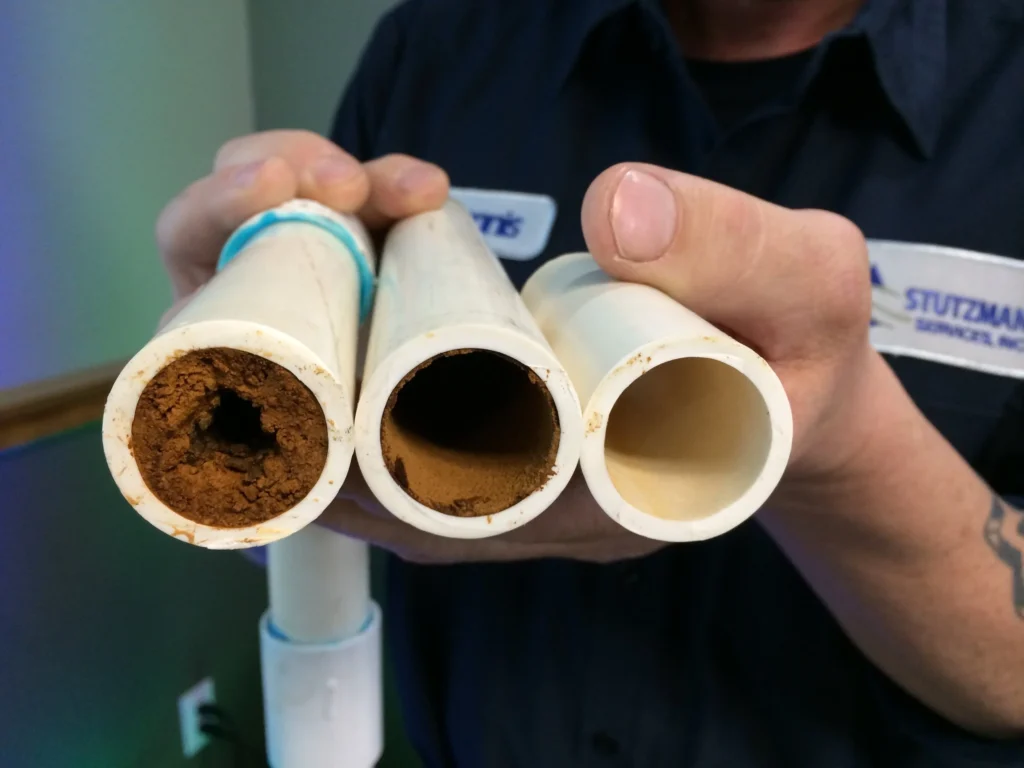
Understanding Iron, Sulfur, and Sediment in Well Water
There’s a funny thing about water: the more ordinary it looks, the less we tend to question it. Fill a glass, hold…
Open resource →
Strange Smells and Cloudy Water: What Your Well Might Be Trying to Tell You
The first time you notice something strange about your water, it’s usually a small moment. You turn on the kitchen faucet and…
Open resource →