
Making Tap Water More Enjoyable Without Overcomplicating It
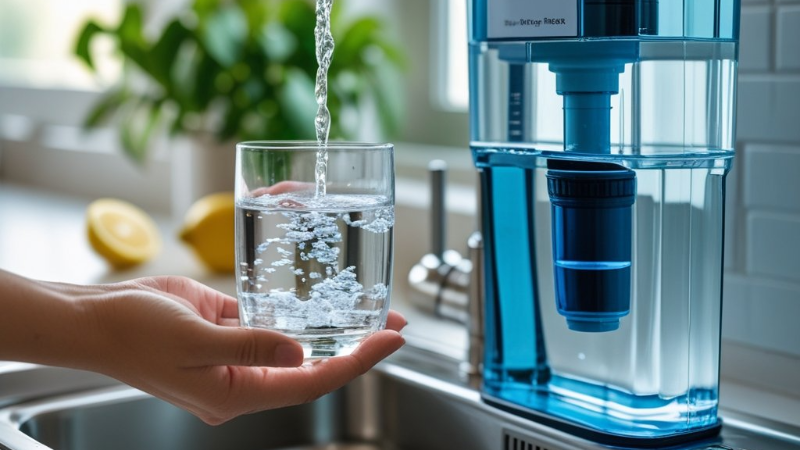
There’s a particular kind of disappointment that comes from filling a glass of water at home and realizing it doesn’t taste quite right. Maybe there’s a faint chlorine smell. Perhaps the water has a slightly metallic note, or it just doesn’t taste as fresh as you’d hoped.
Nothing seems dramatically wrong, yet you keep reaching for something else to drink.
That little hesitation matters. Water is something we use constantly, from the first cup of coffee in the morning to cooking dinner at night. When the taste or smell puts you off, even a perfectly ordinary household routine can become annoying.
Fortunately, improving tap water doesn’t always mean installing a complicated collection of equipment. The first step is figuring out what you’re actually dealing with and choosing treatment based on that information.
Why Tap Water Can Taste Different
Municipal water goes through treatment before it reaches homes, but that doesn’t guarantee identical taste everywhere.
Water can pick up characteristics from the treatment process, distribution system, household plumbing, or storage conditions. Temperature matters, too. Cold water often tastes different from water that’s been sitting in a glass for an hour.
Chlorine is one of the most noticeable factors. It is widely used in public water treatment because maintaining disinfectant levels through distribution helps control harmful microorganisms. Still, some people are sensitive to its smell or taste.
That doesn’t automatically mean the water is unsafe. Taste and safety are two different questions.
If you’re concerned, testing the water is a much better starting point than relying on smell alone.
Carbon Filtration Can Make a Noticeable Difference
Activated carbon is commonly used in household water filtration because it can reduce certain compounds that affect taste and odor.
Related resource: Understanding Iron, Sulfur, and Sediment in Well Water
For households mainly concerned about chlorine, a properly selected carbon filter may be a straightforward option to remove chlorine and make the water more pleasant to drink.
The important phrase there is “properly selected.”
Not every carbon filter performs the same way. Capacity, contact time, filter design, water flow, and the specific contaminants involved can all affect results.
That’s why it’s worth checking what a filter is actually designed to address rather than assuming all filters are interchangeable.
Taste Is Part of the Everyday Experience
Water quality isn’t just about numbers on a laboratory report.
Taste influences whether people actually want to drink the water. This becomes particularly obvious in families with children. If the kitchen tap produces water that tastes unpleasant, kids may quietly switch to juice or soft drinks.
Adults do it too, of course.
Sometimes we tell ourselves we’re “just grabbing a bottle,” but if that happens every day, the cost adds up.
A suitable filtration system can help improve taste and odor when those concerns are caused by substances the selected treatment method is designed to reduce.
That can turn the kitchen faucet back into the easiest place in the house to get a glass of water.
Bottled Water Isn’t Always the Simplest Solution
It’s easy to understand the appeal of bottled water. It’s convenient, familiar, and doesn’t require anyone to think about filters or maintenance.
Related resource: Strange Smells and Cloudy Water: What Your Well Might Be Trying to Tell You
But using bottles for every glass at home comes with trade-offs.
There is the recurring expense, the need for storage, and the simple annoyance of carrying cases from the store. Then there is the packaging waste that comes with regular consumption.
For some people, bottled water remains useful for travel or emergencies. For everyday home use, though, a well-maintained filtration system can offer another option.
The best choice depends on household preferences and the quality of the source water.
Don’t Assume One Filter Solves Every Problem
This is one of the most important things to understand when shopping for water treatment.
A carbon filter may help with certain tastes, odors, chlorine, and some organic compounds. It isn’t automatically designed to remove hardness, nitrates, dissolved salts, or every other substance that might be present.
A softener is primarily intended to address hardness.
Reverse osmosis can reduce many dissolved substances, but it also has specific operating and maintenance requirements.
UV treatment focuses on microorganisms rather than improving taste.
In other words, treatment technology has a job. The trick is matching the job to the actual problem.
Testing Helps Separate Facts From Assumptions
People often make decisions based on what they can see.
Related resource: A Closer Look at the Small Details Behind Better Drinking Water
If there’s white scale around the faucet, they assume the water is hard. If it smells like chlorine, they assume chlorine is the only issue.
Sometimes those assumptions are correct. Sometimes they’re not.
Testing can provide a more complete picture.
For municipal water, you may also be able to review available water-quality information from the local supplier. For private wells, regular testing can be especially important because conditions can change over time.
Once you know what’s present, selecting treatment becomes much more straightforward.
Think About Where You Want the Treatment
Not every household needs to treat every gallon of water.
If your main goal is better drinking and cooking water, a point-of-use system at the kitchen sink may be enough.
If hardness is affecting showers, laundry, fixtures, and appliances throughout the house, whole-home treatment may make more sense.
There are also situations where both approaches are useful. A softener can address hardness throughout the plumbing system, while a separate drinking-water filter can focus on taste and specific dissolved substances.
The right arrangement depends on the problem, not on how many products happen to be available.
Related resource: What Your Drinking Water Is Telling You About Its Quality
Maintenance Is Easy to Forget
Here’s the less glamorous side of filtration: filters need attention.
Every cartridge has a useful life. Once it’s exhausted, performance can decline. In some cases, an old filter can become a source of unpleasant taste or odor itself.
Follow the manufacturer’s replacement recommendations and pay attention to changes in water flow or taste.
Don’t wait until the filter is completely forgotten under the sink.
For systems with multiple stages, keep a simple record of when each component was replaced. It takes less than a minute, and future-you will appreciate it.
Consider Water Flow Before Installation
A filter isn’t useful if it creates frustrating water pressure problems.
Different systems have different flow requirements. If a household has several people using water at the same time, the equipment needs to accommodate that demand.
This is particularly important for whole-home filtration.
Ask about service flow rate, pressure requirements, filter capacity, and expected performance during periods of heavy use.
Those specifications might seem technical, but they’re directly connected to everyday comfort.
Good Equipment Should Come With Good Explanations
A reputable water treatment professional should be able to explain why a particular system is being recommended.
Related resource: Making Well Water Better: Practical Treatment for the Problems You Can Actually See
What problem is it addressing? What does it reduce? What does it not reduce? How often will the filter need changing? What maintenance is involved?
Clear answers matter.
You don’t need someone to overwhelm you with technical terminology. You need enough information to understand what you’re paying for and what to expect after installation.
If a recommendation sounds too good to be true, ask more questions.
Keep the Goal Simple
Most homeowners aren’t looking for a chemistry experiment under the kitchen sink.
They want water that tastes pleasant, smells normal, and fits comfortably into everyday life.
Start by identifying the concern. Test when necessary. Choose treatment that matches the water rather than chasing the newest technology. Then maintain the system properly.
That approach may sound less exciting than a long list of advanced features, but it’s usually far more useful.
Better tap water doesn’t have to be complicated. Sometimes it’s simply about removing one unwanted taste, addressing one specific water-quality issue, and making the faucet a place you’re happy to fill your glass again.
And once that happens, you may barely think about the treatment system at all. That’s kind of the point.
Related Posts
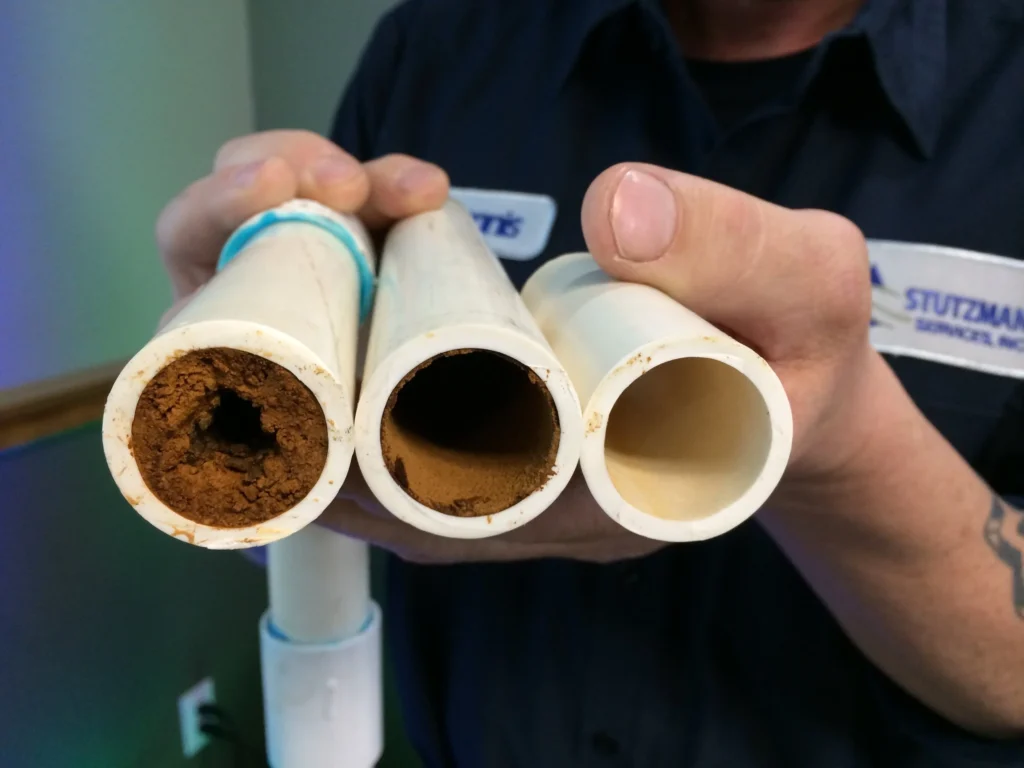
Understanding Iron, Sulfur, and Sediment in Well Water
There’s a funny thing about water: the more ordinary it looks, the less we tend to question it. Fill a glass, hold…
Open resource →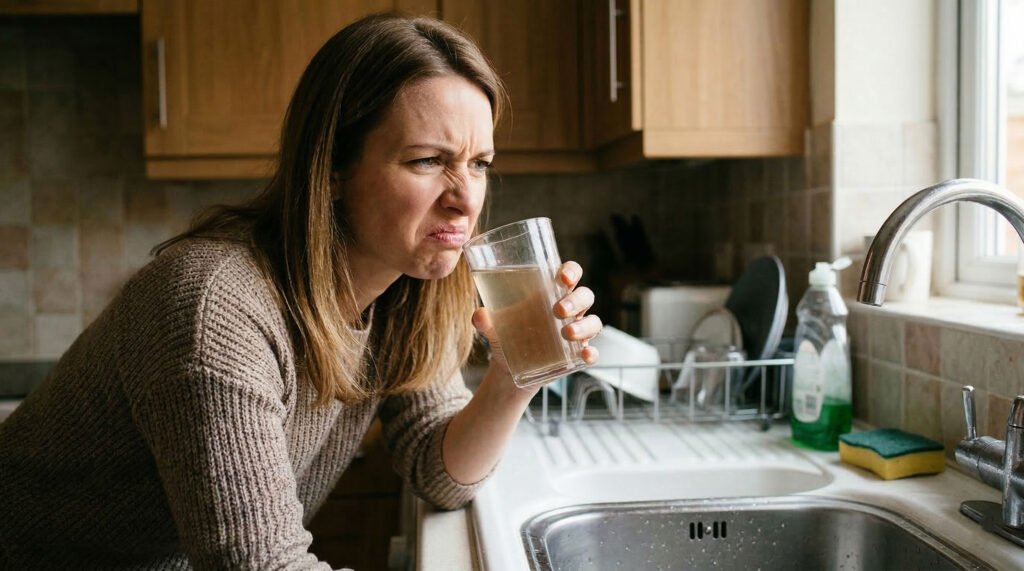
Strange Smells and Cloudy Water: What Your Well Might Be Trying to Tell You
The first time you notice something strange about your water, it’s usually a small moment. You turn on the kitchen faucet and…
Open resource →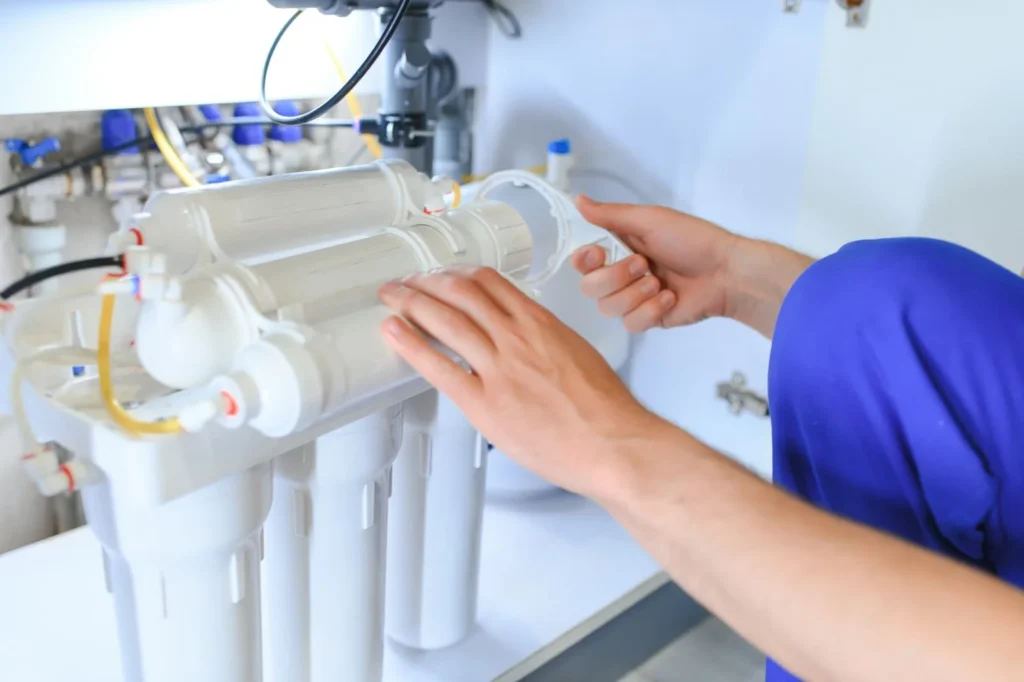
A Closer Look at the Small Details Behind Better Drinking Water
Most people don’t think about filtration technology while pouring a glass of water. They think about whether it tastes good, whether there’s…
Open resource →