
Making the Move to Better Water Treatment Without the Guesswork
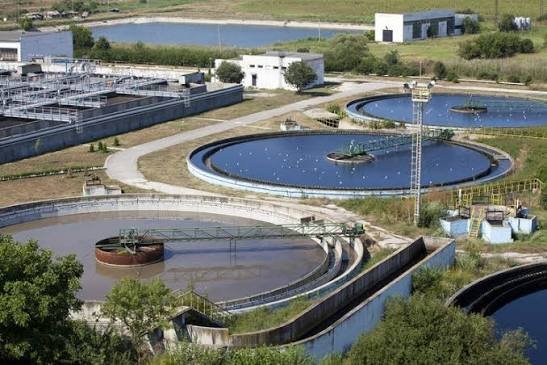
There comes a point when even reliable water treatment equipment starts to feel a little tired. Maybe the system has been sitting in the utility room for years, quietly doing its job, but now the controls look dated, replacement parts are harder to find, and small problems keep popping up.
It can be tempting to ignore those signs. After all, if water is still coming out of the tap, why replace anything?
Sometimes that’s reasonable. Other times, continuing to patch an aging system can cost more than making a thoughtful upgrade.
The trick is knowing the difference.
Replacing water treatment equipment shouldn’t be an impulse purchase. It’s an opportunity to look at your water quality, household needs, operating costs, and the technology available today — then decide what actually makes sense.
Start With a Simple Question: Is the System Still Doing Its Job?
Before thinking about an upgrade, look at the basics.
Is the water being treated effectively? Has hardness returned? Are stains appearing again? Does the water taste or smell different? Are filters becoming exhausted faster than they used to?
A system that’s producing good results and requiring little maintenance may not need to be replaced simply because it’s old.
But if performance has become inconsistent, that’s worth investigating.
The cause might be a worn component, exhausted media, incorrect settings, or a change in incoming water. A professional inspection can often identify the issue before you spend money on an entirely new system.
Repair Costs Can Tell a Story
One repair isn’t necessarily a problem.
Every mechanical system eventually needs attention. A replacement valve, filter housing, control component, or other relatively minor repair can extend the life of a well-maintained system.
Related resource: Making Tap Water More Enjoyable Without Overcomplicating It
The situation changes when repairs become frequent.
If you’re repeatedly paying for service calls and replacement parts, add those expenses together. You may discover that the “cheap” option isn’t actually cheap anymore.
This is especially true when several components are approaching the end of their useful life at the same time.
At that stage, replacement deserves a serious look.
Trade-In Programs Can Make Replacement Easier
One concern homeowners often have is the cost of removing old equipment and installing new equipment.
Some water-treatment providers offer competitive trade-in offers for qualifying older systems. Depending on the program, this may help reduce the upfront cost of upgrading.
Don’t focus only on the advertised trade-in amount, though. Look at the complete proposal.
Ask whether removal is included, whether installation is included, what happens to the old equipment, and whether additional plumbing work will be necessary.
A good deal is only a good deal when the total cost makes sense.
Technology Has Changed, But That Doesn’t Mean You Need Everything
Modern water treatment systems can include more sophisticated controls, improved regeneration cycles, monitoring features, and efficiency-focused designs.
Some homeowners appreciate these improvements. Others simply want equipment that works without a lot of fuss.
Both preferences are reasonable.
Related resource: Understanding Iron, Sulfur, and Sediment in Well Water
The goal isn’t to collect features. It’s to find technology that solves a real problem.
For example, if your old system uses more salt and water than necessary, a newer, properly programmed system may help reduce operating costs. If maintenance has become difficult because replacement components are obsolete, newer equipment may offer better long-term support.
Technology is useful when it improves your everyday experience.
A Professional Assessment Can Prevent an Expensive Mistake
It’s easy to get carried away when shopping for water treatment.
One product promises superior filtration. Another talks about smart controls. A third focuses on mineral reduction. Suddenly, you’re comparing equipment without knowing what your water actually needs.
This is where expert local consultation can be valuable.
A knowledgeable professional can assess the existing equipment, review water conditions, look at household demand, and explain which treatment options are appropriate.
The word “local” matters because water conditions and common plumbing setups can vary between areas.
A good consultation should feel like a conversation, not a sales performance. You should be able to ask why a particular system is recommended and what would happen if you chose a simpler option.
If someone can’t explain the reasoning, keep asking questions.
Water Testing Should Come Before Major Changes
Water that looks clean isn’t necessarily free of every possible water-quality concern.
Testing can provide information about hardness, pH, iron, manganese, chlorine, dissolved solids, and other parameters depending on the test.
Related resource: Strange Smells and Cloudy Water: What Your Well Might Be Trying to Tell You
This information is useful even if you already own a treatment system.
Perhaps the water chemistry has changed since the original installation. Maybe the current system is treating something that isn’t actually a problem anymore while overlooking a newer concern.
Testing gives you a baseline.
From there, you can decide whether to repair, modify, or replace the equipment based on evidence rather than assumptions.
Think About Your Current Household
Your water needs may have changed since your existing system was installed.
Maybe there are more people in the home now. Perhaps you’ve added a bathroom, renovated the kitchen, or started using more water-intensive appliances.
The opposite can happen, too. Children grow up and move out. Household water use decreases.
An old system may therefore be too small, too large, or simply poorly matched to your current demand.
When evaluating replacement options, don’t design the system around how your household used water a decade ago. Look at today’s usage and, if possible, expected future needs.
Consider the Cost of Keeping the Old System
Replacement decisions become easier when you look beyond the purchase price.
Estimate what you’re currently spending on repairs, filters, salt, electricity, water, and routine service.
Then compare that with the expected costs of new equipment.
Related resource: A Closer Look at the Small Details Behind Better Drinking Water
A newer system may have a higher initial price but lower ongoing operating costs. Or it may require less frequent service because replacement parts and controls are easier to maintain.
This isn’t guaranteed, of course. Ask for realistic estimates rather than assuming newer automatically means cheaper.
A Smooth Upgrade Shouldn’t Disrupt Your Routine
Nobody wants a water treatment project to turn into a week-long household headache.
Proper planning can make the change much easier.
A professional installer can determine where the existing equipment is connected, identify any plumbing modifications needed, and schedule the replacement to minimize disruption.
When handled properly, the goal is a seamless transition to the latest technologies, rather than a complicated process that leaves the household without normal water service for an extended period.
Ask about installation time and what preparation is required before the work begins.
Knowing what to expect makes the process less stressful.
Don’t Throw Away Useful Equipment Too Quickly
An old system may still have components that can be reused, recycled, or properly disposed of.
Ask the provider what happens to the equipment being removed. Some parts may have value, while others need responsible disposal.
This isn’t just about saving money. Proper disposal reduces unnecessary waste and keeps treatment equipment from simply becoming another piece of household junk.
It’s a small consideration, but a worthwhile one.
Related resource: What Your Drinking Water Is Telling You About Its Quality
The Upgrade Should Have a Clear Reason
The best upgrades have a purpose.
Maybe the old system is becoming unreliable. Maybe operating costs have climbed. Perhaps water conditions have changed, or your household now needs different treatment capacity.
Whatever the reason, identify it before choosing equipment.
If you can’t explain what the new system will improve, you’re probably not ready to buy it.
That’s not a bad thing. It simply means you need more information.
A Better System Should Feel Like Less Work
Replacing water treatment equipment isn’t really about owning something newer. It’s about making the entire experience easier and more dependable.
You want consistent water quality. You want predictable maintenance. You want replacement parts to be available. And ideally, you want equipment that doesn’t constantly remind you that it’s there.
Start with testing and inspection. Compare repair costs with replacement costs. Ask about trade-in programs and operating expenses. Then choose equipment based on your actual needs.
There’s no prize for having the most complicated filtration system in the neighborhood.
A smart upgrade is quieter than that. It simply works better, costs less to operate when possible, fits your household, and gives you confidence that the water treatment system is ready for the years ahead.
That’s the kind of improvement worth making.
Related Posts
Making Tap Water More Enjoyable Without Overcomplicating It
There’s a particular kind of disappointment that comes from filling a glass of water at home and realizing it doesn’t taste quite…
Open resource →
Understanding Iron, Sulfur, and Sediment in Well Water
There’s a funny thing about water: the more ordinary it looks, the less we tend to question it. Fill a glass, hold…
Open resource →
Strange Smells and Cloudy Water: What Your Well Might Be Trying to Tell You
The first time you notice something strange about your water, it’s usually a small moment. You turn on the kitchen faucet and…
Open resource →