
The Small Utility Components That Keep Commercial Water Systems Working
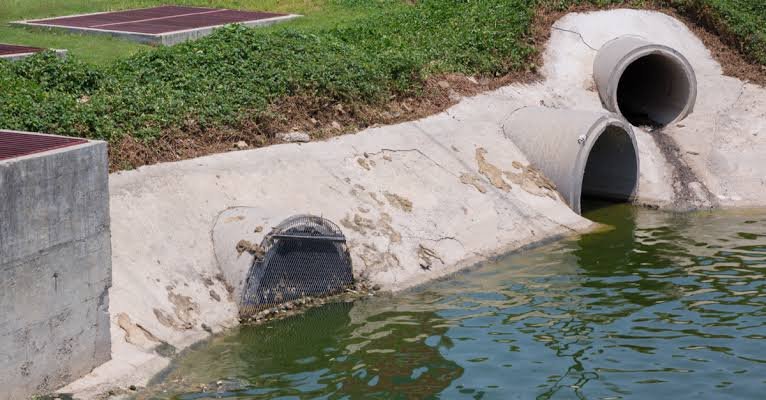
When a commercial water system is working properly, it tends to disappear into the background. Employees turn on faucets, customers use restrooms, kitchens keep running, and maintenance teams have little reason to think about what is happening underground.
Then a valve sticks.
Or a water main starts leaking beneath a parking lot.
Suddenly, something that seemed like a minor piece of infrastructure can bring a busy property to a standstill. That’s the strange thing about utility systems: the smaller components can sometimes have an outsized effect on the entire operation.
For property owners and facility managers, understanding how these systems are installed, maintained, and repaired isn’t just a technical exercise. It can help prevent costly interruptions and make emergency decisions a little less stressful.
Why Valves Matter More Than Most People Realize
A valve controls the movement of water through a plumbing or distribution system. In a commercial setting, valves can help isolate sections of a network so maintenance or repairs can happen without shutting down everything.
That sounds simple enough.
But valves live in demanding environments. They can corrode, become difficult to operate, develop leaks, or simply wear out over time.
When a valve no longer functions correctly, gate valve repair may be necessary to restore proper control of the system. The right response depends on the valve’s condition, location, accessibility, and the larger problem affecting the water network.
Sometimes a repair is practical. In other cases, replacement is the more sensible choice.
Water Mains Carry a Lot of Responsibility
A water main is one of the major pathways delivering water to a property or group of properties.
Related resource: Making Tap Water More Enjoyable Without Overcomplicating It
If that line develops a serious leak, the consequences can extend well beyond a wet patch of ground. Water may undermine pavement, interrupt service, damage nearby areas, or create pressure problems throughout the property.
Water main installation & repair therefore requires careful planning from the beginning.
Installation involves more than laying pipe in the ground. Contractors need to consider routing, pipe sizing, soil, connections, depth, existing utilities, access, and applicable requirements.
During repairs, the first challenge is usually finding out exactly where the problem is and how extensive the damage has become.
Not Every Leak Is Obvious
A large burst pipe is easy to notice.
A slow underground leak is not.
Property managers may first notice an unexplained increase in water consumption, a damp section of pavement, unusually lush grass, soil settlement, or a gradual reduction in pressure.
None of these signs automatically means a water main is leaking. Irrigation issues, plumbing problems, drainage conditions, and other factors can produce similar symptoms.
Still, unexplained changes deserve attention.
The sooner a leak is identified, the more opportunity there may be to limit water loss and prevent surrounding damage.
Planning a New Commercial Utility System
New commercial construction creates a different set of challenges.
A new building may require water, sewer, storm drainage, electrical, communications, fire protection, and other services. These systems have to reach the right places without conflicting with foundations, roads, landscaping, or one another.
Related resource: Understanding Iron, Sulfur, and Sediment in Well Water
Commercial utility installation should therefore be considered during the early planning stages, not as something to figure out after the building is nearly finished.
Good coordination between engineers, contractors, utility providers, and property owners can reduce surprises later.
It also helps establish clear access points for future maintenance.
Underground Space Isn’t Unlimited
This is an easy thing to forget when looking at a construction plan.
There may be plenty of open space on the surface, but underground utility corridors can become crowded quickly.
A water main may need to pass near a sewer line. Electrical conduits may cross communication infrastructure. Stormwater systems may occupy valuable space beneath a parking area.
Depth and separation requirements can influence where everything goes.
Careful planning helps avoid situations where one utility has to be relocated because another was installed without considering the complete site.
Access Matters After Construction
Utility infrastructure has a long life, and maintenance doesn’t stop when construction ends.
Valves need to be reached. Water mains need inspection or repair. Service connections may eventually require attention.
If access points are buried beneath permanent structures or placed where equipment can’t reach them, routine maintenance becomes much more difficult.
Related resource: Strange Smells and Cloudy Water: What Your Well Might Be Trying to Tell You
Property owners should think beyond the opening day.
A system that is easy to service ten years later is usually the result of decisions made during the original installation.
Soil Conditions Can Affect Utility Performance
The ground surrounding a buried water line isn’t just empty space.
Soil can move, settle, expand, or become saturated. Rock can make excavation difficult. Poorly compacted fill can create movement around underground infrastructure.
These conditions can influence installation methods and long-term performance.
Before major utility work begins, understanding the site can help contractors plan excavation, bedding, backfill, and restoration appropriately.
It may add time to the early stages of a project, but discovering difficult ground after the work has already started is usually much more expensive.
Repairs Don’t Always Need a Huge Trench
Traditional excavation remains useful and, in many situations, necessary.
But modern repair techniques can sometimes reduce how much of a commercial property needs to be disturbed.
Depending on the pipe condition and location, trenchless methods or localized repairs may offer alternatives to completely opening the ground above the line.
This can be particularly valuable beneath parking lots, busy access roads, sidewalks, or landscaped areas.
Still, there is no universal repair method. The condition of the infrastructure should determine the approach.
Related resource: A Closer Look at the Small Details Behind Better Drinking Water
Minimize Business Disruption When Possible
Commercial utility repairs happen on properties that are still expected to function.
Customers need access. Employees need safe routes. Deliveries have to arrive. Tenants may have their own schedules and responsibilities.
That makes communication a surprisingly important part of utility work.
Property managers should understand what areas will be affected, how long the work may take, whether water service needs to be interrupted, and what temporary access arrangements are available.
A well-planned repair isn’t only technically successful. It also fits reasonably well into the property’s daily operations.
Keep Records of What Goes Underground
Nobody wants to search for an underground valve five years after installation.
Accurate documentation can prevent that.
As-built drawings, photographs, inspection reports, valve locations, service connections, and repair records can all be useful for future maintenance.
This information becomes especially valuable when a commercial property changes hands or undergoes renovation.
The next contractor shouldn’t have to guess what previous crews installed.
Know When a Repair Is No Longer Enough
Repairing a component is often attractive because it can seem less expensive and less disruptive.
Related resource: What Your Drinking Water Is Telling You About Its Quality
But repeated repairs can become their own kind of expense.
If a water main has multiple failing sections, or if valves throughout the system are deteriorating, continued patchwork may not be the best long-term strategy.
At some point, replacement or rehabilitation may offer greater reliability.
The decision should be based on the condition of the system, expected service life, operating demands, and total cost—not simply the cheapest immediate option.
Good Utility Work Is Mostly About Preparation
Commercial water infrastructure doesn’t need to be complicated for the sake of being complicated.
It needs to be appropriate for the property, correctly installed, safely accessible, properly documented, and maintained over time.
A valve may be small compared with a building. A water main may spend decades hidden beneath asphalt. Utility connections may never be noticed by the people using the property.
Yet all of them matter.
The best time to think about underground infrastructure is before there’s water running across the parking lot or a failed valve stopping normal operations.
With thoughtful planning, regular attention, and professional repairs when problems arise, commercial water systems can remain dependable for years.
And when nobody notices the pipes, valves, and connections beneath the property because everything is simply working as it should, that’s usually a sign the infrastructure has been done right.
Related Posts
Making Tap Water More Enjoyable Without Overcomplicating It
There’s a particular kind of disappointment that comes from filling a glass of water at home and realizing it doesn’t taste quite…
Open resource →
Understanding Iron, Sulfur, and Sediment in Well Water
There’s a funny thing about water: the more ordinary it looks, the less we tend to question it. Fill a glass, hold…
Open resource →
Strange Smells and Cloudy Water: What Your Well Might Be Trying to Tell You
The first time you notice something strange about your water, it’s usually a small moment. You turn on the kitchen faucet and…
Open resource →