
Understanding Iron, Sulfur, and Sediment in Well Water
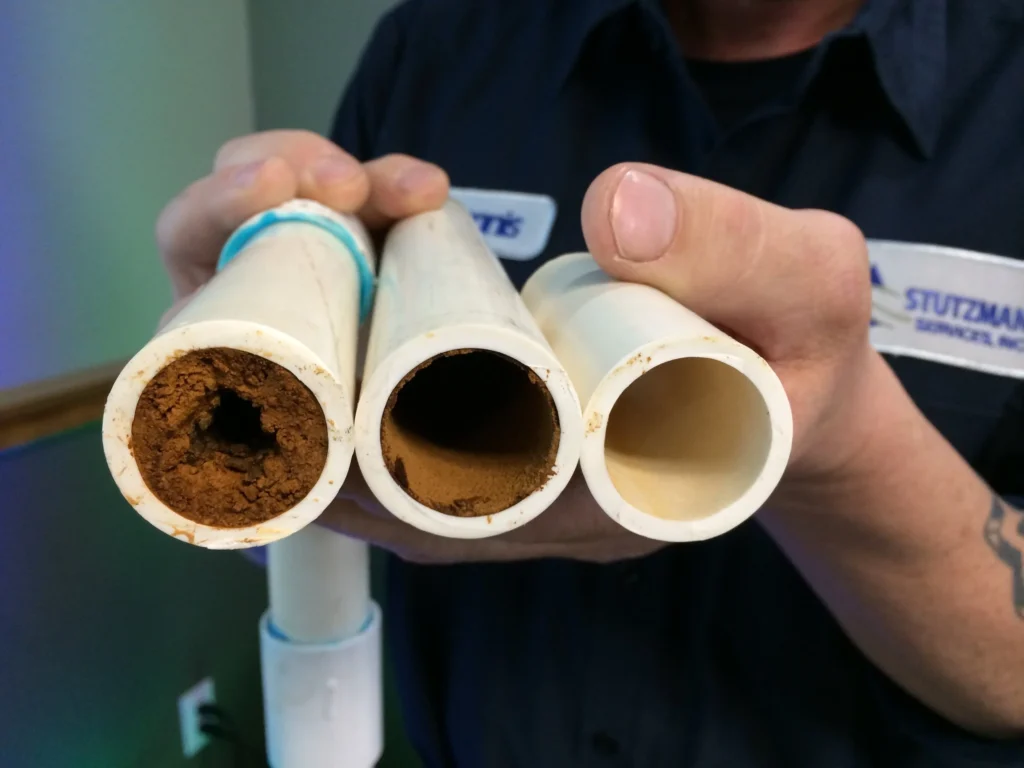
There’s a funny thing about water: the more ordinary it looks, the less we tend to question it. Fill a glass, hold it up to the light, and if it looks clear, most of us move on.
But private well water can have a few surprises hiding beneath that perfectly normal appearance.
A metallic taste, orange stains around the sink, a rotten-egg smell from the shower, or tiny particles collecting in a faucet aerator can all be clues that something is happening in the water supply. Usually, the answer isn’t to panic. It’s to figure out what’s actually there.
Among the most common concerns for well owners are iron, sulfur, and sediment. Each behaves differently, creates different household problems, and may require a different treatment approach. Understanding those differences can save you money, frustration, and a fair amount of unnecessary filter shopping.
Why Iron Gets Your Attention
Iron is naturally present in many soils and groundwater sources. In small amounts, you may not notice it at all. When concentrations increase, though, the signs can become hard to miss.
Iron can cause orange, reddish, or brown staining on sinks, tubs, toilets, and laundry. Water may also have a metallic taste, particularly when the concentration is high enough to affect the way it feels and tastes.
The tricky part is that iron doesn’t always appear in exactly the same form. Some iron is dissolved and invisible when water first comes from the well, while other forms may already appear as particles.
That distinction matters because the most effective treatment depends partly on how the iron exists in the water.
Those Orange Stains Aren’t Just a Cleaning Problem
If you regularly scrub orange marks from a white sink, you’ve probably wondered whether your cleaning products simply aren’t doing their job.
The truth may be in the water.
Iron can oxidize when it comes into contact with air, causing it to form particles that settle on fixtures and surfaces. Once those deposits accumulate, ordinary household cleaning can become a repetitive chore.
Related resource: Making Tap Water More Enjoyable Without Overcomplicating It
A filtration system designed specifically for iron reduction can sometimes make a dramatic difference.
But don’t choose equipment based solely on the color of the stain. A water test can determine how much iron is present and help identify the form you’re dealing with.
Sulfur Has a Smell You’ll Remember
Iron staining can be annoying. Sulfur odor is another story.
Sulfur compounds, particularly hydrogen sulfide, are commonly associated with the familiar rotten-egg smell that some well-water households experience.
The odor may be noticeable when you turn on a faucet, take a shower, or run hot water. In some homes, it can be more pronounced in hot water because heating can release dissolved gases.
The smell doesn’t tell you exactly how much hydrogen sulfide is present, though. That’s where testing becomes useful.
Treatment may involve aeration, oxidation, filtration, or a combination of approaches depending on the water chemistry and concentration.
Why the Source of the Smell Matters
Not every unpleasant water odor comes from sulfur.
Organic material, plumbing conditions, bacteria, and other factors can contribute to unusual smells. If the odor is isolated to one drain or fixture, the water itself may not even be the culprit.
That’s why it’s worth paying attention to patterns.
Does the smell come from every faucet? Only hot water? One bathroom? Does it disappear after the water runs for a while?
Those details can help distinguish a water-supply issue from a localized plumbing problem.
Related resource: Strange Smells and Cloudy Water: What Your Well Might Be Trying to Tell You
Sediment Is Often Easier to See
Unlike dissolved substances, sediment can sometimes announce itself visually.
Sediment may include sand, silt, rust particles, or other suspended material. Well owners may notice it after heavy rain, changes in groundwater conditions, maintenance work, or disturbances around the well.
Small amounts can collect inside faucet aerators. Larger amounts can clog filters and affect water flow.
A sediment filter is often used as a first stage of treatment because removing larger particles can help protect other treatment components farther down the line.
Of course, even sediment filters need attention. Once the cartridge becomes loaded, water pressure can drop.
Don’t Assume Every Particle Comes From the Well
Sometimes homeowners see brown or cloudy water and immediately blame the groundwater.
It isn’t always that simple.
Older plumbing can release rust or other particles. A water heater can also contribute discoloration under certain circumstances. If only one faucet produces unusual water while others remain clear, a localized plumbing issue becomes more likely.
Testing water at different points can sometimes help determine where the problem begins.
That may sound excessive for a household annoyance, but identifying the source can prevent you from spending money on a whole-home treatment system when a smaller repair is what you actually need.
Testing Turns Guesswork Into Information
Water testing isn’t particularly exciting, admittedly. Nobody wakes up thinking, “Today feels like a great day to test my well.”
Related resource: A Closer Look at the Small Details Behind Better Drinking Water
Still, it’s one of the most useful steps a well owner can take.
A laboratory analysis can provide information about iron, sulfur-related compounds, hardness, pH, bacteria, and other characteristics depending on the test selected.
Testing is especially helpful when you’re comparing treatment options. Instead of asking whether a particular filter “might work,” you can evaluate whether its specifications match your actual water conditions.
That difference matters.
Iron Treatment Isn’t the Same as Water Softening
This is another common source of confusion.
A traditional water softener is designed primarily to reduce hardness minerals such as calcium and magnesium. Some systems may have limited effects on certain forms of iron, but a softener shouldn’t automatically be treated as an iron-removal solution.
If iron is the main problem, specialized treatment may be more appropriate.
Likewise, a filter designed to reduce iron isn’t necessarily designed to remove bacteria or other contaminants.
Every treatment method has a job.
Pre-Treatment Can Make the Main System Work Better
When several water concerns exist, treatment may be arranged in stages.
A sediment filter can capture larger particles first. Another treatment stage may address iron or sulfur. Additional filtration can then handle other specific concerns.
This approach prevents one component from being asked to do everything.
Related resource: What Your Drinking Water Is Telling You About Its Quality
It can also make maintenance more manageable because each stage has a clear purpose.
However, more equipment isn’t automatically better. A system should be designed around actual water conditions and household demand.
Your Well Itself Deserves Attention
Treatment equipment can’t compensate for every well problem.
Keep the well area clean and properly maintained. Inspect visible components, protect the well from surface-water intrusion, and pay attention to changes following flooding or major weather events.
If water characteristics change suddenly, don’t simply increase filtration and hope for the best.
The source should be checked.
A treatment system is there to improve water based on known conditions. It shouldn’t be used to hide an underlying problem with the well.
Maintenance Keeps Small Problems From Becoming Big Ones
Filters become dirty. Media eventually loses effectiveness. Pumps and pressure components can wear out.
Keep track of service dates and follow the manufacturer’s recommendations for replacing filters or maintaining treatment equipment.
If water flow decreases, check for a clogged filter. If the odor returns, consider whether the treatment media needs service. If staining suddenly becomes worse, test the water again rather than assuming the equipment has failed.
Regular attention is usually much cheaper than waiting for a major problem.
Related resource: Making Well Water Better: Practical Treatment for the Problems You Can Actually See
Know What You’re Trying to Fix
One of the biggest mistakes homeowners make is buying treatment equipment before identifying the problem.
A metallic taste doesn’t automatically mean iron. A rotten-egg smell doesn’t automatically prove sulfur. Cloudy water doesn’t automatically mean sediment from the well.
These clues are useful, but they’re not diagnoses.
Testing gives you the missing piece.
Once you know what’s present and at what concentration, treatment becomes a much more straightforward decision.
Better Well Water Starts With Understanding
Iron, sulfur, and sediment can each make well ownership a little more complicated. The good news is that none of them has to remain a mystery.
Pay attention to changes in taste, odor, appearance, and pressure. Test the water when appropriate. Understand how your well and plumbing work together, and choose treatment equipment based on actual conditions.
The goal isn’t to create the most complicated treatment setup possible.
It’s to create one that does its job quietly and reliably.
When that happens, orange stains become less of a battle, strange odors stop greeting you in the shower, and cloudy water becomes something you remember rather than something you deal with every week.
And really, that’s what good water treatment should deliver: fewer surprises and more confidence every time you turn on the tap.
Related Posts
Making Tap Water More Enjoyable Without Overcomplicating It
There’s a particular kind of disappointment that comes from filling a glass of water at home and realizing it doesn’t taste quite…
Open resource →
Strange Smells and Cloudy Water: What Your Well Might Be Trying to Tell You
The first time you notice something strange about your water, it’s usually a small moment. You turn on the kitchen faucet and…
Open resource →
A Closer Look at the Small Details Behind Better Drinking Water
Most people don’t think about filtration technology while pouring a glass of water. They think about whether it tastes good, whether there’s…
Open resource →