
Understanding Reverse Osmosis and the Benefits of Better Drinking Water
Water is something most people use without thinking twice. We pour it into a glass, fill the kettle, cook dinner, wash vegetables, and trust that it’s doing its job. But even when water looks perfectly normal, it may contain dissolved minerals, unwanted chemicals, sediment, or other impurities that affect its taste and quality. That’s where home water treatment becomes worth a closer look.
Among the available options, reverse osmosis has become a popular choice for households that want more control over the water they drink. It’s not a magic solution for every water problem, but when properly selected and maintained, it can make a noticeable difference in everyday life.
What Is Reverse Osmosis?
Reverse osmosis is a water filtration process that uses pressure to move water through a specialized, semi-permeable membrane. This membrane has extremely small pores, allowing water molecules to pass through while reducing many dissolved contaminants and impurities.
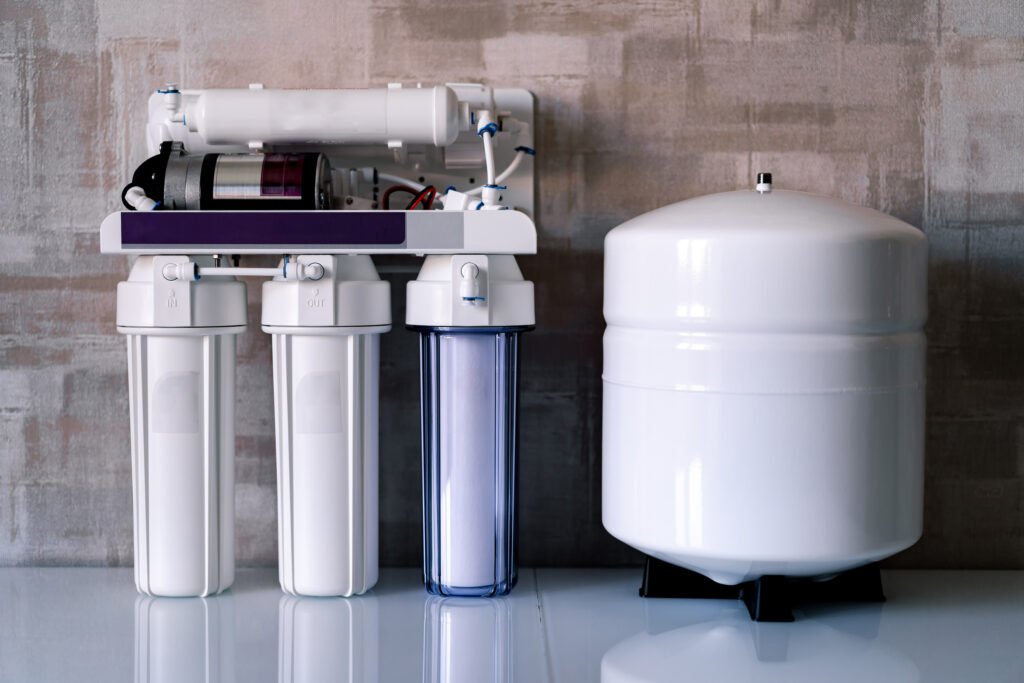
In a typical system, water passes through several stages before reaching the drinking-water faucet. These stages may include a sediment filter, a carbon filter, the reverse osmosis membrane, and a final polishing filter. Each component has a specific role, and together they help improve the water’s overall quality.
The process is called “reverse” osmosis because it works opposite to natural osmosis. Instead of water naturally moving toward a higher concentration of dissolved substances, pressure pushes it through the membrane in the other direction.
Related resource: Making Tap Water More Enjoyable Without Overcomplicating It
Why Homeowners Consider RO Filtration
Many people first consider an RO system because of taste. Water with excessive minerals, chlorine, or certain dissolved compounds can have a noticeable flavor or odor. Even if the water meets local safety standards, that doesn’t always mean it tastes pleasant.
A properly installed reverse osmosis (ro) filtration system can reduce a broad range of dissolved substances, depending on the membrane and system design. This may include certain salts, heavy metals, and other contaminants. The exact performance varies, though, so it’s important not to assume that every system removes everything.
For families who drink a lot of water, make tea or coffee daily, or prefer not to rely on bottled water, an under-sink RO system can be a practical addition. It provides treated water directly at the kitchen faucet without requiring plastic bottles to be purchased, stored, and discarded.
How the Filtration Stages Work Together
Reverse osmosis systems are often described as multi-stage systems because the membrane is only one part of the process.
The first stage commonly uses a sediment filter. This filter captures particles such as sand, dirt, rust, and other suspended material. Protecting the later stages from sediment helps the system operate more effectively.
Related resource: Understanding Iron, Sulfur, and Sediment in Well Water
Next, a carbon filter may reduce chlorine, unpleasant odors, and certain organic compounds. This stage is particularly important because chlorine can damage some types of RO membranes. Carbon filtration also helps improve the taste before the water reaches the membrane.
The reverse osmosis membrane then performs the central filtration work. It reduces many dissolved contaminants that ordinary sediment and carbon filters cannot remove. Finally, a post-filter may polish the water before it reaches the faucet, helping maintain a fresh taste.
Some systems also include mineral-remineralization cartridges, ultraviolet treatment, leak detection, or electronic monitoring. These features can be useful, but they should be chosen based on actual household needs rather than simply selecting the system with the longest feature list.
The Difference Between Cleaner Water and Softer Water
One common misunderstanding is assuming that reverse osmosis and water softening do the same thing. They don’t.
A water softener is mainly designed to reduce hardness minerals, particularly calcium and magnesium. This helps prevent scale on fixtures, shower doors, pipes, and appliances. It can also improve how soap behaves and make water feel different during bathing.
Related resource: Strange Smells and Cloudy Water: What Your Well Might Be Trying to Tell You
An RO system, on the other hand, is usually installed to treat a smaller quantity of water for drinking and cooking. It focuses on reducing dissolved impurities rather than conditioning the entire home’s water supply.
In many homes, the two systems can work together. A whole-house softener may protect plumbing and appliances, while an under-sink RO unit provides treated water for drinking. Neither system automatically replaces the other.
What Does Better Drinking Water Feel Like?
The benefits of treated water are often subtle at first. There may not be a dramatic visual change because many dissolved impurities are invisible. Instead, homeowners may notice that water tastes fresher, coffee has a cleaner flavor, or family members are more willing to drink water throughout the day.
A reliable system can provide clean, clear, better-tasting drinking water for daily use, from filling a reusable bottle before work to preparing baby formula or cooking rice. Taste is subjective, of course. Some people prefer water with a noticeable mineral profile, while others like a lighter, cleaner flavor. The goal is to find a treatment approach that suits the household.
It’s also worth remembering that filtration quality depends on maintenance. A neglected system may not perform as intended, and old filters can affect taste rather than improve it.
Related resource: A Closer Look at the Small Details Behind Better Drinking Water
Choosing the Right RO System for Your Home
Before buying a reverse osmosis system, start by understanding the water you currently have. If possible, review a recent water-quality report or arrange professional water testing. Testing can help identify whether the main concern is hardness, chlorine, sediment, dissolved solids, metals, or something else.
Consider how much treated water your household uses. A couple living in an apartment may need a compact system with a modest storage tank, while a larger family may prefer a higher-capacity model. Available cabinet space matters, too. Under-sink systems require room for filters, tubing, and sometimes a storage tank.
Look for systems with replacement filters that are easy to find and reasonably priced. A product may seem affordable initially but become expensive if replacement parts are difficult to source. It’s also smart to ask about installation, warranty coverage, membrane life, and whether the system includes leak protection.
Certification can provide another useful point of comparison. Independent certifications may help verify performance claims, but homeowners should still check which contaminants the specific model is certified to reduce.
Maintenance Is Part of the Process
Like any household equipment, an RO system needs attention. Filters must be replaced according to the manufacturer’s recommendations, though actual timing can depend on water quality and usage. The membrane may last longer than the pre-filters, but it should still be checked periodically.
Related resource: What Your Drinking Water Is Telling You About Its Quality
A system that produces water slowly, develops an unusual taste, or shows signs of leakage may need service. Ignoring these warning signs can reduce performance and create avoidable problems.
It’s helpful to keep a simple maintenance record. Write down the installation date, filter-change dates, and any service performed. It takes only a few minutes and makes the system easier to manage over time.
A Practical Investment in Everyday Comfort
Reverse osmosis is not necessary for every household, and no filtration system should be chosen without understanding the water conditions it is meant to address. Still, for people who want to improve the taste and quality of their drinking water, it can be a useful and dependable option.
The best approach is to begin with testing, compare systems carefully, and choose equipment that fits both the water problem and the household routine. With proper installation and regular maintenance, an RO system can quietly support healthier habits and make something as ordinary as drinking a glass of water feel a little better.
After all, good water treatment isn’t only about technology under the sink. It’s about making everyday living simpler, more comfortable, and more enjoyable.
Related Posts
Making Tap Water More Enjoyable Without Overcomplicating It
There’s a particular kind of disappointment that comes from filling a glass of water at home and realizing it doesn’t taste quite…
Open resource →
Understanding Iron, Sulfur, and Sediment in Well Water
There’s a funny thing about water: the more ordinary it looks, the less we tend to question it. Fill a glass, hold…
Open resource →
Strange Smells and Cloudy Water: What Your Well Might Be Trying to Tell You
The first time you notice something strange about your water, it’s usually a small moment. You turn on the kitchen faucet and…
Open resource →