
What Your Drinking Water Is Telling You About Its Quality

You probably don’t think much about the water in your glass until it tastes strange. Maybe there’s a faint mineral flavor, a noticeable smell, or just something that makes you reach for a bottle instead of the kitchen faucet.
It’s easy to shrug those things off. After all, water doesn’t always taste exactly the same, and small changes can come from the source, plumbing, treatment methods or even the glass you’re using.
Still, changes in drinking water are worth paying attention to. Understanding what can affect taste, odor and overall water quality makes it much easier to decide whether a simple filter is enough or whether a more targeted treatment approach is needed.
The first step is getting curious rather than worried.
Water Quality Is About More Than Appearance
Clear water can look reassuring, but appearance tells only part of the story.
Water may contain dissolved minerals or other substances that aren’t visible to the naked eye. At the same time, cloudy water isn’t necessarily dangerous. It may simply contain harmless air bubbles or sediment.
This is why water testing can be useful. Instead of judging quality entirely by what you see in a glass, testing provides information about the actual characteristics of the water.
That information can then guide treatment decisions.
Understanding Total Dissolved Solids
One measurement homeowners may encounter during water testing is total dissolved solids.
TDS refers broadly to the amount of dissolved substances present in water. These can include minerals and salts, among other dissolved materials.
Related resource: Making Tap Water More Enjoyable Without Overcomplicating It
A higher TDS reading doesn’t automatically mean water is unsafe. That’s an important distinction. TDS is a general measurement, not a complete safety test.
Two water supplies can have similar TDS readings while containing very different substances.
Still, the measurement can be useful as part of a broader water-quality evaluation, particularly when homeowners are considering filtration or reverse osmosis.
The context matters more than the number by itself.
Why Water Can Taste Different
Taste is one of the most personal aspects of water quality.
Some people notice a metallic flavor immediately, while others barely detect it. Mineral content, disinfectants, organic compounds and even household plumbing can affect the way water tastes.
Temperature also plays a role. Cold water often seems more refreshing because cooler temperatures can reduce how strongly certain flavors are perceived.
If your tap water suddenly tastes different, don’t assume the treatment system is automatically failing. The water source or local supply conditions may have changed, or plumbing work could have affected the water temporarily.
Pay attention to when the change happens and whether it occurs at every faucet.
Dealing With Unpleasant Tastes and Odors
Few things make drinking water less appealing faster than unpleasant tastes and odors.
Related resource: Understanding Iron, Sulfur, and Sediment in Well Water
A strange smell may come from naturally occurring compounds, disinfectants, plumbing or other characteristics of the water. In private wells, certain minerals or sulfur-related compounds can also contribute to noticeable odors.
The important thing is to identify the cause before choosing treatment.
Carbon filtration can improve certain taste and odor issues, while other conditions may require different treatment technologies.
A filter designed for sediment, for example, isn’t necessarily going to solve a dissolved-gas odor. Matching the equipment to the problem is what makes treatment effective.
Chlorine Has a Purpose
For people using municipal water, chlorine is a familiar part of the conversation.
Chlorine and related disinfectants are widely used in water treatment to control microorganisms. Their presence can sometimes create a noticeable taste or smell, especially when water has been sitting in a glass or pitcher.
That doesn’t automatically mean something is wrong.
Some homeowners simply prefer the taste of water after filtration. Carbon filtration is commonly used to reduce chlorine taste and odor.
If the goal is simply to make tap water more pleasant, a relatively straightforward filtration solution may be enough.
Plumbing Can Influence What You Taste
The water leaving a treatment facility isn’t necessarily identical to the water coming out of your faucet.
It travels through distribution pipes and eventually through the plumbing inside your home.
Related resource: Strange Smells and Cloudy Water: What Your Well Might Be Trying to Tell You
Older plumbing materials, fixtures or stagnant water in pipes can sometimes influence taste and odor.
If water tastes unusual first thing in the morning but improves after running the faucet for a short time, the household plumbing may be part of the explanation.
That doesn’t mean every unusual taste is caused by pipes. It simply shows why looking at the entire path from source to faucet can be helpful.
Private Wells Deserve Extra Attention
Private well owners have a different relationship with their water supply.
Because the homeowner is responsible for the well, regular testing is an important part of managing the system.
Groundwater can contain naturally occurring minerals, iron, manganese and other characteristics that vary by location. Weather and environmental conditions can also influence the water.
Even if the water has always tasted fine, periodic testing provides useful reassurance and can reveal changes before they become obvious.
If the taste, color or odor suddenly changes, testing becomes even more important.
When Reverse Osmosis Enters the Conversation
Reverse osmosis can be useful when homeowners want to reduce a range of dissolved substances in drinking water.
The process uses pressure to push water through a semipermeable membrane. Depending on the system and incoming water quality, it can significantly reduce many dissolved materials.
Related resource: A Closer Look at the Small Details Behind Better Drinking Water
But reverse osmosis shouldn’t be selected simply because it sounds like the most advanced option.
It can require pretreatment, filter changes and membrane replacement. It can also produce wastewater, depending on the system design.
The question should always be: what problem are you trying to solve?
Don’t Forget About Maintenance
Water treatment equipment needs attention after installation.
Filters eventually become saturated. Carbon media loses effectiveness. RO membranes have service lives. Monitoring equipment and valves may also require inspection.
A simple maintenance record can make things much easier.
Write down when cartridges are changed and when the system is serviced. If the water suddenly tastes different, you’ll know whether a filter replacement is overdue or whether something else may be happening.
A well-maintained system is far more likely to perform as intended.
Taste and Quality Aren’t Exactly the Same Thing
This distinction is easy to miss.
Water can taste good and still contain characteristics that deserve attention. Likewise, water can taste unusual without presenting a serious health concern.
Related resource: Making Well Water Better: Practical Treatment for the Problems You Can Actually See
Taste is a sensory experience. Water quality is a broader concept.
That’s why homeowners shouldn’t use taste alone as a safety test.
Testing is the better way to understand what’s actually in the water, while taste and odor can provide useful clues that something has changed.
Together, those pieces of information create a much clearer picture.
Better Water Starts With Understanding It
There’s no reason to panic every time tap water tastes slightly different. But there’s also no reason to ignore persistent changes.
Start with a water test when appropriate. Understand the source. Pay attention to patterns. Then choose treatment based on what the water actually needs.
For some homes, simple carbon filtration may be all that’s necessary. Others may benefit from softening, reverse osmosis or another targeted approach.
The smartest solution is rarely the one with the longest list of features. It’s the one that addresses the actual problem without creating unnecessary complexity.
Water should be simple. A glass from the tap should be something you can enjoy without hesitation.
And when you understand what’s behind the taste, smell or mineral content, getting there becomes much less mysterious.
Related Posts
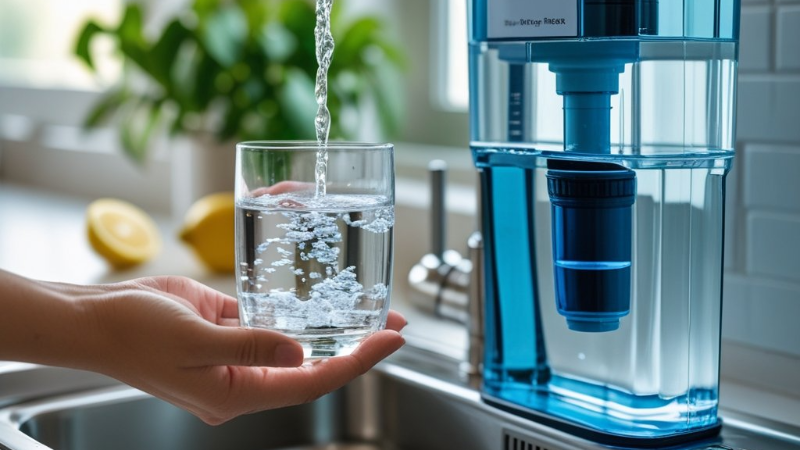
Making Tap Water More Enjoyable Without Overcomplicating It
There’s a particular kind of disappointment that comes from filling a glass of water at home and realizing it doesn’t taste quite…
Open resource →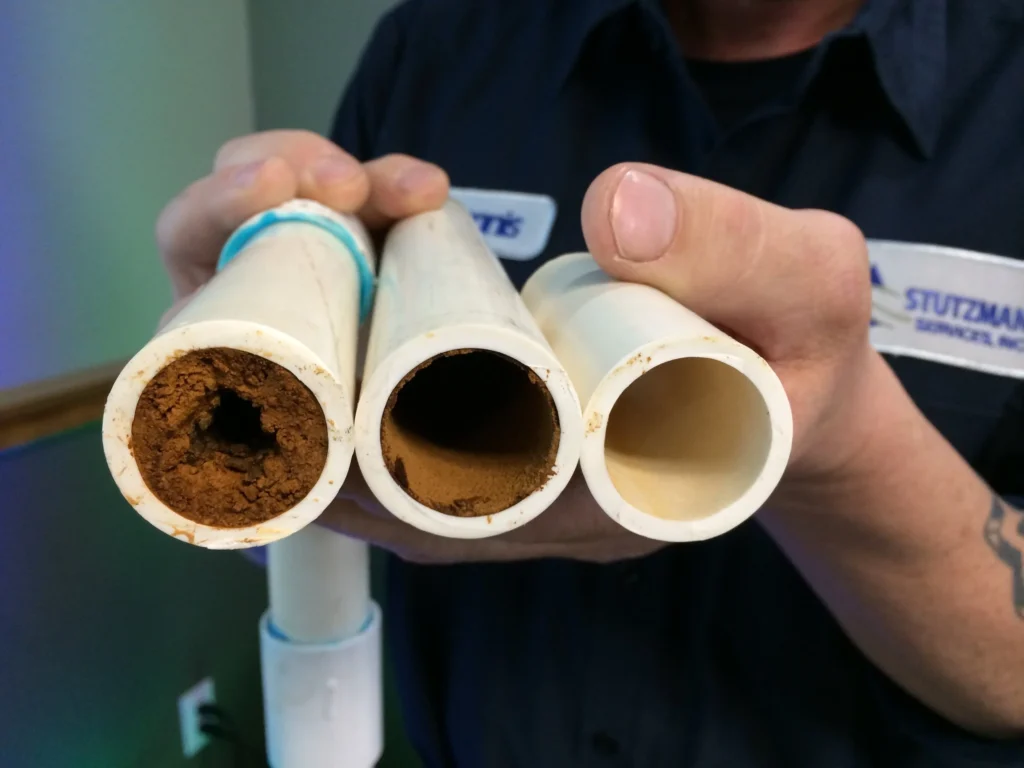
Understanding Iron, Sulfur, and Sediment in Well Water
There’s a funny thing about water: the more ordinary it looks, the less we tend to question it. Fill a glass, hold…
Open resource →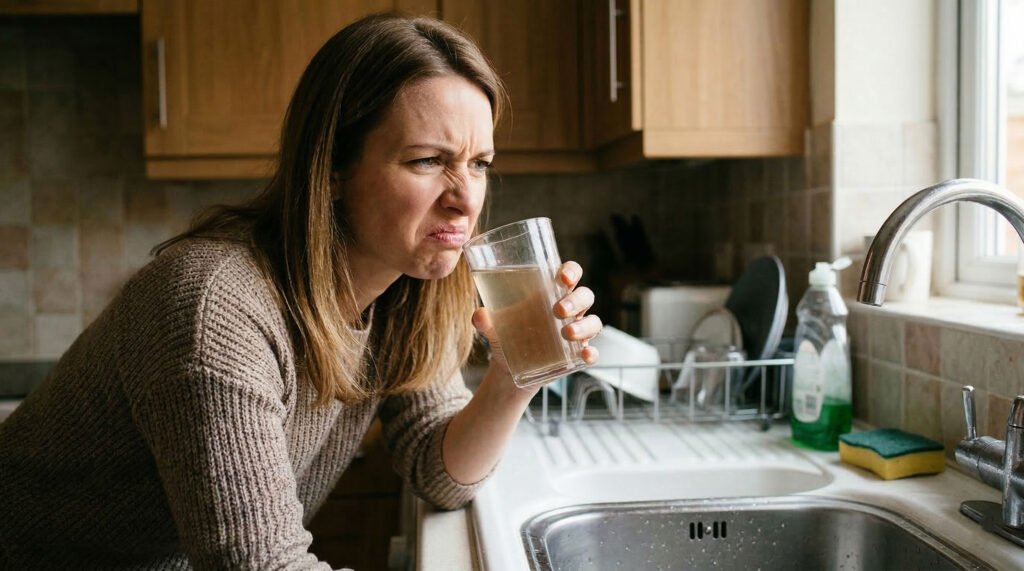
Strange Smells and Cloudy Water: What Your Well Might Be Trying to Tell You
The first time you notice something strange about your water, it’s usually a small moment. You turn on the kitchen faucet and…
Open resource →