
What Your Water Is Telling You: Understanding Taste, Odor, and Common Problems
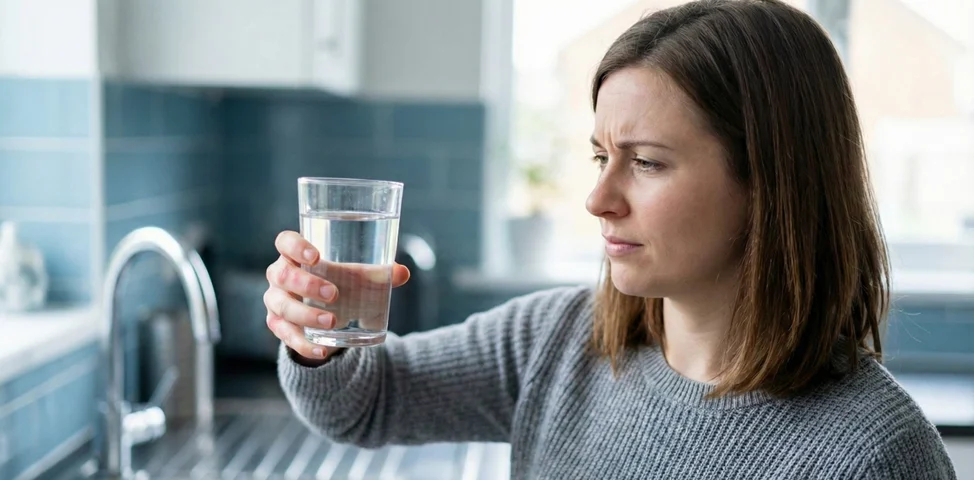
Water is one of those things most of us take for granted. Turn on the tap, fill a glass, and move on with the day. We don’t usually stop to wonder what gives water its taste, why a showerhead develops white deposits, or why one morning the kitchen sink suddenly smells a little strange.
Then something changes, and we notice.
It might be subtle. The coffee doesn’t taste quite right. Your child refuses to drink from the faucet. A glass of water has an unfamiliar smell. Maybe you’re cleaning mineral deposits from the bathroom more often than you used to.
These moments don’t automatically point to a serious water-quality issue. Still, they’re worth paying attention to. Understanding common causes can help homeowners decide when a simple plumbing fix is enough and when testing or treatment makes more sense.
The first step is resisting the urge to guess.
Taste and Odor Can Have Several Causes
Water can taste different for many reasons, and not all of them are related to contamination.
Municipal water may contain disinfectants used during treatment. Plumbing materials can influence taste, especially in older homes. Water that has been sitting in pipes for several hours may taste different from freshly drawn water.
Even temperature matters. Cold water generally tastes fresher than water left sitting at room temperature.
If you notice a change, check whether it happens at every faucet. If the issue occurs at only one fixture, the faucet or aerator could be involved.
A whole-house problem deserves a closer look.
Chlorine Isn’t Necessarily a Bad Sign
The smell people often associate with swimming pools is sometimes connected to chlorine used for water disinfection.
Related resource: Making Tap Water More Enjoyable Without Overcomplicating It
Municipal water providers commonly use disinfectants to control harmful microorganisms as water travels through distribution systems. Some people are more sensitive to the taste or smell than others.
The important distinction is between noticing a disinfectant taste and assuming the water is unsafe.
If the taste is bothersome, treatment options such as activated carbon filtration may help reduce certain taste and odor characteristics. But homeowners should choose treatment based on their actual water conditions rather than simply buying the first filter they see.
Pay Attention to Changing Water Problems
Some water problems develop slowly, while others appear almost overnight.
A gradual reduction in water pressure might indicate a clogged filter or plumbing restriction. New staining could point toward changes in water chemistry. An unusual odor may have a source in the water heater or a specific fixture.
Sudden changes deserve particular attention.
If water that has always looked and tasted normal suddenly changes dramatically, don’t assume it’s just something you’ll get used to. Check with the local water provider if you’re on municipal water, or consider testing if you’re on a private well.
A change is information.
Drinking Water Taste Can Influence Daily Habits
Even when water is technically acceptable, taste can influence whether people actually drink it.
A noticeable drinking water taste can come from disinfectants, dissolved minerals, plumbing, or other characteristics of the supply. Some people describe water as metallic, earthy, salty, or slightly chemical.
Taste alone can’t identify the cause.
If the issue is persistent, testing can help narrow things down. Once you know what’s contributing to the taste, you can consider a treatment method designed for that particular characteristic.
Related resource: Understanding Iron, Sulfur, and Sediment in Well Water
That’s a much better strategy than collecting random filters under the kitchen sink.
Hard Water Leaves Its Own Evidence
Hard water is usually associated with calcium and magnesium.
You may see white spots on dishes, scale around faucets, or deposits on shower glass. Soap may also feel different, and cleaning can become more tedious.
These minerals aren’t necessarily dangerous, but they can be frustrating.
A water softener can reduce hardness by exchanging calcium and magnesium ions for sodium or potassium ions, depending on the system. Other conditioning approaches may be available as well.
The right choice depends on water hardness, household demand, and individual preferences.
Sediment Can Affect More Than Appearance
Sediment is another common concern, particularly in some private well systems.
Particles can collect in faucet aerators, clog filters, or leave visible residue. If sediment levels increase suddenly, it may be worth investigating the source rather than simply changing filters more often.
Sediment filtration is generally straightforward when the problem is clearly identified.
But again, not every filter is designed for every particle size or water condition. Testing and proper system selection matter.
Your Water Heater May Be Part of the Story
Homeowners sometimes blame the entire water supply when the problem is actually limited to hot water.
If an unusual smell or taste occurs only when hot water runs, the water heater deserves attention.
Related resource: Strange Smells and Cloudy Water: What Your Well Might Be Trying to Tell You
Sediment can accumulate inside storage tanks, and temperature-related changes can influence odor or taste. Plumbing connections can also contribute.
Try comparing hot and cold water from the same faucet.
If cold water tastes normal while hot water doesn’t, you’ve already learned something important.
Private Well Owners Need to Stay Informed
A private well provides independence, but it also comes with responsibility.
Unlike municipal supplies, private wells aren’t generally managed by a water utility on behalf of the homeowner. The property owner needs to understand the condition of the water and monitor it appropriately.
Groundwater can contain naturally occurring minerals, iron, sediment, or other characteristics depending on local conditions.
Regular testing can help identify changes before they become obvious household problems.
If you notice a sudden shift in taste, odor, color, or clarity, don’t ignore it.
Testing Gives You a Starting Point
Homeowners often wait until something is obviously wrong before testing their water.
But testing can be useful even when the water simply seems different.
The appropriate analysis depends on the source and concern. A basic evaluation may look at characteristics such as hardness, pH, iron, and other factors, while specific concerns may require more targeted testing.
Related resource: A Closer Look at the Small Details Behind Better Drinking Water
The goal isn’t to test for everything imaginable.
It’s to get useful information that can guide a reasonable decision.
Don’t Buy Treatment Based on Fear
Water-quality marketing can sometimes make ordinary household issues sound terrifying.
Be cautious when a sales pitch relies heavily on fear rather than evidence.
A reputable approach should explain what has been identified, what the proposed treatment is designed to address, and what maintenance the system requires.
Ask questions.
What does the equipment remove or reduce? How often does it need service? What are the replacement costs? Is the system appropriately sized for the home?
You deserve clear answers before spending your money.
Look at the Entire Home
Water doesn’t exist in isolation.
Your treatment system, plumbing, fixtures, appliances, water heater, and water source all interact.
A filter may be working correctly while an old faucet causes an unpleasant taste. A softener may be functioning normally while a separate plumbing issue causes low pressure.
That’s why good troubleshooting looks at the whole picture.
Related resource: What Your Drinking Water Is Telling You About Its Quality
The more accurately you identify the source, the less likely you are to over-treat the problem.
Maintenance Is Part of the Solution
Even a well-designed water treatment system needs attention.
Filters eventually fill with whatever they’re designed to capture. Softeners need proper regeneration and salt management. Other systems may require cleaning, sanitation, or periodic inspection.
Keep track of maintenance dates and don’t ignore small warning signs.
A gradual pressure change, an unusual noise, or a return of taste and odor can be an early indication that something needs attention.
Better Water Starts With Better Decisions
The most useful thing a homeowner can do when water seems unusual is slow down.
Notice the symptoms. Determine whether they’re isolated or widespread. Compare hot and cold water. Consider the source. Test when appropriate.
Then choose treatment based on evidence rather than assumptions.
Water doesn’t have to taste strange, leave constant deposits, or create daily frustration. But solving those issues effectively means understanding what’s actually happening first.
In the end, good water treatment isn’t about having the biggest system or the most impressive technology. It’s about finding a sensible answer to a real household concern.
Once you do that, the reward is wonderfully ordinary: turn on the tap, fill the glass, and don’t have to think twice about it.
Related Posts
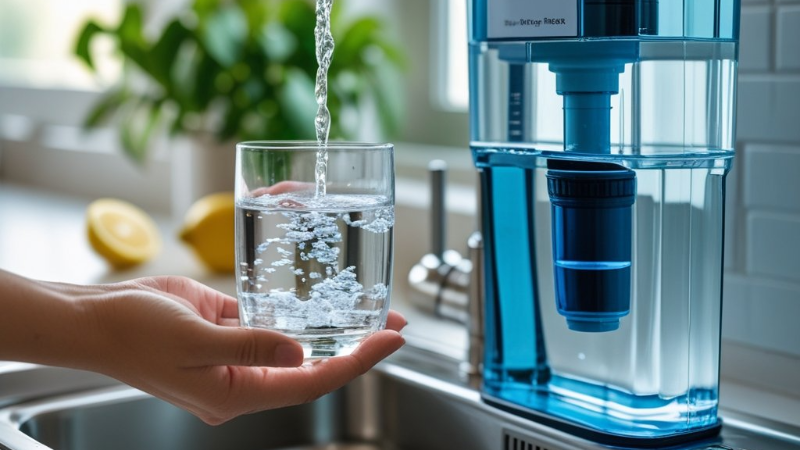
Making Tap Water More Enjoyable Without Overcomplicating It
There’s a particular kind of disappointment that comes from filling a glass of water at home and realizing it doesn’t taste quite…
Open resource →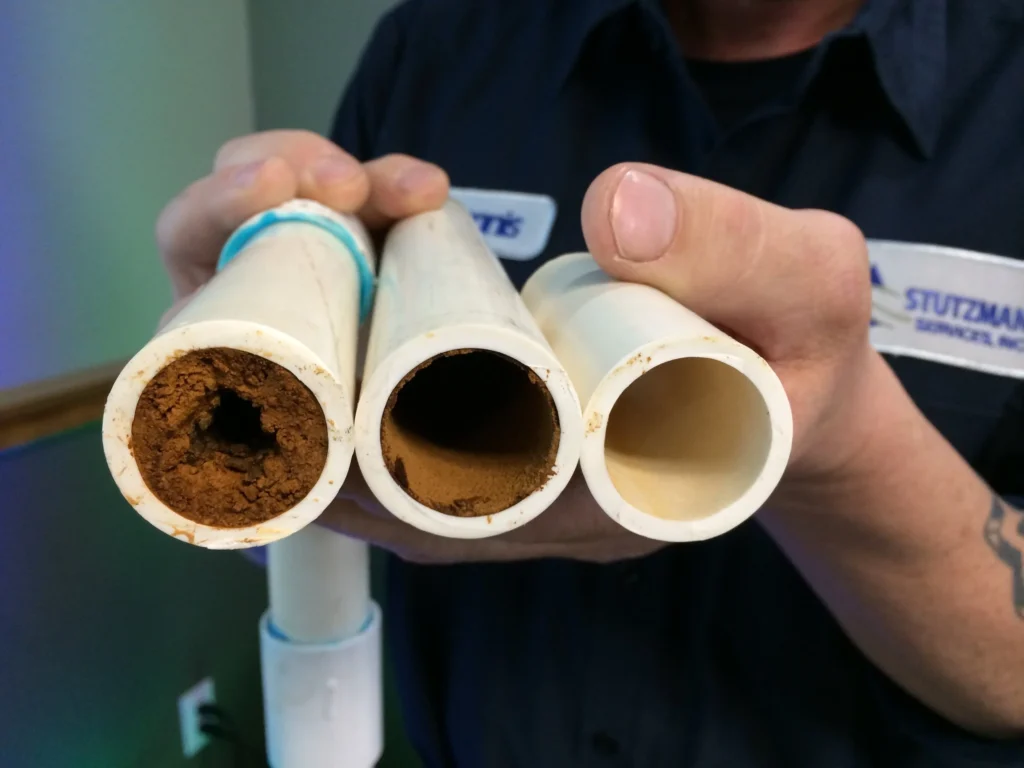
Understanding Iron, Sulfur, and Sediment in Well Water
There’s a funny thing about water: the more ordinary it looks, the less we tend to question it. Fill a glass, hold…
Open resource →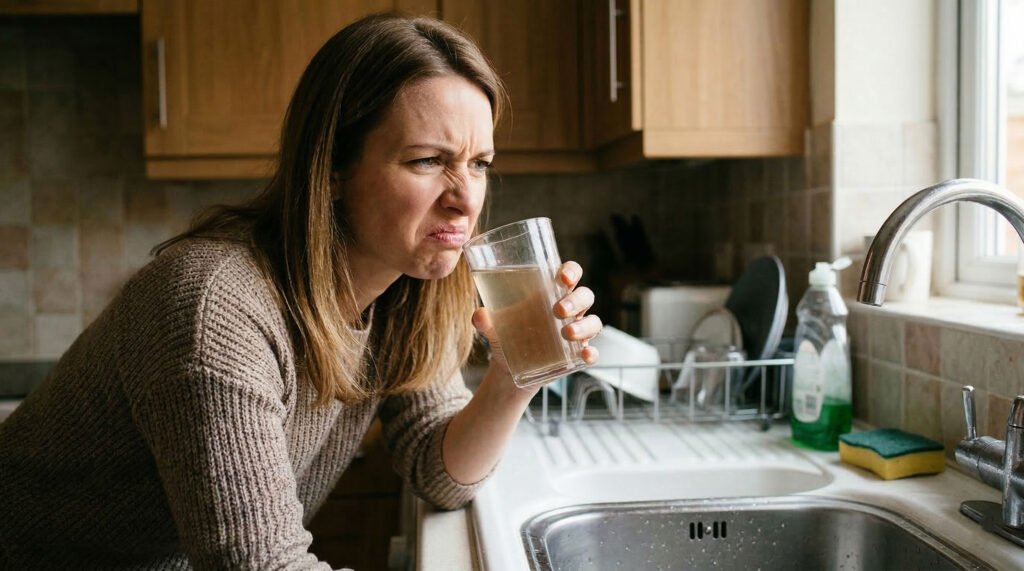
Strange Smells and Cloudy Water: What Your Well Might Be Trying to Tell You
The first time you notice something strange about your water, it’s usually a small moment. You turn on the kitchen faucet and…
Open resource →