
When Water Needs a Little More Attention: Finding the Right Treatment Approach
Water has a funny way of becoming invisible in our daily lives. We turn on a faucet, fill a glass, start the washing machine, and move on. It isn’t until something changes—a rusty stain around the sink, cloudy water after a storm, or an unpleasant smell—that we stop and wonder what’s actually coming through the pipes.
For homeowners dealing with unusual water conditions, the answer isn’t always a bigger filter or another product from the hardware store. Sometimes the better approach is understanding the water first and then choosing treatment equipment around its specific characteristics.
That sounds obvious, but it’s a step people skip surprisingly often.
Every Water Source Has Its Own Personality
Two homes only a few miles apart can have noticeably different water. Municipal systems may vary by source and treatment process, while private wells can be heavily influenced by local geology.
Some households deal mostly with hardness. Others notice sediment, metallic tastes, staining, odors, or combinations of several issues. And occasionally, the water looks perfectly clear while still containing dissolved substances that aren’t visible to the naked eye.
This is why testing is such a useful starting point. A proper water test provides information that guesswork simply can’t.
Once you know what’s happening, you can decide whether you need filtration, softening, disinfection, or another form of treatment—or perhaps a combination.
Related resource: Making Tap Water More Enjoyable Without Overcomplicating It
Why One Treatment Doesn’t Solve Every Problem
Water treatment equipment isn’t a magic box that removes everything.
A softener, for example, is primarily intended to reduce hardness minerals. A sediment filter handles particles. Activated carbon can help with certain taste, odor, and chemical concerns. Other technologies are designed for specific contaminants.
Trying to make one piece of equipment do every job can lead to disappointment.
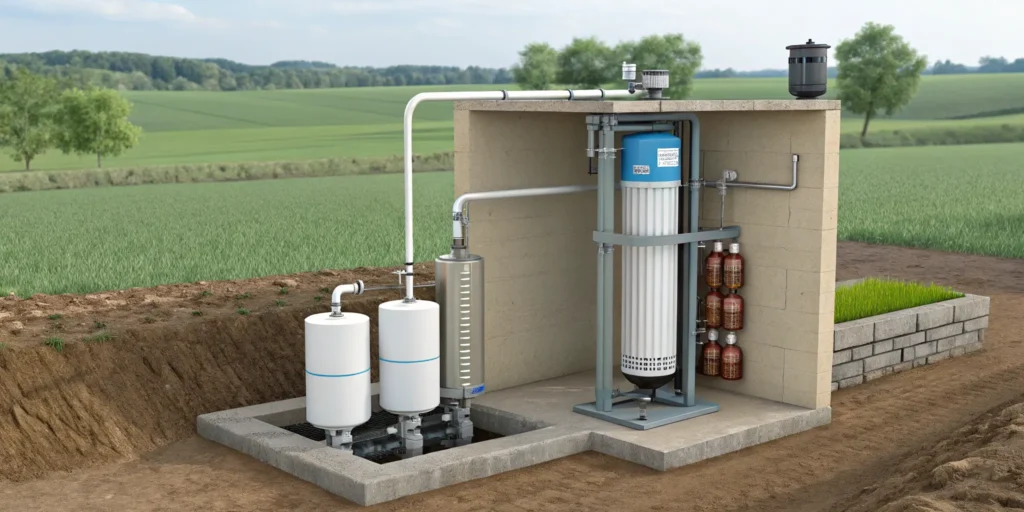
In some homes, customized treatment systems make more sense because the treatment can be built around the actual water conditions. That doesn’t necessarily mean a complicated or expensive installation. It simply means the equipment is selected with a particular purpose instead of being chosen because it happens to be popular.
The goal should always be targeted treatment rather than treatment for treatment’s sake.
Sediment Can Be More Than an Eyesore
If you’ve ever filled a bathtub and noticed tiny particles settling at the bottom, you’ve seen sediment firsthand.
Sediment can come from several sources. Well water may pick up sand or other particles underground, while older plumbing can contribute rust or debris. Construction, maintenance work, or changes in the water supply can also temporarily affect clarity.
A sediment filter can help capture these particles before they travel deeper into the home’s plumbing.
Related resource: Understanding Iron, Sulfur, and Sediment in Well Water
That matters because sediment isn’t only unpleasant to look at. Particles can collect in faucet aerators, clog certain components, interfere with water treatment equipment, and contribute to wear in appliances.
A properly selected prefilter is often a relatively simple way to give the rest of the water treatment system a cleaner starting point.
Iron Leaves a Trail Behind
Iron is another common water concern, especially for private well owners.
The frustrating part is that iron doesn’t always announce itself immediately. Water can come out looking clear and then develop an orange or reddish tint after sitting in a tub or sink. Over time, those minerals can leave stubborn stains on fixtures, laundry, and porcelain surfaces.
Even small amounts can become annoying when they show up everywhere.
Iron treatment depends on the form and concentration present in the water. Some treatment methods work better with dissolved iron, while others are designed for oxidized particles. That’s why testing matters before choosing equipment.
Simply installing a general-purpose filter and hoping it solves an iron problem may not produce the results you’re looking for.
Don’t Forget About Odor
Water that smells like rotten eggs can make even a clean home feel unpleasant. In many cases, the smell is associated with hydrogen sulfide, which can occur in some groundwater sources.
Related resource: Strange Smells and Cloudy Water: What Your Well Might Be Trying to Tell You
Treatment depends on the concentration and the source of the problem. Aeration, oxidation, specialized filtration media, and other approaches may be considered.
There can also be a plumbing-related cause. If an odor appears only at one faucet, the issue may not be coming from the entire water supply.
Pay attention to patterns. Does the smell happen throughout the house? Does it become stronger after the water has been sitting? Is it present only in hot water?
Those little observations can help narrow down what’s going on.
Water Testing Isn’t a One-Time Conversation
It’s easy to think of a water test as something you do once and then forget about forever. But water conditions can change.
Private wells can be influenced by heavy rainfall, flooding, nearby land activity, changes in the well itself, or other environmental factors. Even household plumbing changes can introduce new concerns.
Periodic testing is therefore a sensible habit, particularly when your water source is a private well.
Related resource: A Closer Look at the Small Details Behind Better Drinking Water
If you notice a sudden change in taste, color, odor, or appearance, don’t assume the treatment equipment simply needs another filter. Retesting may reveal that the underlying water conditions have changed.
Proper Sizing Makes a Difference
Even the right treatment technology can perform poorly if the system isn’t sized correctly.
A household with two residents using modest amounts of water has different requirements from a family of six running showers, laundry, and appliances at the same time.
Flow rate matters. So does the concentration of the substance being treated. The system needs to provide enough contact time or filtration capacity to work effectively without creating unnecessary pressure loss.
This is one area where professional evaluation can be useful. Rather than guessing based on the size of your home alone, a technician can consider water usage and test results together.
Maintenance Is Where Good Systems Prove Their Worth
Installing treatment equipment is only half the job.
Filters need to be replaced. Media can eventually become exhausted. Tanks, valves, pumps, and other components may need inspection or servicing. If maintenance is ignored, performance can gradually decline without an obvious warning.
Keep records of filter changes and service visits. It doesn’t need to be complicated—a note on your phone can do the job.
Related resource: What Your Drinking Water Is Telling You About Its Quality
And listen to your water. If something that used to work well suddenly doesn’t, investigate it.
Sometimes the fix is as simple as replacing a filter. Other times, a component has reached the end of its useful life.
The Right Solution Starts With the Right Question
When water quality becomes frustrating, it’s natural to search for a quick fix. But the better question isn’t, “Which filter should I buy?”
It’s, “What is actually in my water, and what am I trying to remove?”
That small change in thinking can save money and prevent a lot of trial and error.
A good treatment strategy begins with testing, continues with appropriately selected equipment, and ends with regular maintenance. Whether the concern is sediment, iron, hardness, odor, or something more specific, the solution should match the problem.
Clean, pleasant water isn’t about having the most complicated equipment in the neighborhood. It’s about understanding your home’s water and giving it the treatment it genuinely needs. Sometimes the smartest solution is also the simplest one—and that’s a pretty good place to start.
Related Posts
Making Tap Water More Enjoyable Without Overcomplicating It
There’s a particular kind of disappointment that comes from filling a glass of water at home and realizing it doesn’t taste quite…
Open resource →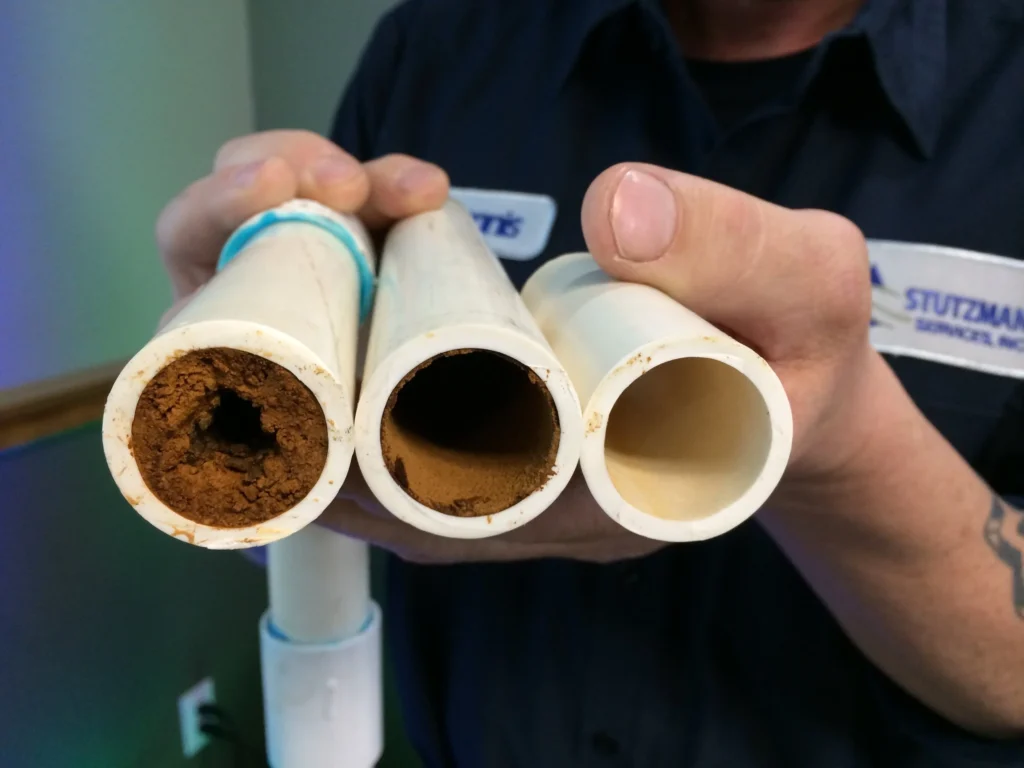
Understanding Iron, Sulfur, and Sediment in Well Water
There’s a funny thing about water: the more ordinary it looks, the less we tend to question it. Fill a glass, hold…
Open resource →
Strange Smells and Cloudy Water: What Your Well Might Be Trying to Tell You
The first time you notice something strange about your water, it’s usually a small moment. You turn on the kitchen faucet and…
Open resource →