
When Your Water Isn’t Quite Right: Finding a Treatment Approach That Fits

Water is one of those things you don’t really notice until it starts causing trouble. A strange smell comes from the faucet. White buildup appears around the showerhead. Laundry feels different. Maybe there’s a rusty stain in the sink that wasn’t there a few months ago.
None of these things necessarily means something is seriously wrong. But they can be signs that your water deserves a closer look.
The hard part is figuring out what to do next. There are softeners, filters, reverse osmosis units, sediment systems, UV treatment, and plenty of other options. It can feel like walking into a hardware store for one screwdriver and leaving with a toolbox you didn’t plan to buy.
A smarter approach starts with the water itself.
Don’t Guess What the Problem Is
Before choosing equipment, identify what you’re actually trying to fix.
Is the water hard? Does it have an unusual taste or smell? Are there visible particles? Do you have a private well? Has a water test identified a particular contaminant?
These questions matter because different water-quality problems require different treatment methods.
The phrase problem water solutions sounds broad, and that’s exactly the point. There isn’t one universal system that can solve every water issue in every home. Treatment works best when the equipment is matched to the conditions you’re dealing with.
A simple water test can often make the conversation much clearer.
Related resource: Making Tap Water More Enjoyable Without Overcomplicating It
Look Beyond What You Can See
Clear water can still contain dissolved substances that aren’t visible. Likewise, cloudy water isn’t automatically dangerous; sometimes suspended air bubbles are responsible.
That’s why appearance is only one small part of understanding water quality.
Testing can provide information about hardness, minerals, acidity, certain contaminants, and other characteristics depending on the test being performed.
For homeowners using private wells, regular testing can be especially important. Unlike a centralized municipal supply, a private well is directly connected to the conditions around the property and the local groundwater.
And groundwater can change.
Well Water Has Its Own Personality
Anyone who has lived with well water knows it can have quirks. One home may deal with iron staining. Another might have sulfur odors. Somewhere else, sediment or hardness could be the main frustration.
There isn’t a single “well water problem.”
Effective well water treatment starts by understanding what is actually in the water. Testing can help identify the specific issues and determine which treatment methods are appropriate.
For example, sediment filtration may be useful when particles are present. Iron treatment may be needed when staining is persistent. UV systems can be considered for certain microbiological concerns, while reverse osmosis can provide additional treatment for drinking water when appropriate.
Related resource: Understanding Iron, Sulfur, and Sediment in Well Water
The right combination depends on the water, not simply the fact that it comes from a well.
Hard Water Can Wear on a Household
Hard water is another common issue that tends to reveal itself slowly.
At first, it’s just a few spots on the faucet. Then the showerhead needs cleaning more often. Soap doesn’t seem to rinse quite the same way. Eventually, appliances such as water heaters and dishwashers may accumulate mineral scale.
Hardness itself is generally associated with dissolved calcium and magnesium.
A water softener can reduce hardness and may make everyday cleaning easier. But it’s important to understand what a softener does — and what it doesn’t do.
It isn’t a universal purifier. If you’re concerned about a specific contaminant, you may need a separate treatment method designed for that substance.
Drinking Water May Need a Different Approach
Whole-house treatment and drinking-water treatment don’t always have to be the same thing.
If your primary concern is taste, odor, or specific dissolved contaminants in drinking water, a point-of-use system may make more sense than treating every gallon entering the property.
Reverse osmosis is one example. These systems use a semipermeable membrane and can reduce a range of dissolved substances, depending on the equipment and incoming water quality.
They’re commonly installed beneath the kitchen sink and connected to a dedicated faucet.
Related resource: Strange Smells and Cloudy Water: What Your Well Might Be Trying to Tell You
For many households, that setup offers a practical balance: treat drinking and cooking water more extensively while keeping whole-home treatment focused on the issues that affect showers, laundry, plumbing, and appliances.
Businesses Have Different Water Demands
A restaurant, hotel, office building, manufacturing facility, or healthcare property can’t necessarily approach water treatment the same way a single-family home does.
Water demand can be much higher, and equipment may operate for longer periods. A treatment failure can also affect operations, equipment, sanitation procedures, or customer experience.
That’s where commercial water treatment and maintenance becomes particularly important.
Commercial systems often require planned maintenance rather than waiting until something breaks. Filters, membranes, valves, tanks, pumps, and other components may need regular inspection depending on the system.
Preventive maintenance isn’t exciting. Nobody puts it on their calendar with enthusiasm.
Still, it’s usually easier to replace a component during scheduled service than to deal with an unexpected system failure in the middle of a busy workday.
Size and Capacity Matter
Whether you’re treating residential or commercial water, system capacity deserves attention.
A system that’s too small may struggle during periods of heavy use. An oversized system can cost more than necessary and may not operate as efficiently as expected.
Related resource: A Closer Look at the Small Details Behind Better Drinking Water
Household size, peak water demand, incoming water conditions, and the treatment method should all be considered during system selection.
For commercial properties, the calculation can be even more involved because water usage may fluctuate throughout the day.
Good sizing isn’t about buying the biggest equipment. It’s about matching capacity to actual demand.
Maintenance Shouldn’t Be an Afterthought
Even excellent equipment needs care.
Filters eventually fill up. Membranes can lose performance. Salt-based softeners need supplies. Mechanical components can wear down. Connections and valves may require inspection.
A neglected system can gradually perform below expectations, and homeowners sometimes assume the equipment itself has failed when the real issue is simply overdue maintenance.
Keep track of service dates and replacement intervals. If you’re unsure what your system needs, check the manufacturer’s recommendations or speak with a qualified service professional.
A few minutes of planning can prevent a surprisingly large headache.
Pay Attention to Changes
Water quality doesn’t necessarily remain constant.
Related resource: What Your Drinking Water Is Telling You About Its Quality
If your water suddenly smells different, becomes cloudy, develops staining, or starts leaving more scale than usual, don’t automatically assume it’s just a temporary annoyance.
For well owners especially, changes can sometimes justify additional testing.
The same principle applies to businesses. If a commercial treatment system starts using more consumables, showing pressure changes, or producing different water quality, those signs deserve attention before they turn into operational problems.
The Best Solution Starts With Understanding
Good water treatment isn’t about collecting as many pieces of equipment as possible.
It’s about solving the right problem.
Start with the water source. Test when appropriate. Identify the specific issue. Think about where the treated water will be used, how much water your household or business consumes, and what maintenance the system will require.
Then choose treatment accordingly.
Sometimes the answer is straightforward. Sometimes it takes a combination of technologies. Either way, informed decisions tend to work better than guesswork.
Water should make daily life easier, not become another thing you constantly have to work around. Once you understand what’s happening in your water and why, finding a sensible treatment approach becomes much less overwhelming — and a whole lot more practical.
Related Posts
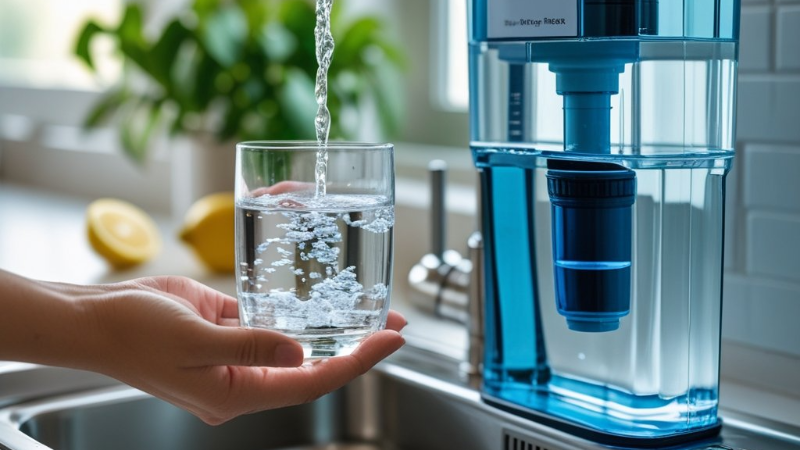
Making Tap Water More Enjoyable Without Overcomplicating It
There’s a particular kind of disappointment that comes from filling a glass of water at home and realizing it doesn’t taste quite…
Open resource →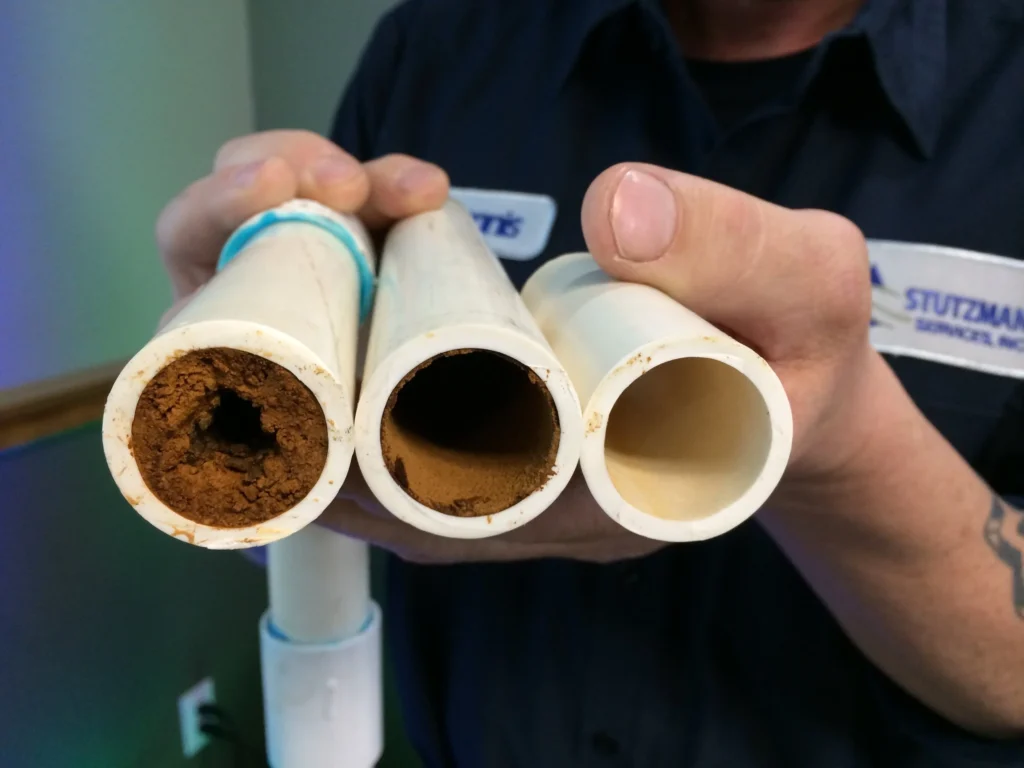
Understanding Iron, Sulfur, and Sediment in Well Water
There’s a funny thing about water: the more ordinary it looks, the less we tend to question it. Fill a glass, hold…
Open resource →
Strange Smells and Cloudy Water: What Your Well Might Be Trying to Tell You
The first time you notice something strange about your water, it’s usually a small moment. You turn on the kitchen faucet and…
Open resource →