
Better Water Begins With Understanding Your Home’s Water Quality
Most of us turn on a tap without giving it much thought. We fill a glass, rinse vegetables, start the washing machine, and carry on with the day. Water is one of those everyday essentials that tends to go unnoticed until something feels off. Maybe your kettle keeps collecting white mineral deposits, your shower leaves your skin feeling dry, or the water has a strange taste you can’t quite explain.
These little frustrations can be signs that your home’s water quality deserves a closer look. Fortunately, finding a solution doesn’t have to involve guesswork or buying the most expensive equipment available. A sensible approach starts with understanding your water, identifying what needs attention, and choosing a treatment option that genuinely suits your household.
Why Your Water Quality Deserves Attention
Water quality can vary considerably from one property to another, even within the same neighborhood. The source matters, of course, but so do local geology, plumbing materials, treatment processes, and the condition of pipes within a building.
Hard water is a common concern. It contains elevated levels of minerals, particularly calcium and magnesium, which can leave spots on glassware, build up inside appliances, and make soap less effective. Iron may cause reddish stains around sinks and toilets, while certain compounds can create unpleasant odors.
Some concerns are less obvious. Water can look clear and still contain contaminants that require attention, so appearance alone isn’t a reliable measure of safety. If you’re using a private well, regular testing is especially important because the water may not be covered by the routine monitoring associated with a regulated public supply.
Related resource: Finding the Right Drinking Water Solution for Your Home or Business
Understanding the difference between an inconvenience and a potential health concern helps you decide what to do next. Mineral deposits might call for a softening solution, while a confirmed contaminant could require a filter or treatment method specifically designed to reduce it.
Start With a Water Test, Not a Sales Pitch
It’s tempting to buy a filter as soon as something seems unusual. But before spending money, it’s worth finding out what’s actually in your water.
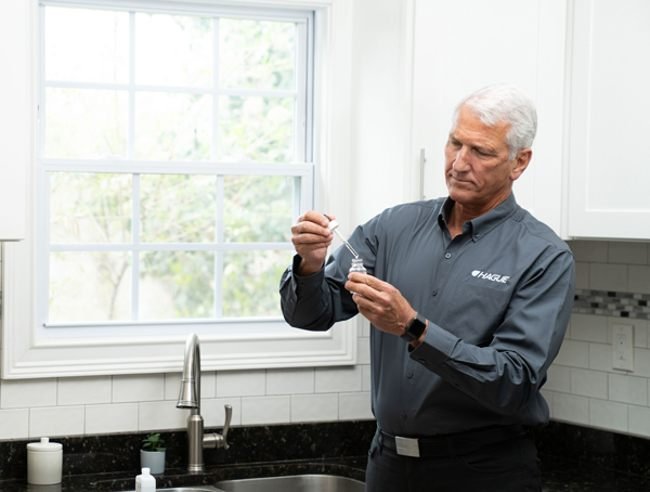
A free water test offered by a reputable provider can be a useful starting point, particularly when you’re unsure whether hardness, iron, or another common issue is affecting your home. Ask what the test measures, how the sample is collected, and whether the results come with a clear explanation. Not every basic screening checks for every contaminant, so don’t assume a simple test proves that water is safe in every respect.
For health-related concerns, use an appropriately accredited laboratory and choose tests based on your water source and possible exposure risks. Private well owners may need testing for bacteria, nitrates, and locally relevant contaminants. If you suspect lead from older plumbing, for instance, a test designed to assess lead is more useful than a general hardness check.
The point isn’t to become a water-quality specialist overnight. It’s to gather enough reliable information to make a sound decision. A few well-chosen tests can prevent you from paying for equipment that solves the wrong problem.
Finding the Right Treatment for Your Household
Once you understand the issue, choosing equipment becomes much easier. Different systems serve different purposes, and that distinction matters more than an impressive product description.
Related resource: Cleaner Water at Home Starts With Choosing the Right Filtration System
Water softeners are commonly used to reduce hardness minerals. Traditional salt-based systems exchange calcium and magnesium ions for sodium or potassium ions, helping reduce mineral scale in plumbing and appliances. They can make cleaning easier and improve the feel of water during bathing, although they don’t remove every type of contaminant.
For drinking water, activated carbon filters can improve taste and odor, including chlorine-related flavors when the filter is designed for that purpose. Reverse osmosis systems use a semipermeable membrane to reduce many dissolved substances, depending on the model and its verified performance. They’re often installed under the kitchen sink, making them a practical choice for households that want specialized treatment at one tap.
Whole-home filtration may be worth considering when sediment or another treatable issue affects multiple fixtures. On the other hand, a small point-of-use filter may be all you need if the main concern is the taste of drinking water.
Before choosing, check the product’s independent certifications and the specific contaminants it claims to reduce. No single system removes everything, and a filter designed for one purpose shouldn’t be expected to solve an unrelated problem.
Why Professional Guidance Can Make a Difference
Water treatment products can look remarkably similar on paper. Two systems might advertise cleaner water, yet differ in capacity, operating costs, maintenance requirements, and the substances they can effectively reduce.
This is where expert advice can save time and money. A knowledgeable professional should explain your test results, outline suitable options, and tell you honestly when a simpler solution is enough. They should also be willing to discuss limitations rather than making sweeping promises about water purity.
Related resource: Creating Better Commercial Spaces Starts With the Details Behind the Walls
Ask practical questions. Will the system affect water pressure? How often will its filters need replacing? Does installation require changes to existing plumbing? Are replacement parts readily available? If a softener is being recommended, find out whether your household’s measured hardness justifies it and how much maintenance it will require.
Be wary of high-pressure sales tactics, especially if someone insists that you must purchase a costly system immediately. Water treatment is an important decision, but it rarely benefits from rushed choices. A trustworthy provider gives you room to compare options and understand what you’re paying for.
Look Beyond the Initial Price
The purchase price tells only part of the story. A system that appears affordable upfront may involve expensive replacement cartridges, specialist servicing, or substantial water use over time. Another model may cost a little more initially but prove easier to maintain.
When comparing estimates, ask for a breakdown of installation, equipment, replacement parts, and routine service. Check the warranty conditions and clarify whether labor is included. It’s also sensible to confirm how long the equipment is expected to last under normal household use.
Your home’s water consumption matters, too. A large family may need a higher-capacity system than a single person living in a small apartment. Buying equipment that’s poorly matched to your needs can lead to unnecessary expense or disappointing performance.
Related resource: Making Tap Water More Enjoyable Without Overcomplicating It
You don’t need to chase every premium feature. Focus on the functions that address your actual concerns, and consider the long-term cost before making a commitment.
Learn From Other Homeowners, But Check the Details
Reviews can offer useful insight into how a water treatment system performs in everyday life. People often mention details that product brochures overlook, such as how easy it is to replace a cartridge, whether customer support responds promptly, or how complicated the installation turns out to be.
Reading feedback from real customers can help you build a clearer picture of the ownership experience. Look for reviews that describe a similar water problem and household setup. Someone dealing with extremely hard well water may have very different needs from a homeowner who simply wants better-tasting tap water.
Still, treat online reviews as one piece of the puzzle. A positive rating doesn’t prove that a system removes a particular contaminant, and a disappointing review may reflect poor installation rather than defective equipment. Technical claims should be checked against reliable testing information and appropriate certifications.
Small Maintenance Habits Keep Systems Working
Even good equipment needs attention. Filters eventually reach their rated capacity, membranes require replacement, and softeners may need salt replenishment or periodic servicing. Ignoring these tasks can reduce performance and leave you uncertain about the quality of the treated water.
Follow the manufacturer’s maintenance schedule and keep a simple record of replacements. If your system is designed to reduce a specific contaminant, follow any recommended follow-up testing rather than assuming the equipment will work perfectly forever.
Related resource: Understanding Iron, Sulfur, and Sediment in Well Water
If your water suddenly changes in taste, color, or smell, investigate the cause instead of automatically replacing the filter. The issue could come from plumbing work, a change in the supply, or a problem that requires a different response.
Make a Confident Choice for Better Water
Good water treatment begins with asking the right questions. Find out what’s in your water, decide which problems matter most, and compare solutions that are proven to address those concerns. Consider installation, maintenance, and ongoing costs alongside the initial price.
Most homes don’t need a complicated collection of equipment. They need a solution that fits their water quality, daily habits, and budget. With reliable test results, sensible comparisons, and support from a trustworthy provider, you can make that choice without feeling overwhelmed.
In the end, the goal is simple: water you can use with confidence, equipment you understand, and fewer unpleasant surprises along the way. That’s a worthwhile improvement for any home.
Related Posts
Finding the Right Drinking Water Solution for Your Home or Business
Good drinking water is easy to take for granted. We fill a bottle before leaving home, make a cup of tea in…
Open resource →
Cleaner Water at Home Starts With Choosing the Right Filtration System
Water is one of those things we rarely think about until something seems wrong. Perhaps your tap water has an unusual taste,…
Open resource →
Creating Better Commercial Spaces Starts With the Details Behind the Walls
A commercial space has to do more than look good. It needs to support people, equipment, daily operations, and the little routines…
Open resource →